What to look for when buying land in a new estate
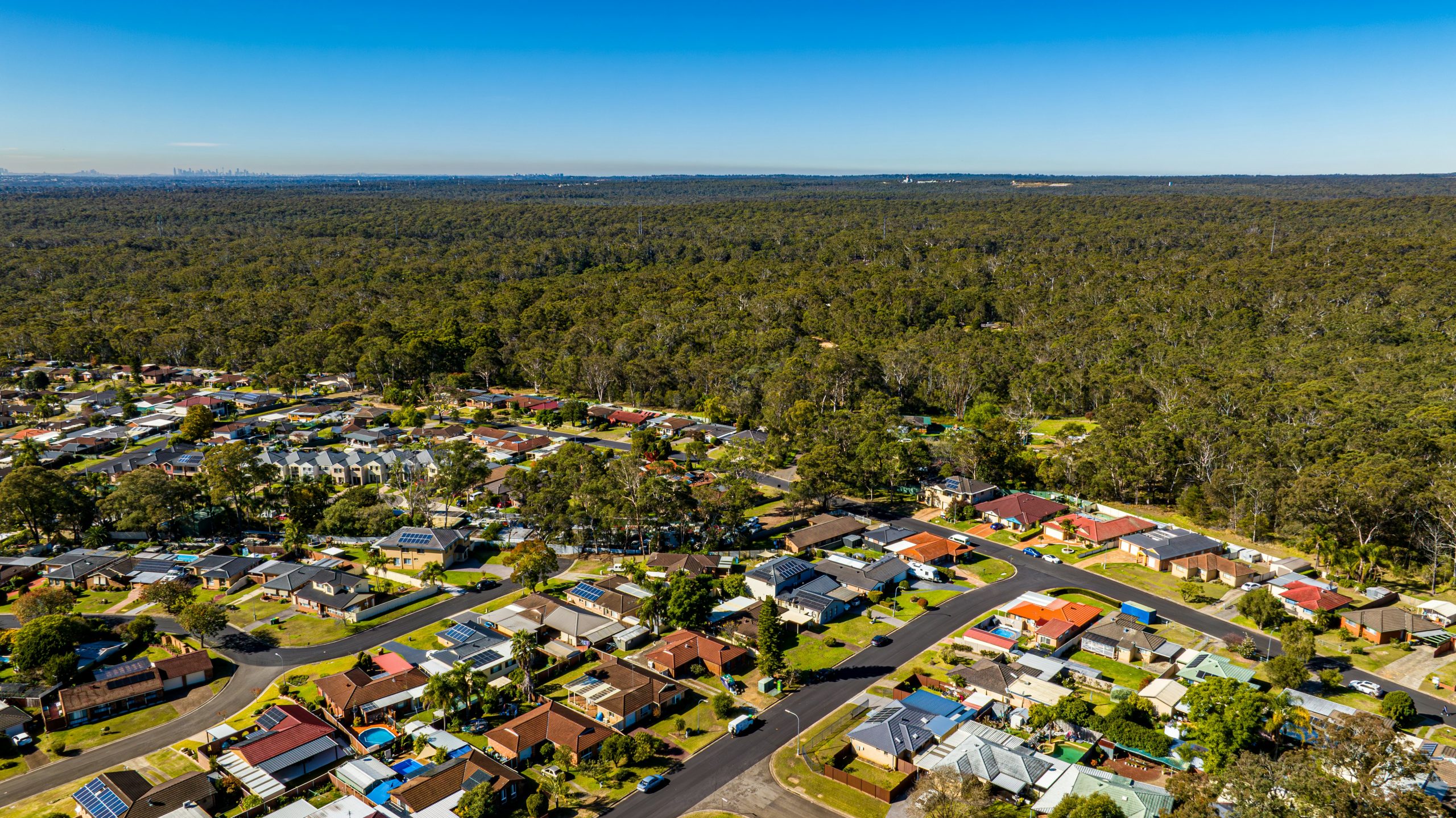
Buying land in a new estate can give you access to new homes, growing communities and areas that are being planned with parks, schools, shops and other amenities in mind.
But choosing the right estate is about more than finding a block within your budget. You also need to think about the location, what is already there, what is still planned, the land itself and whether the home you want can actually be built on it.
If you are buying land for the first time, here is what is worth checking before you commit.
Start with the location
Before comparing individual blocks, make sure the broader location works for your everyday life.
Think about where you will need to travel regularly, including:
A location might look close on a map, but the journey you actually make each week matters more than the distance alone.
If your commute is important, try the trip at the time you would normally travel. Twenty kilometres at 11 am can be a very different journey at 8 am.
Check what is there now, not just what is planned
New estates often promote future schools, shops, town centres, parks and transport connections. Those plans can be part of the appeal, but they are not necessarily things you will have access to when you first move in.
Look at what is already open and operating, including supermarkets, schools, childcare, healthcare, public transport, parks and other services you expect to use regularly.
Then look separately at what is planned.
If an amenity is important to your decision, find out whether it is confirmed, when it is expected to open and who is responsible for delivering it.
A future town centre sounds great. It is slightly less useful when you need milk on move-in day.
Look at the estate masterplan
The masterplan can tell you much more than the location of your block.
Check what is planned around it, including:
Think about what you would like nearby and what you might prefer a little further away.
Being opposite a park could be a big plus. Being beside what eventually becomes one of the estate’s main through-roads might feel quite different.
Look at who is developing the estate
It is also worth researching the developer behind the community.
Have a look at other estates they have delivered and, if possible, visit one that has been established for a while. This can give you a better idea of how the streets, landscaping, parks and shared spaces look once the development is no longer brand new.
You can also ask which parts of the masterplan are confirmed, which are still proposed and when major infrastructure is expected to be delivered.
You are not trying to become an expert on property development. You are simply checking that the community you are buying into lines up with what you think you are getting.
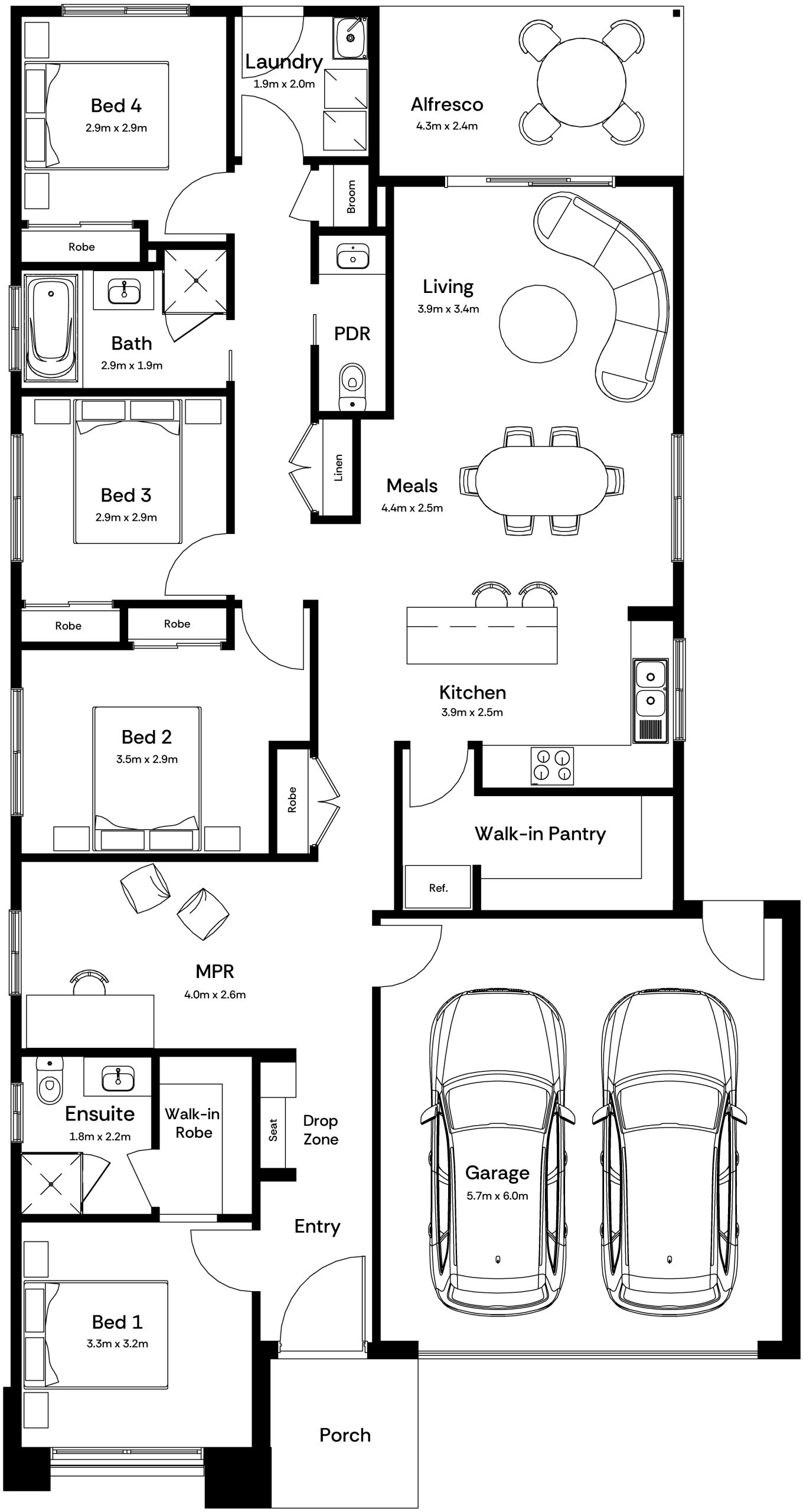
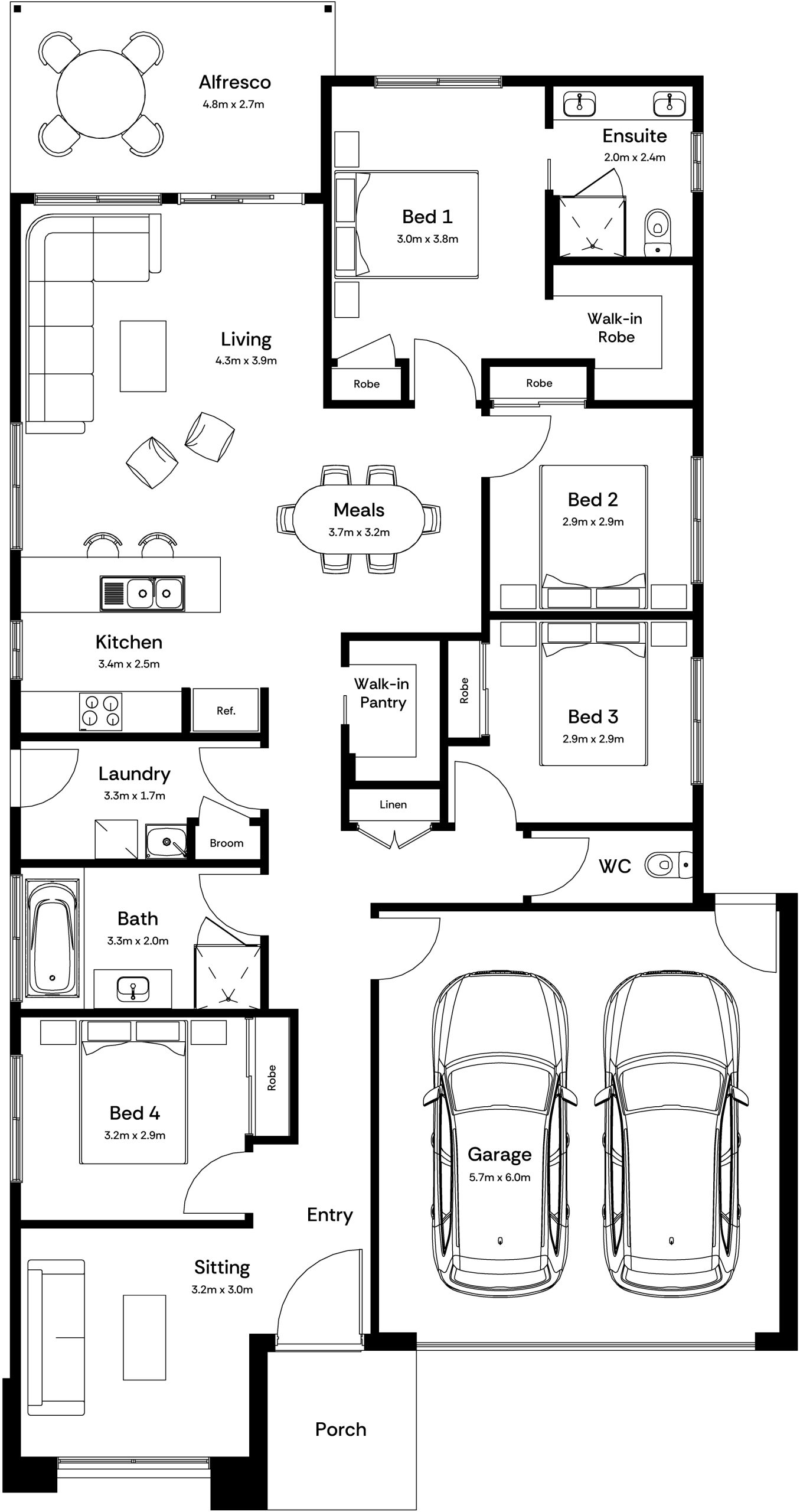
Make sure the block suits the home
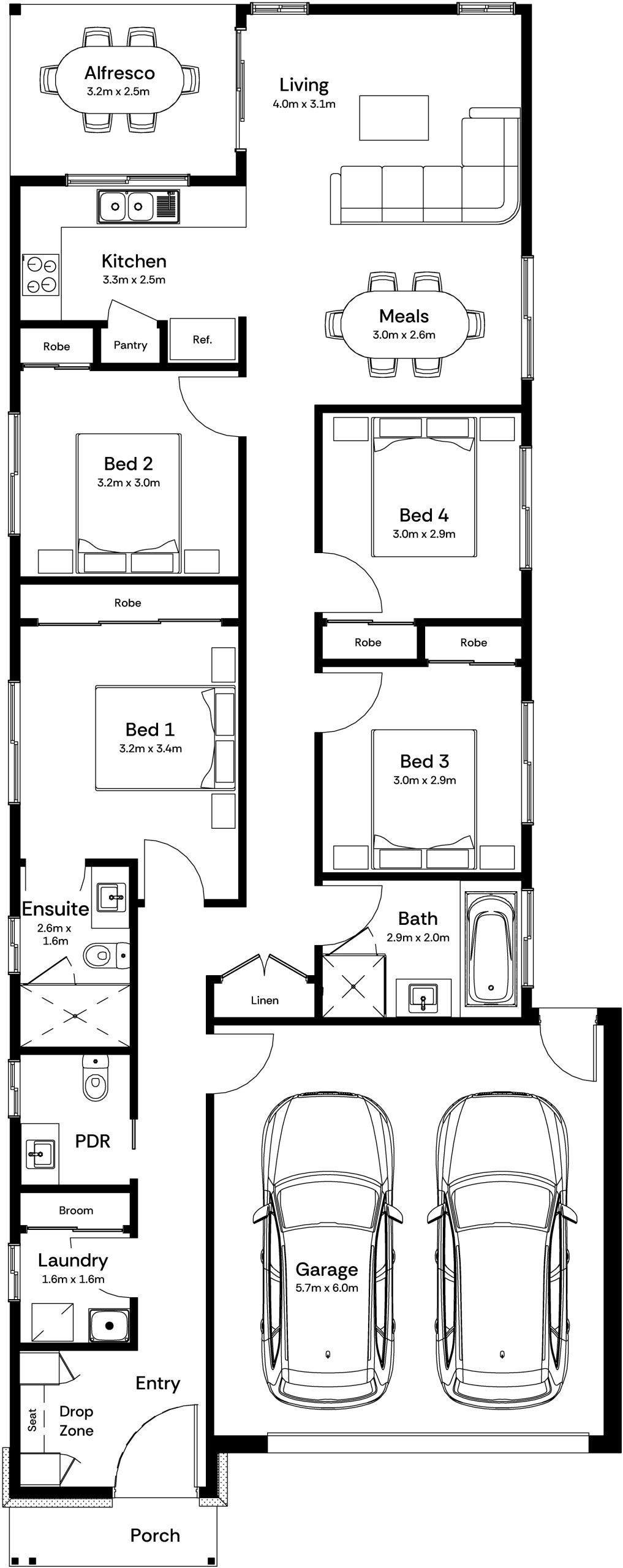
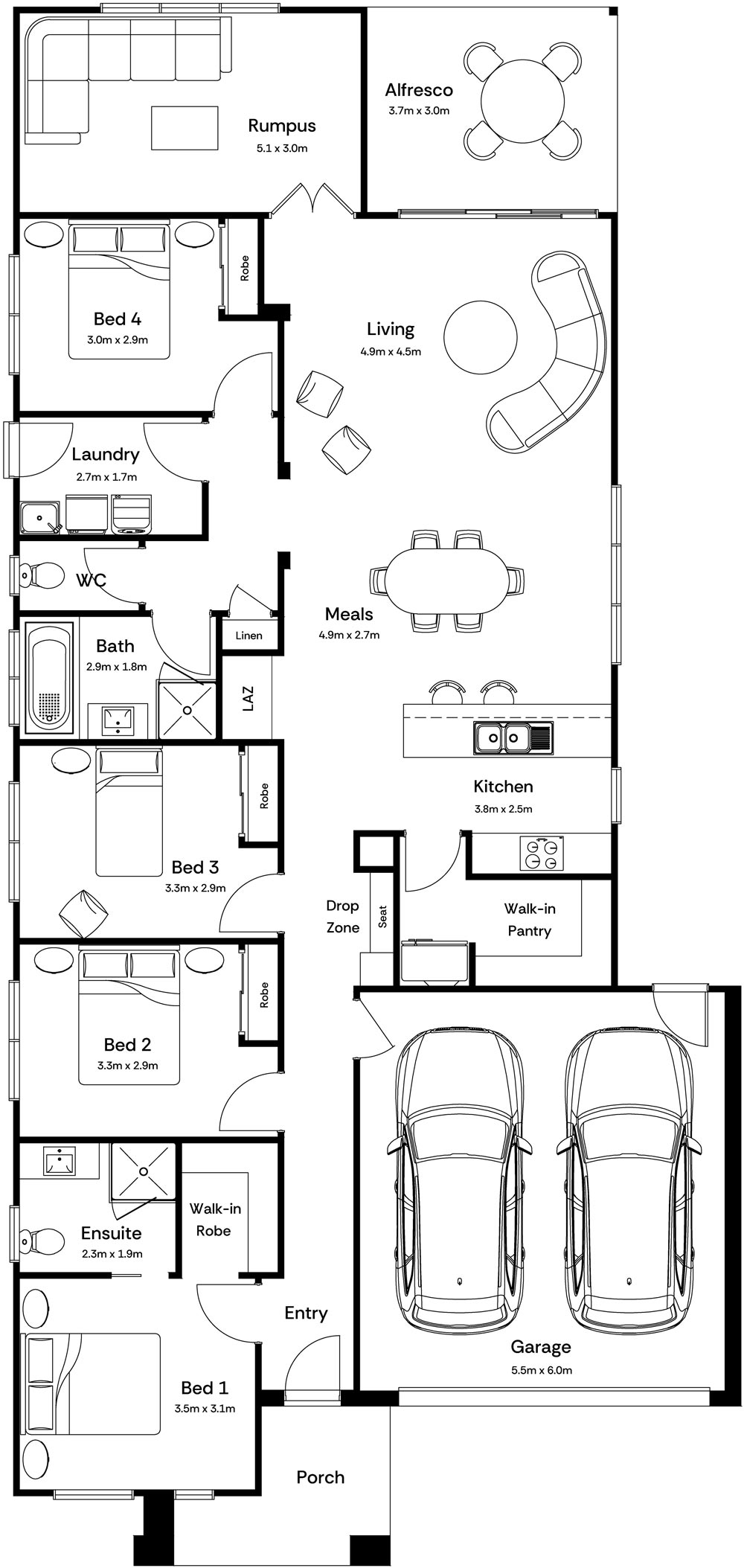
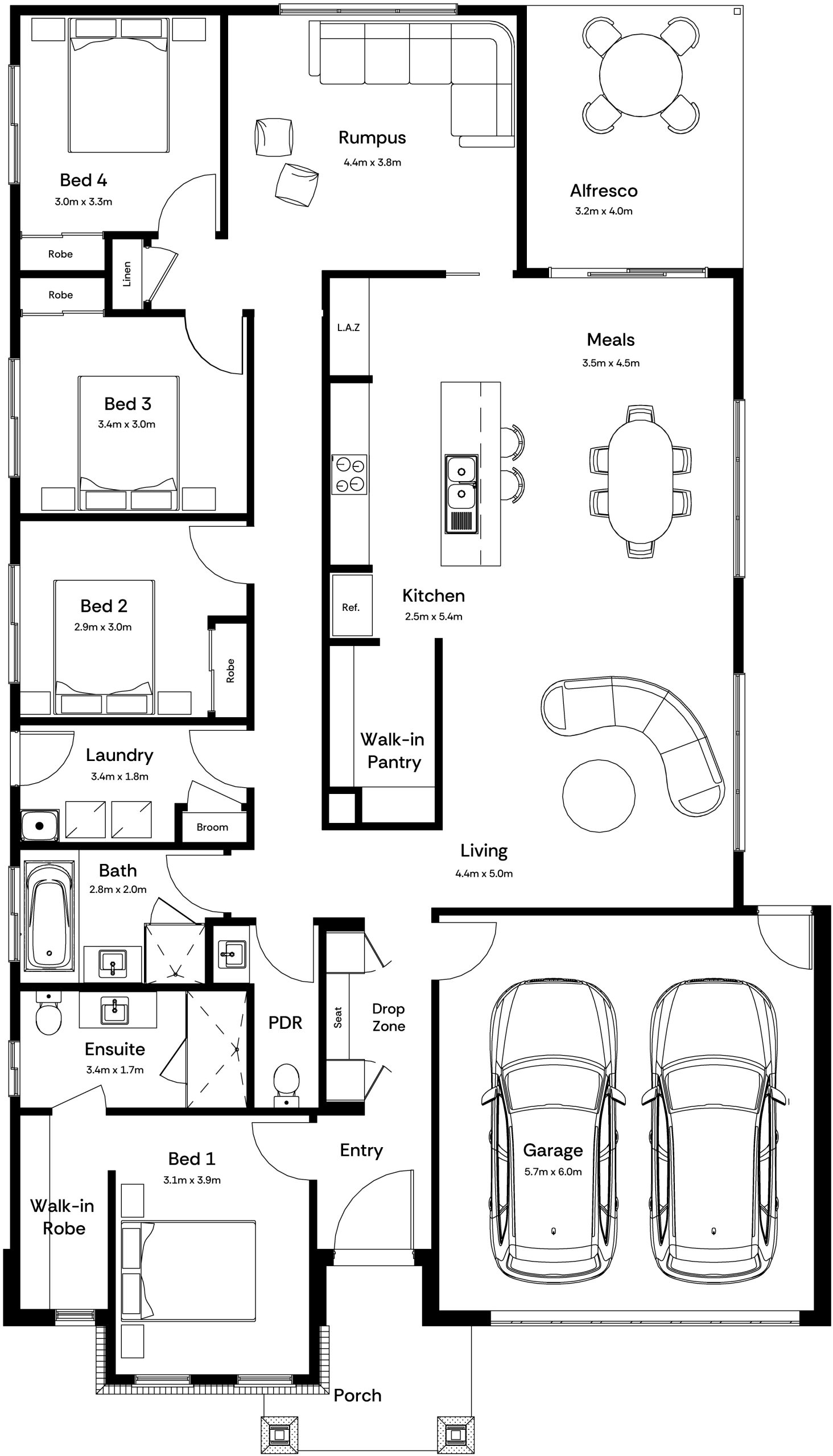
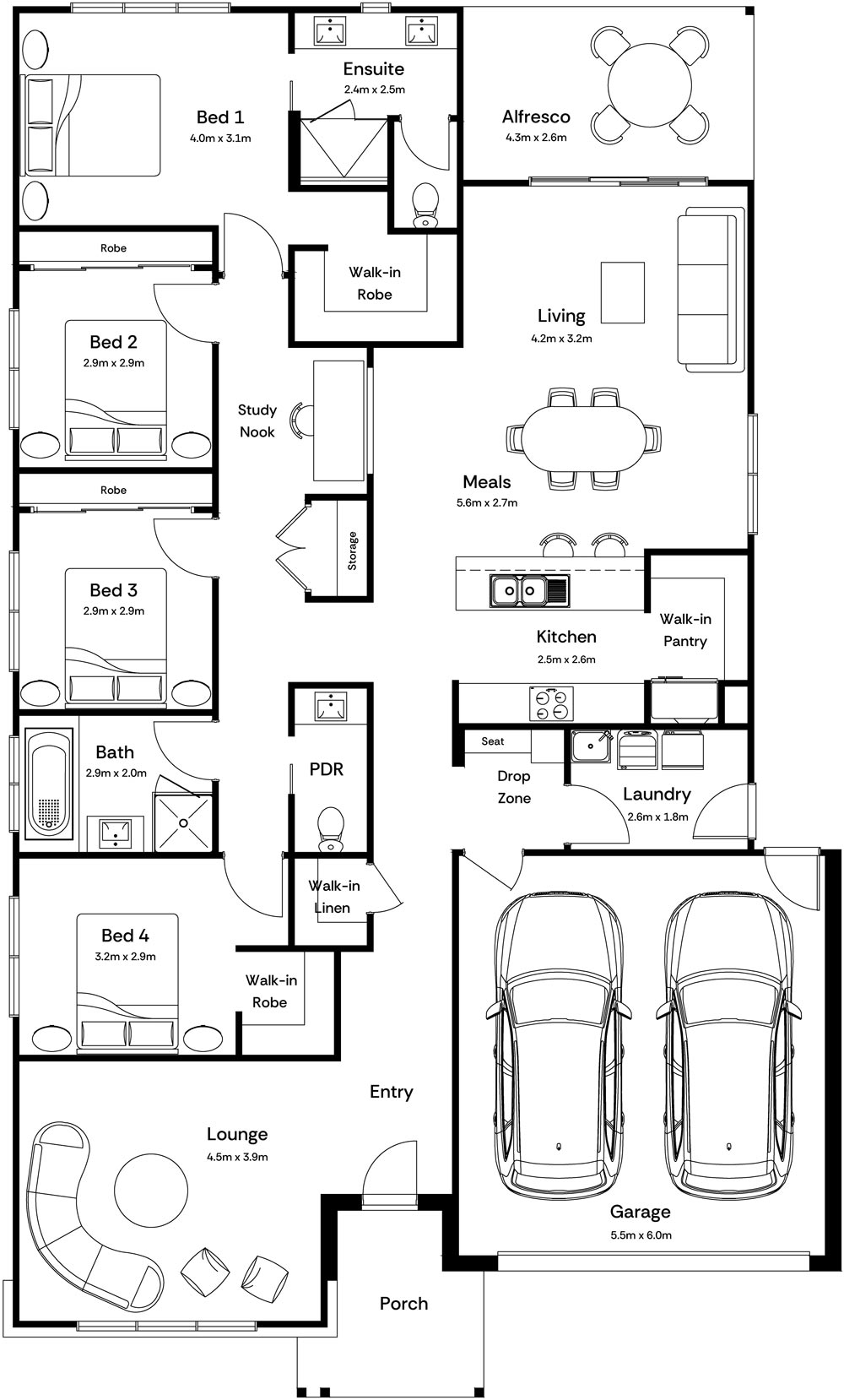
Finding land at the right price is only useful if you can build the home you want on it.
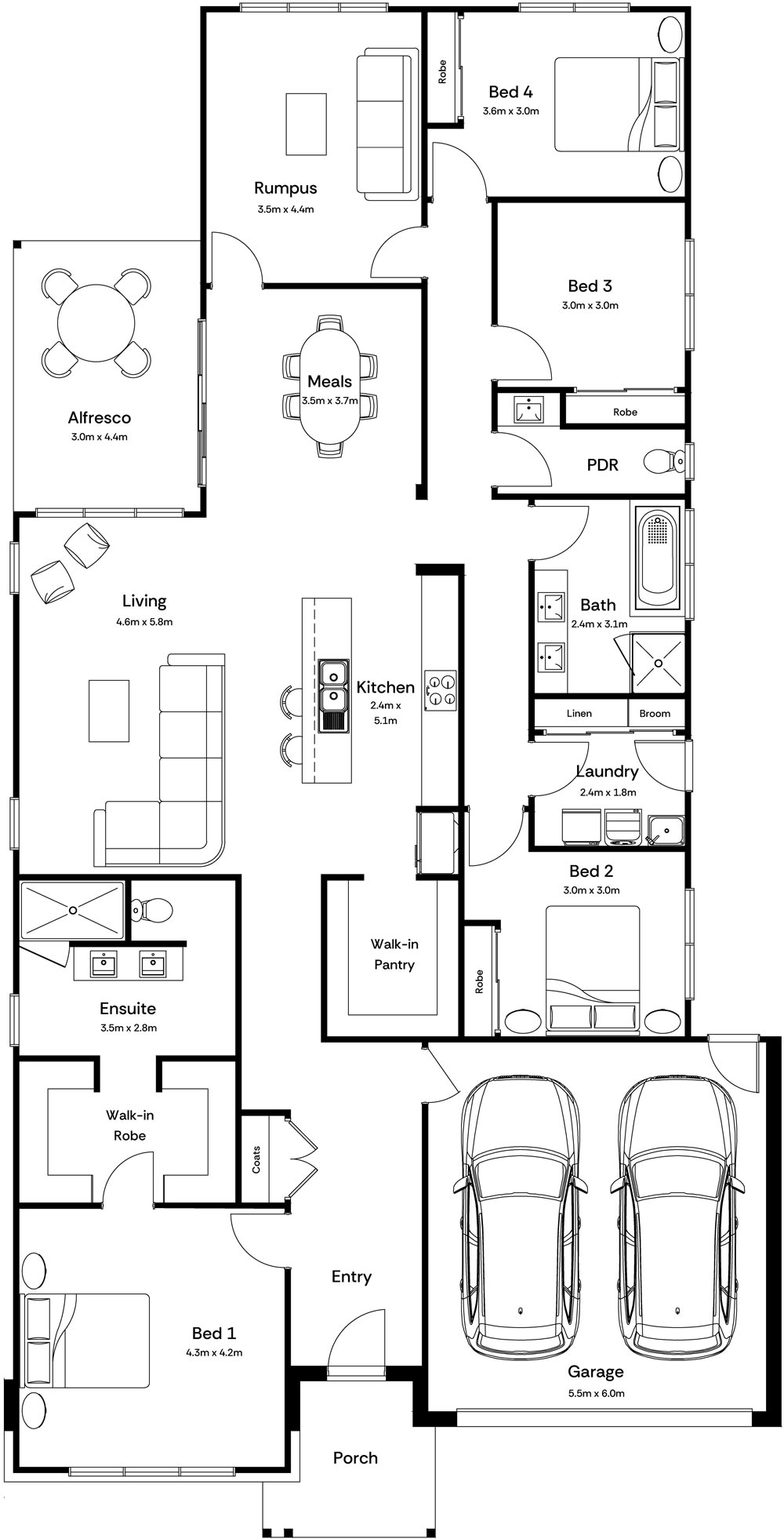
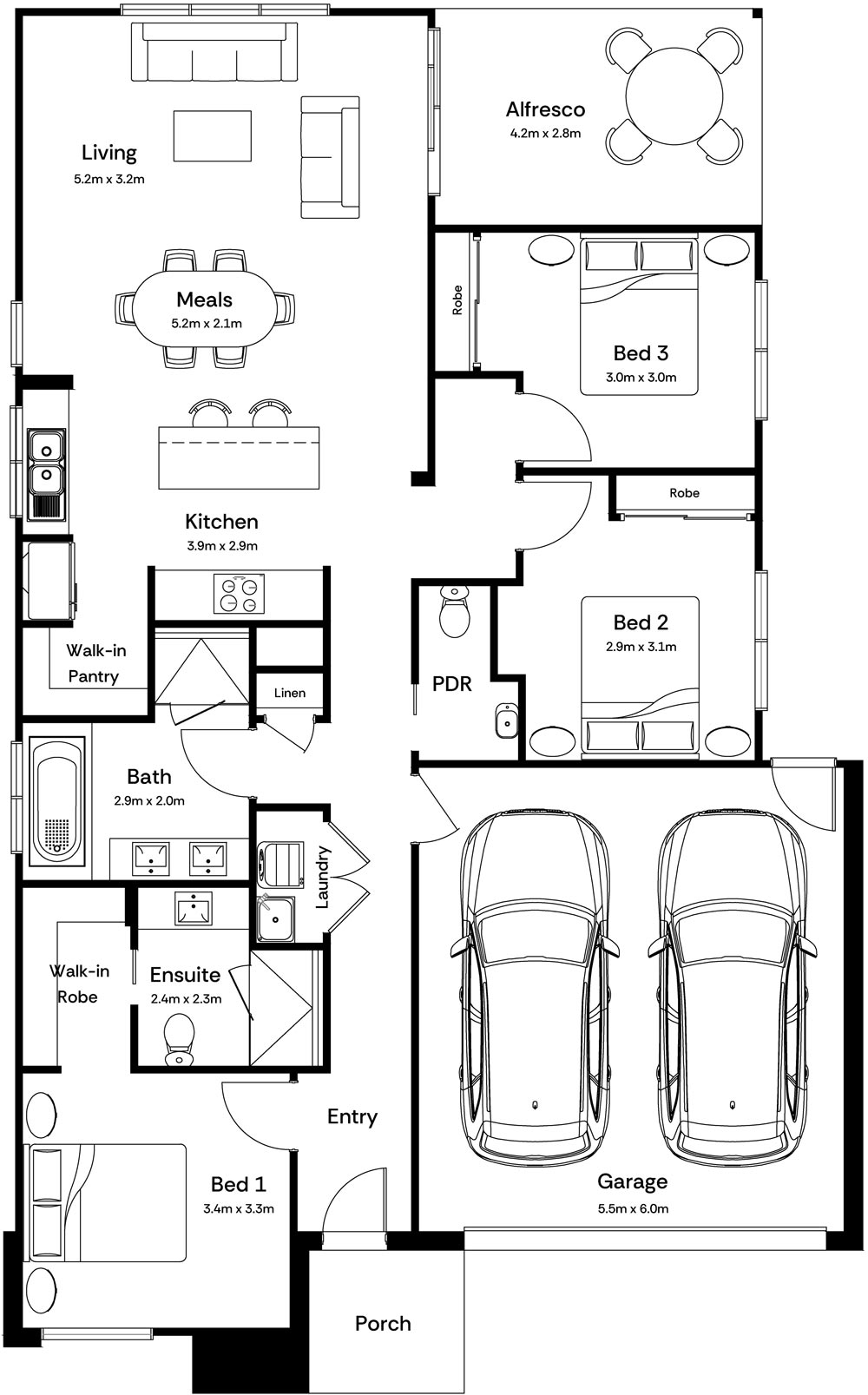
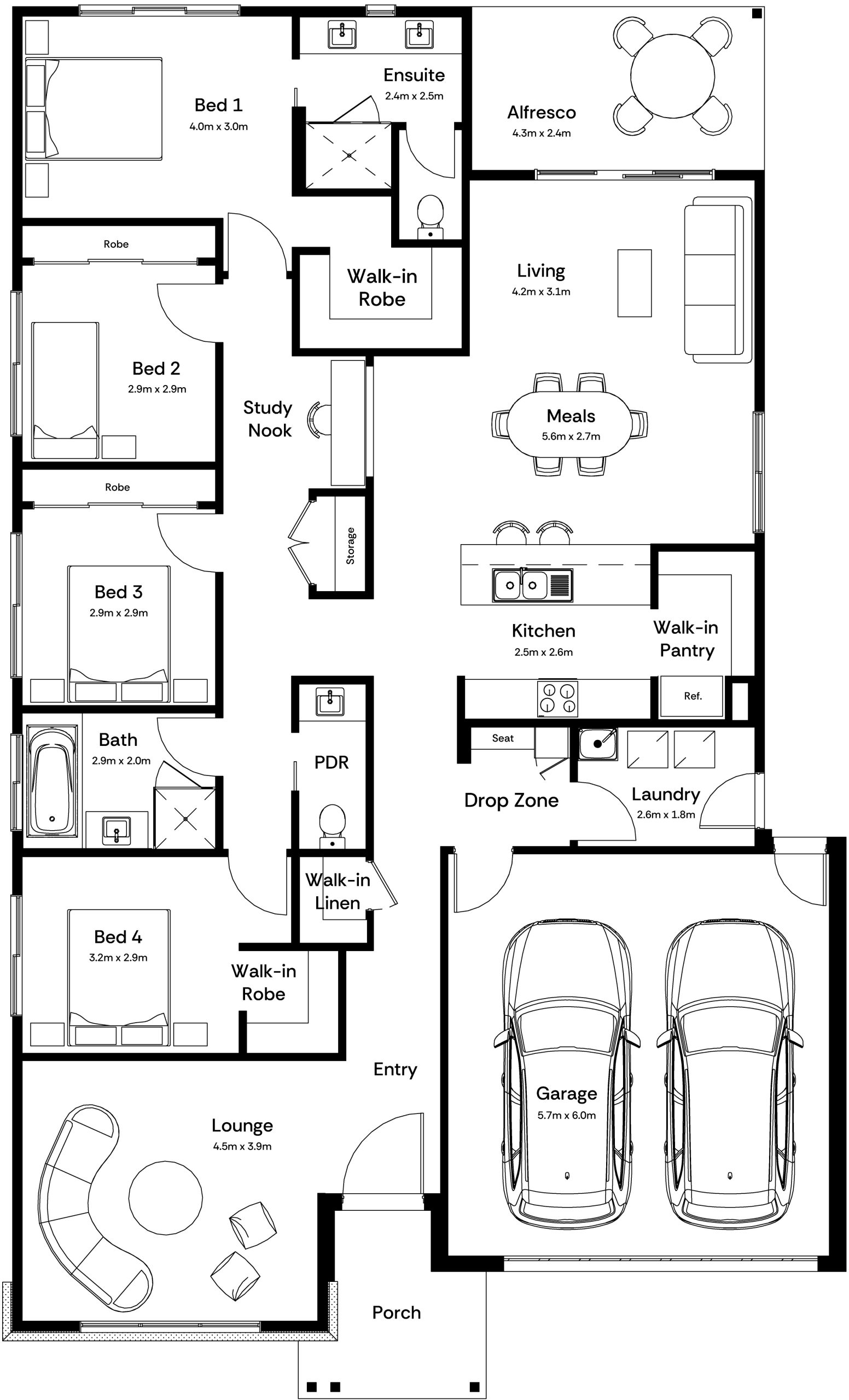
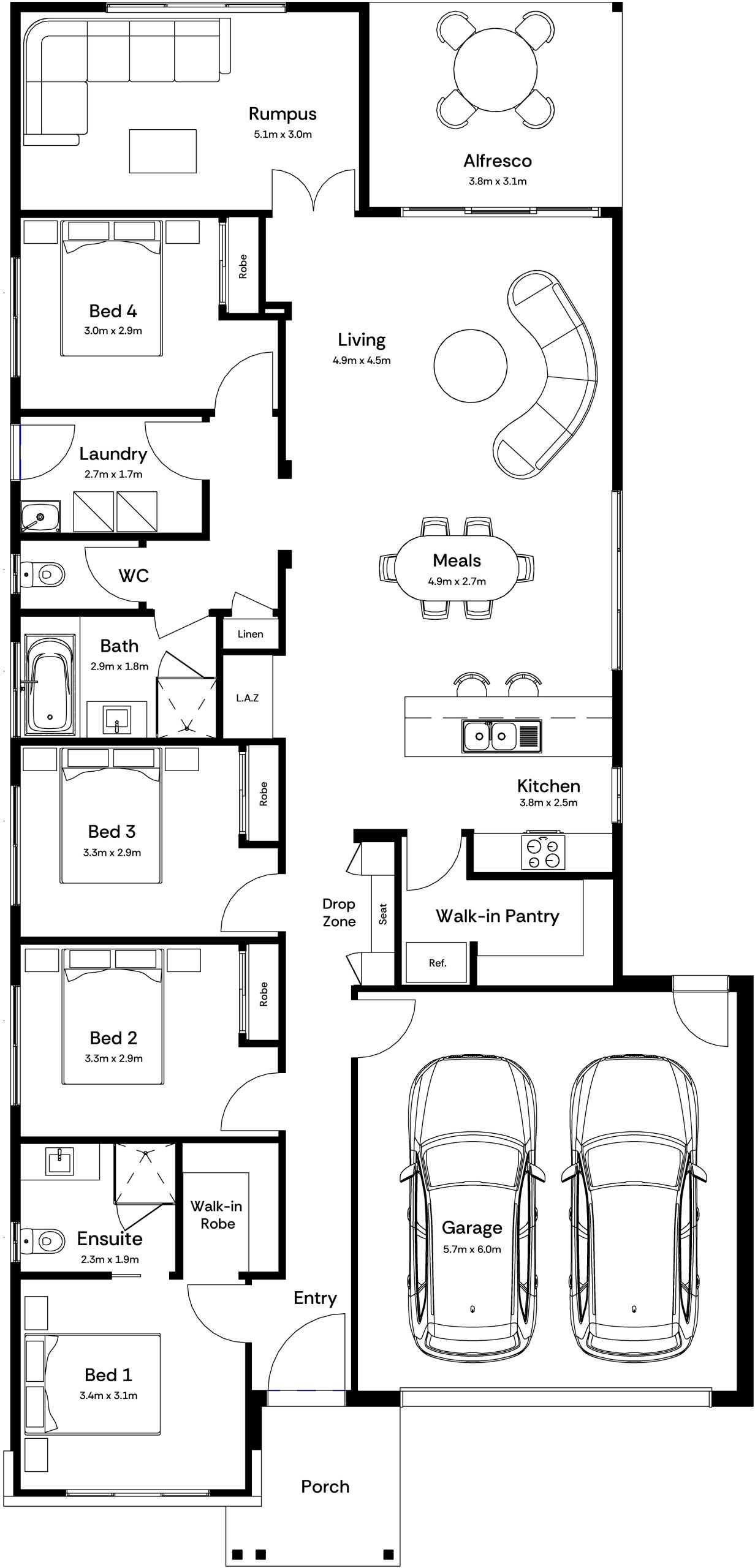
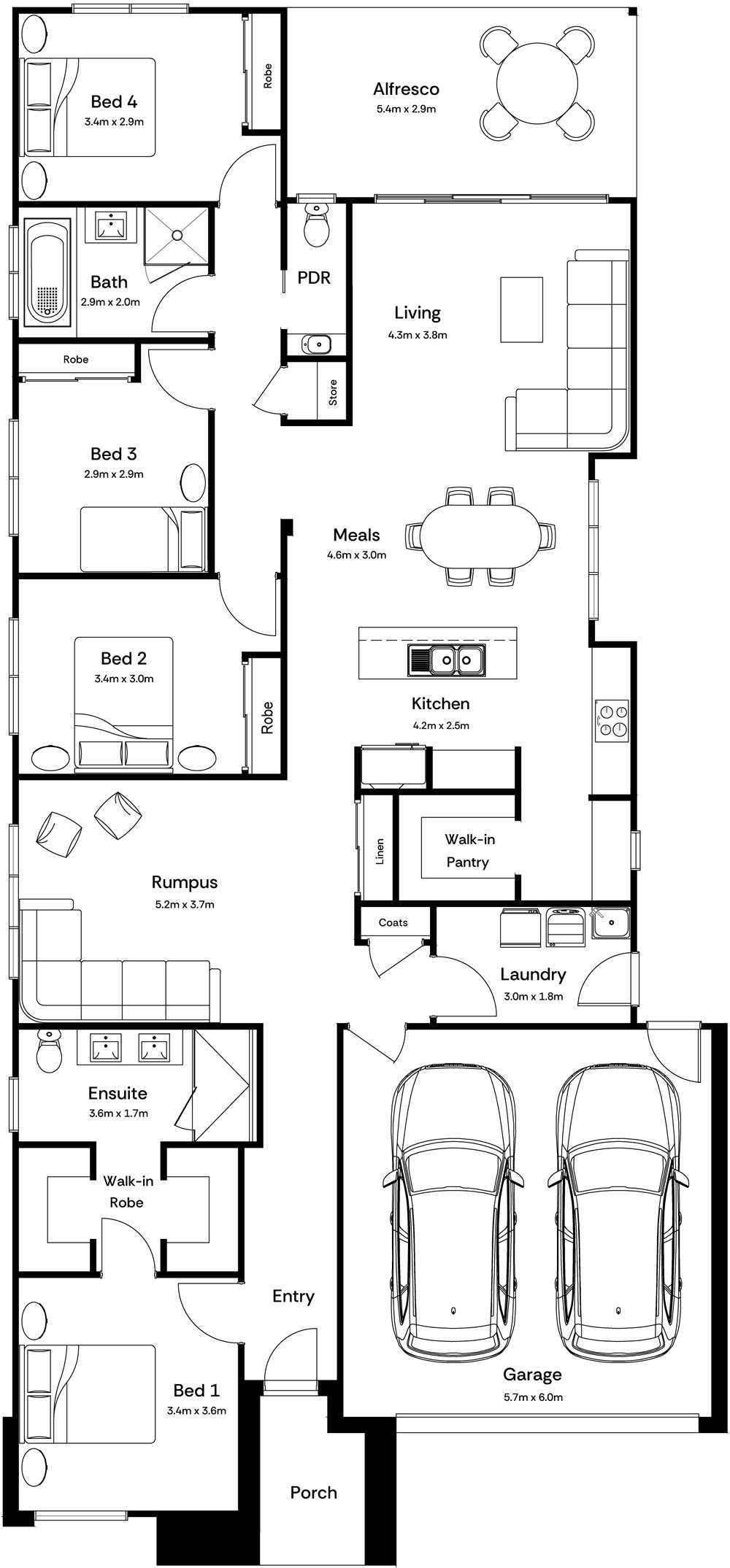
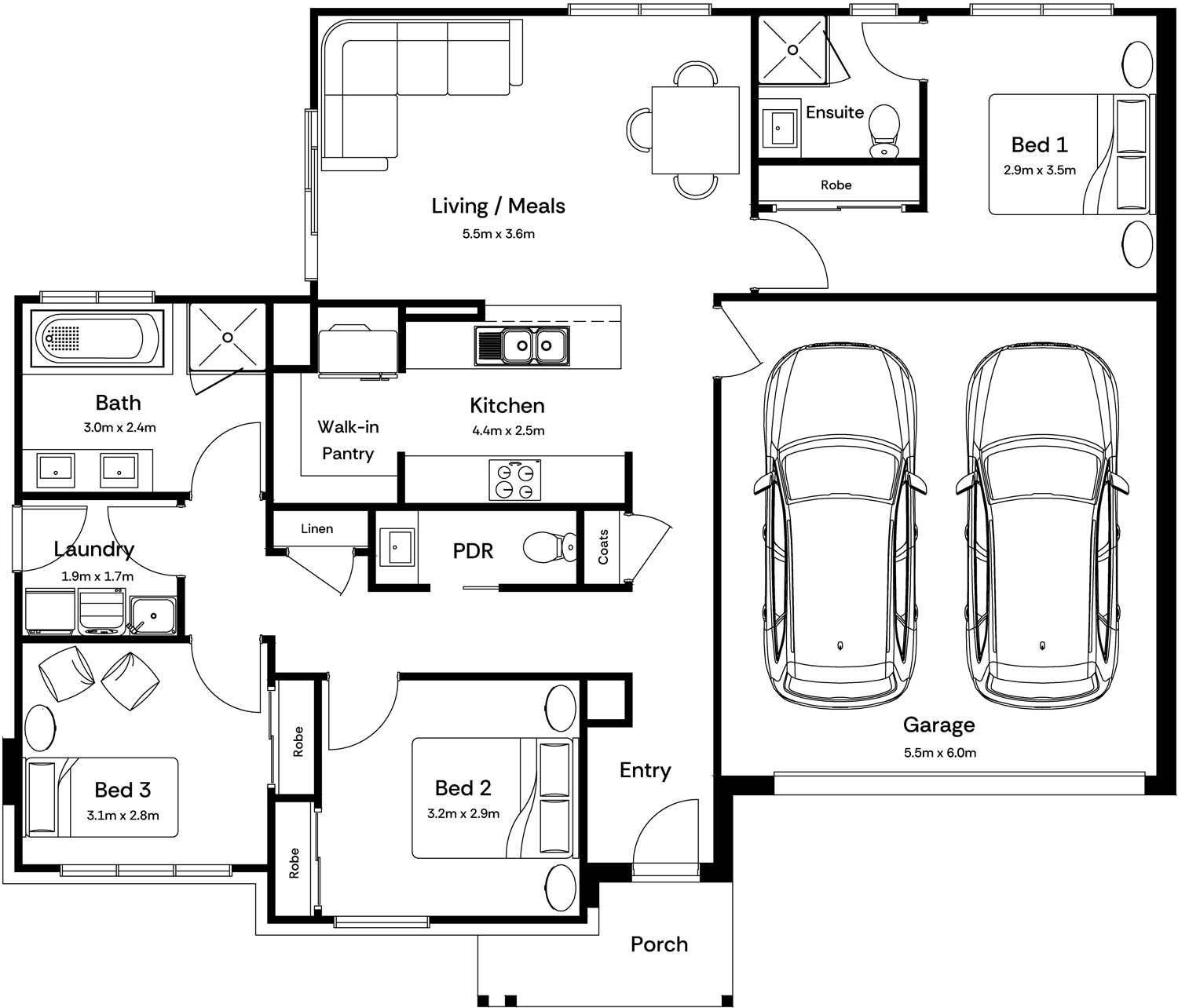
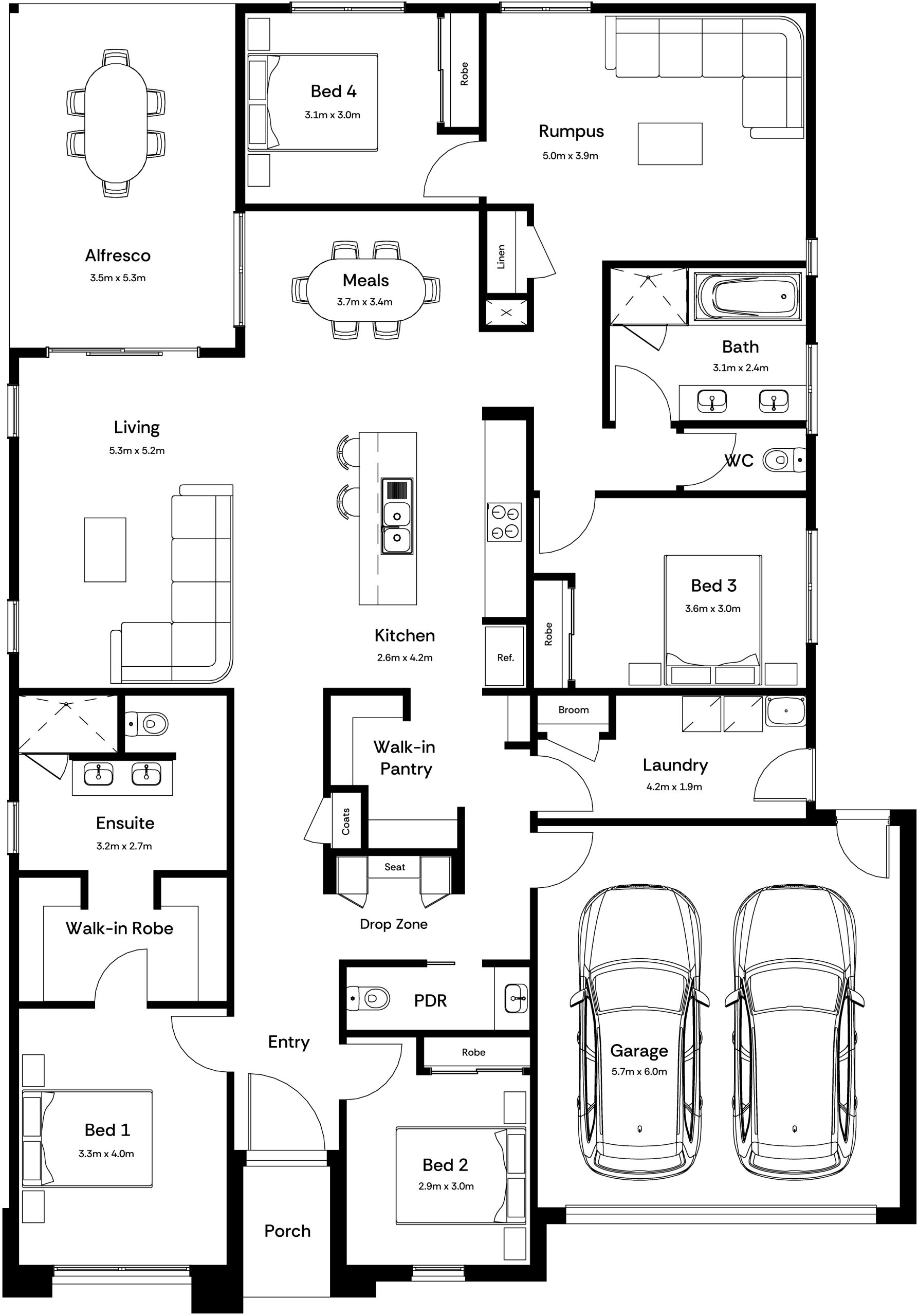
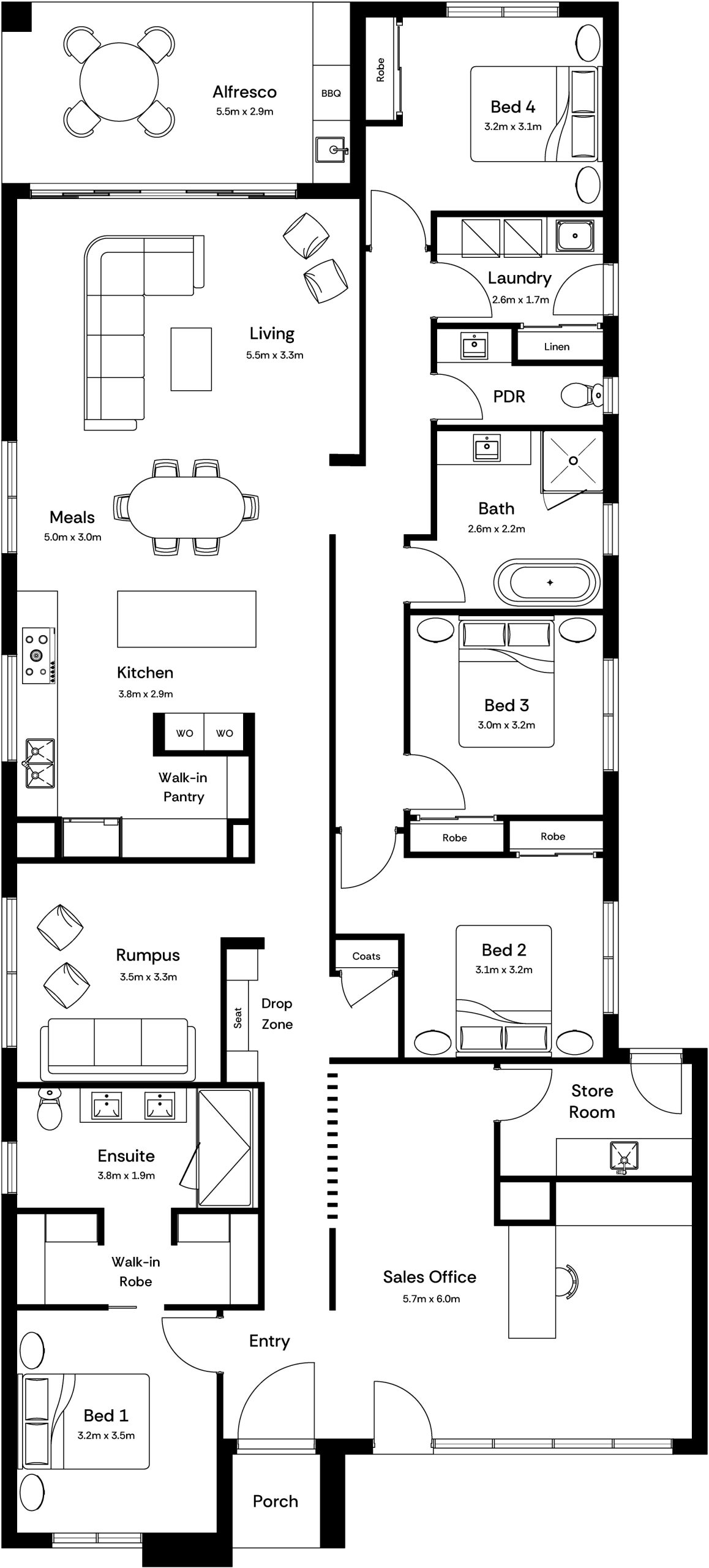
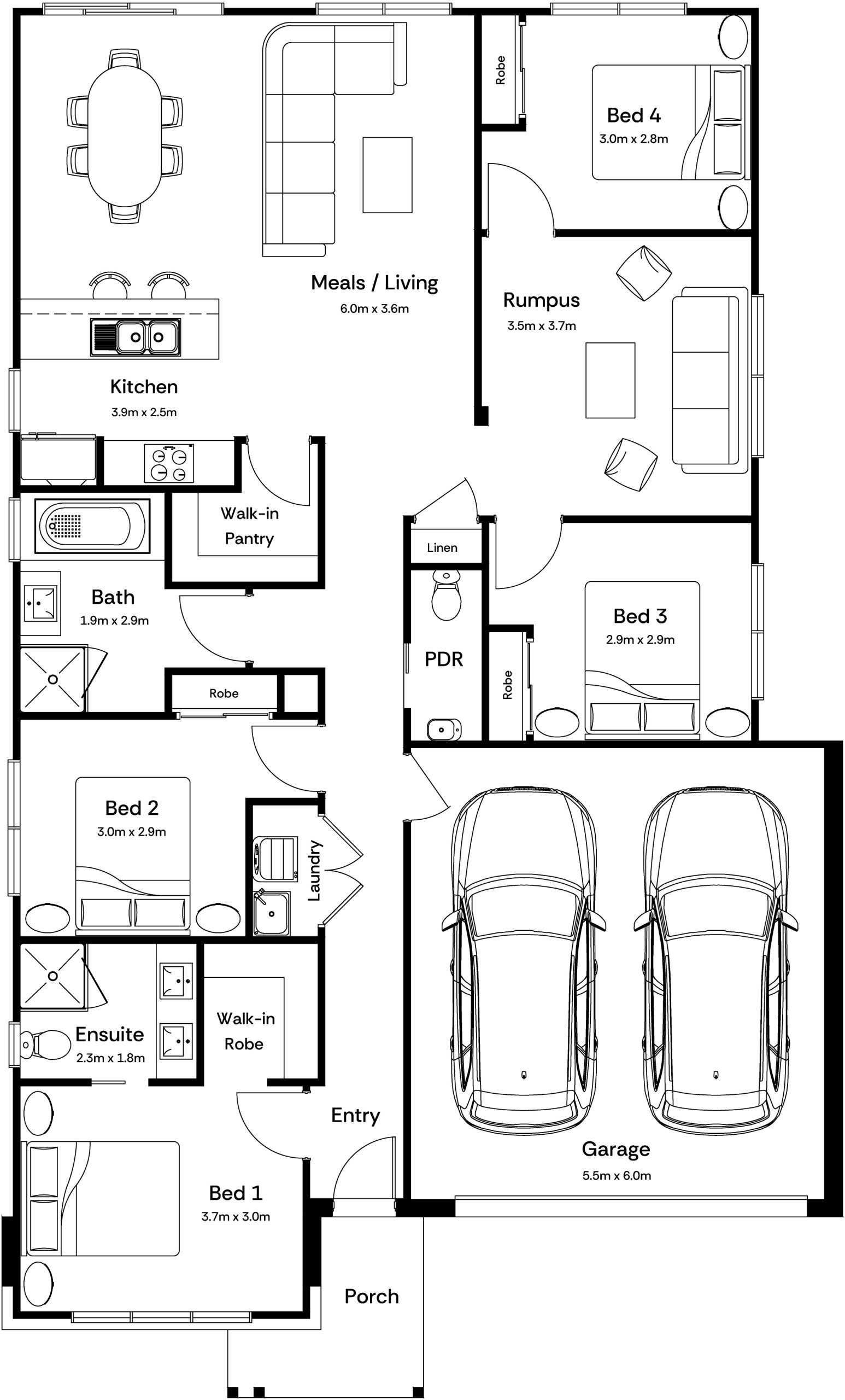
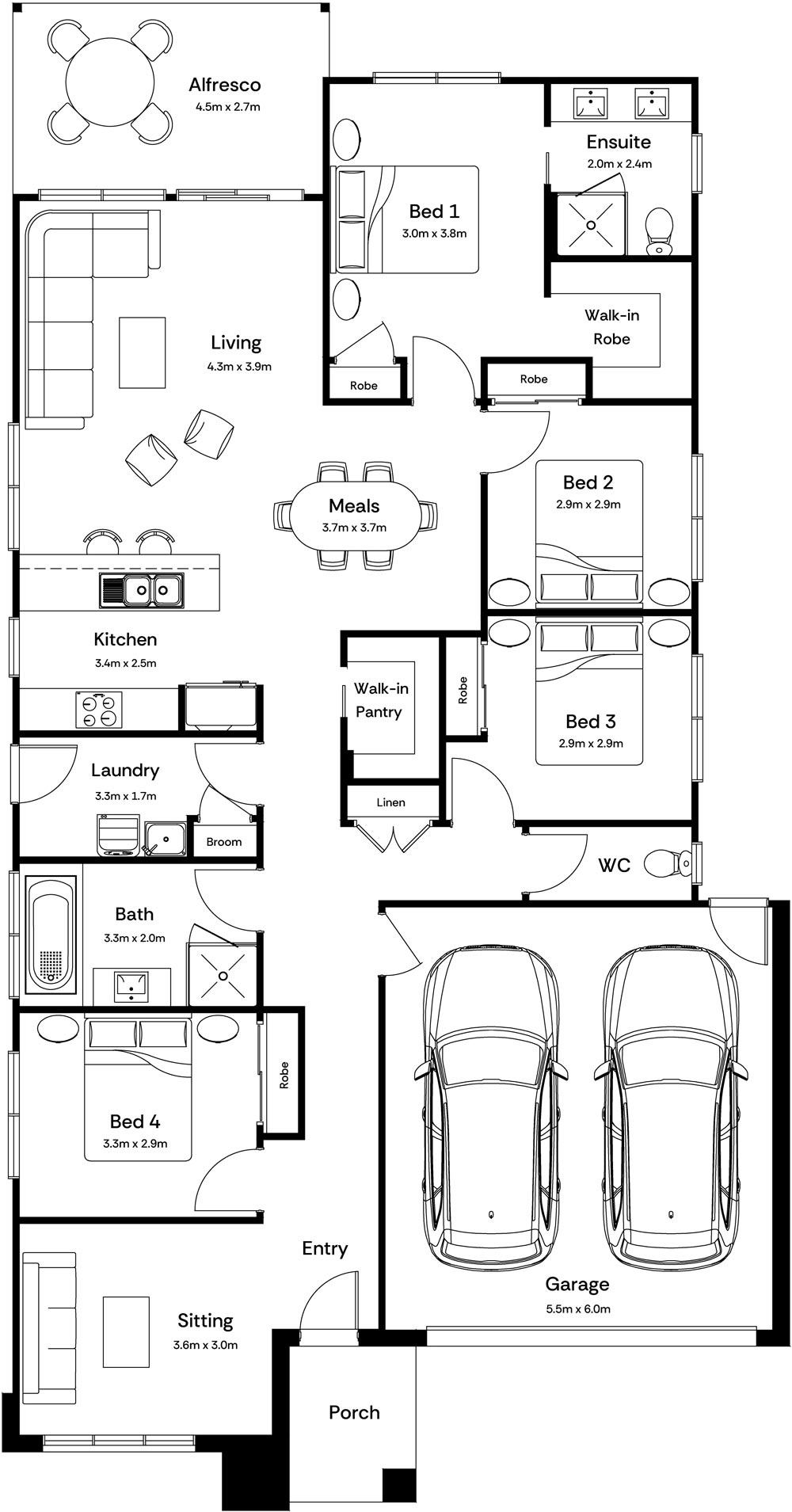
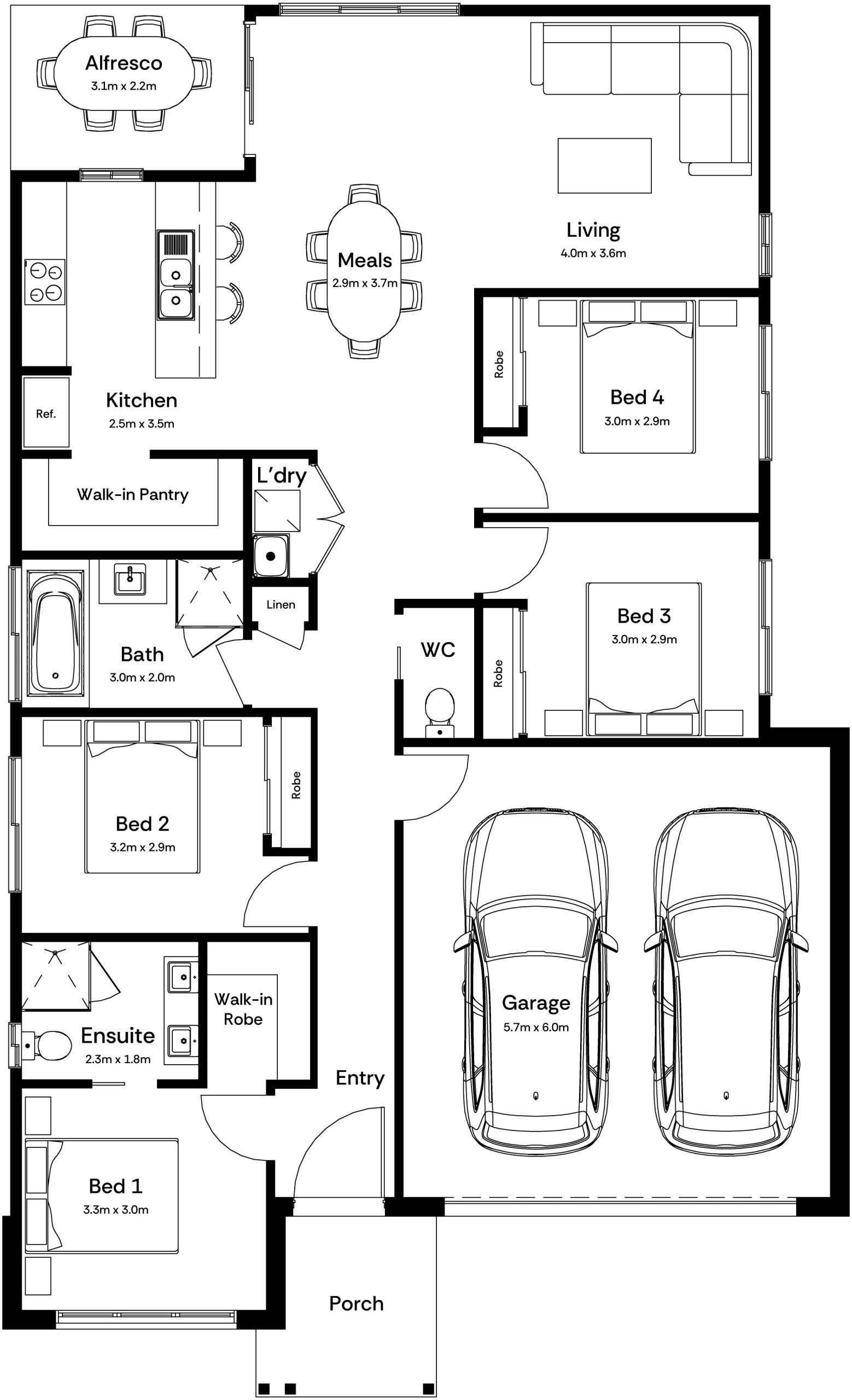
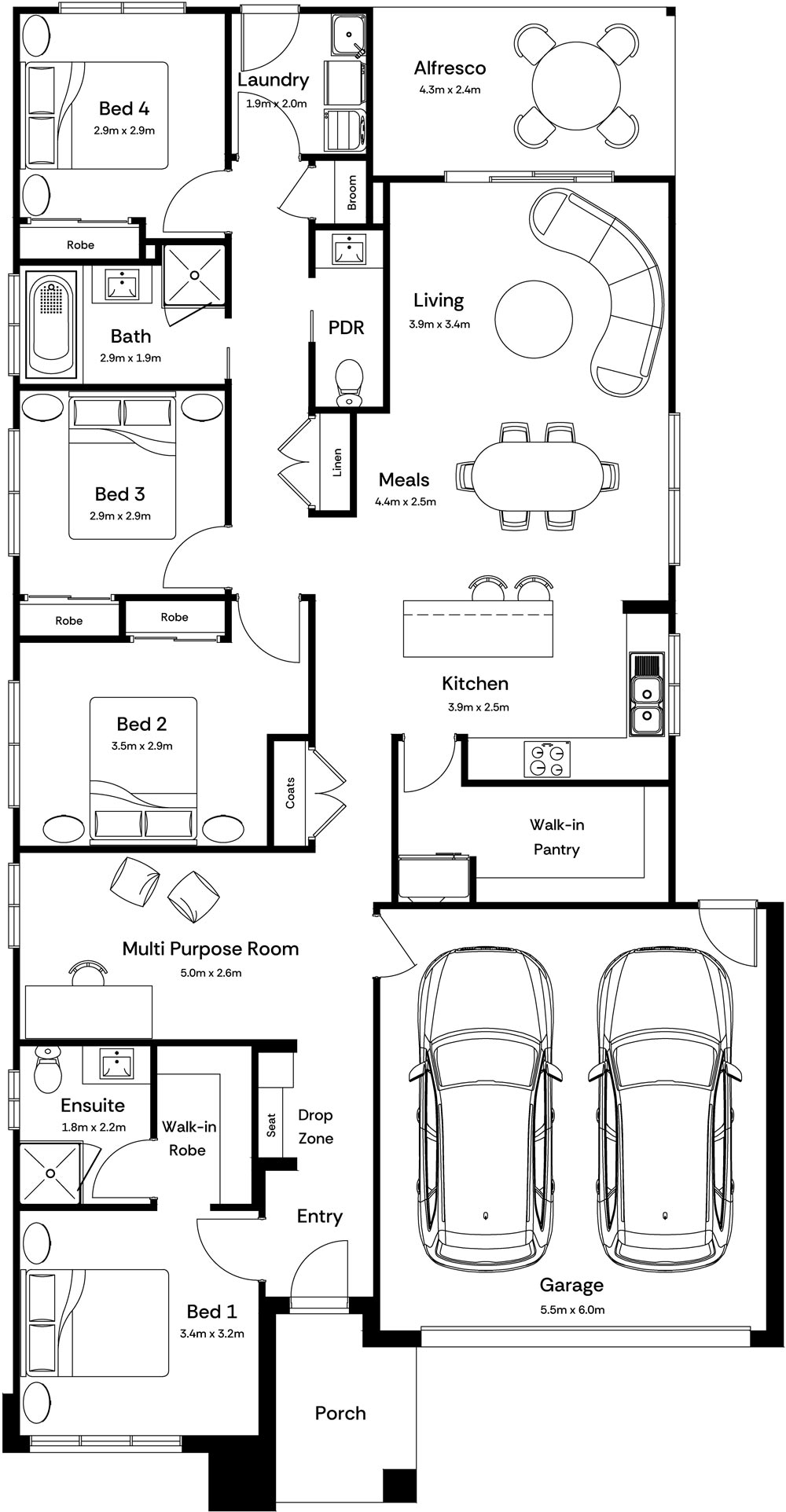
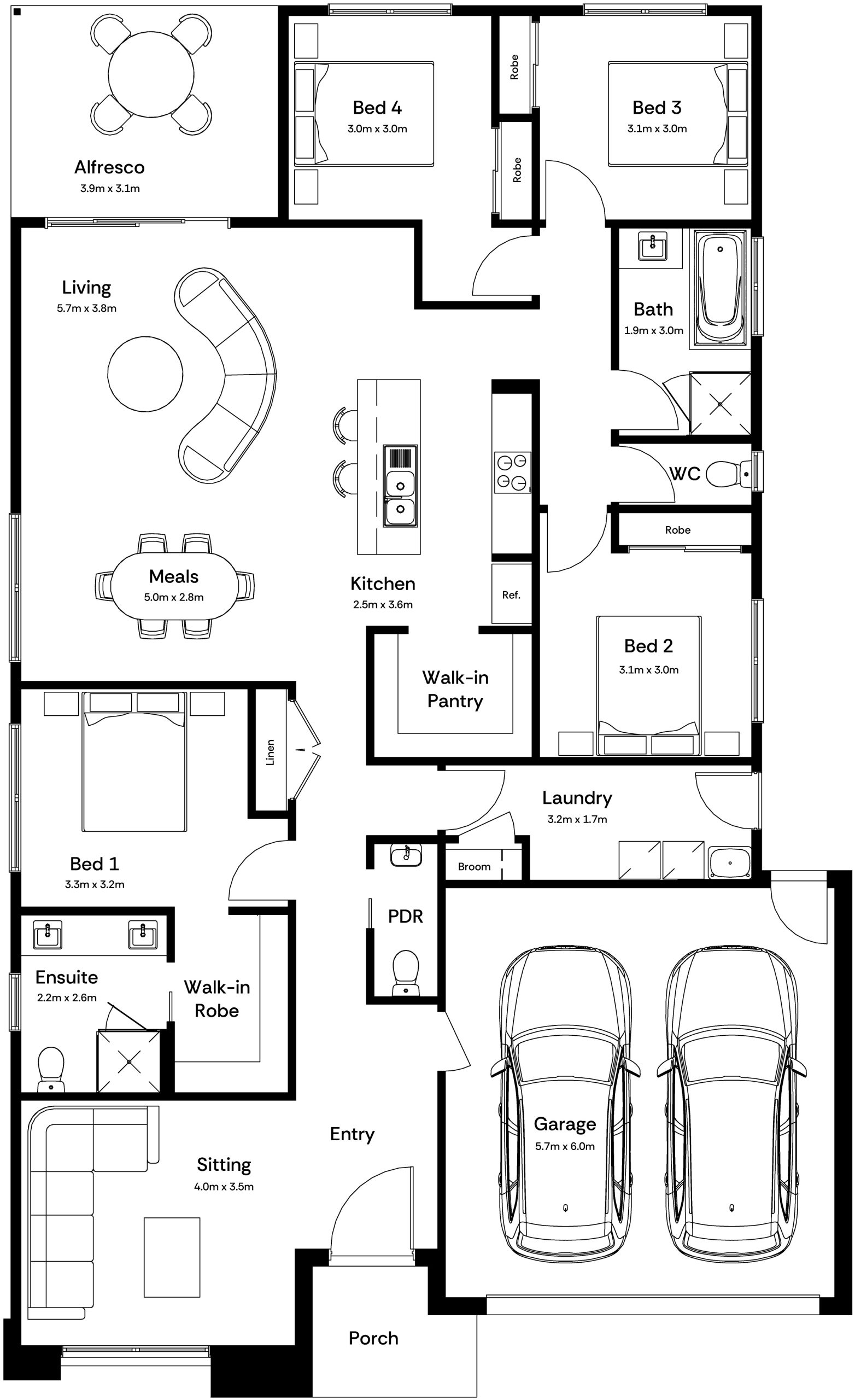
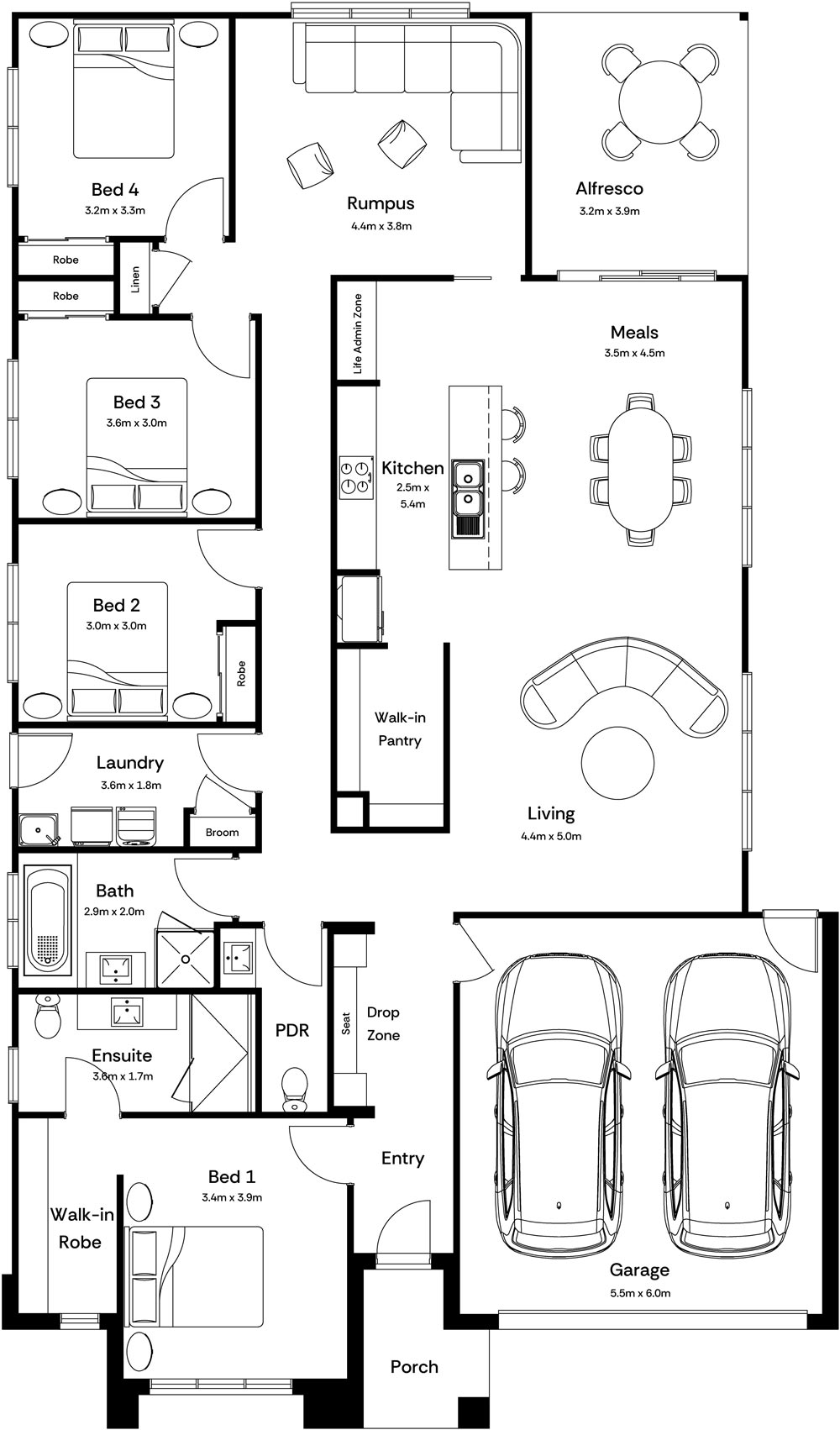
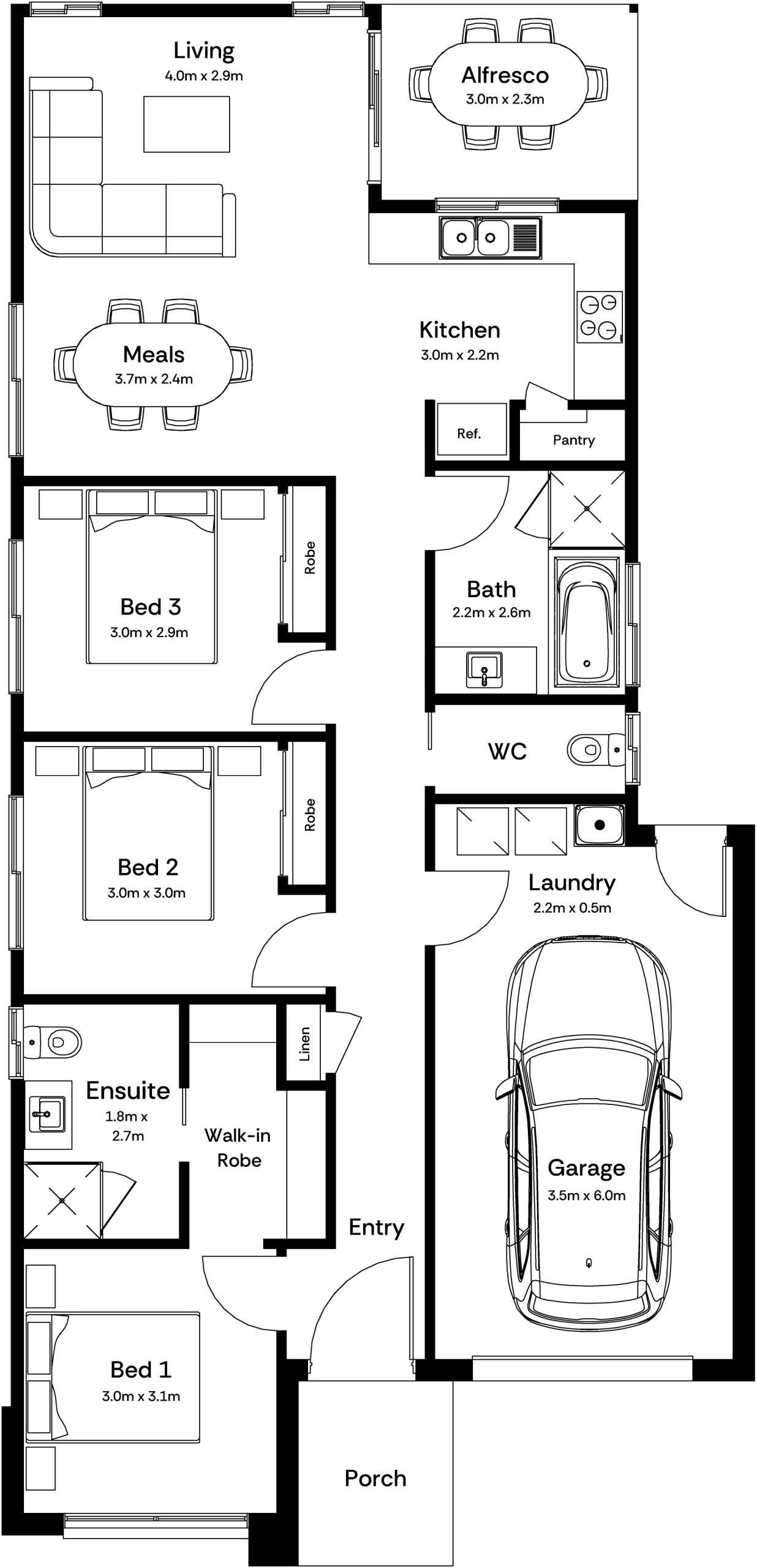
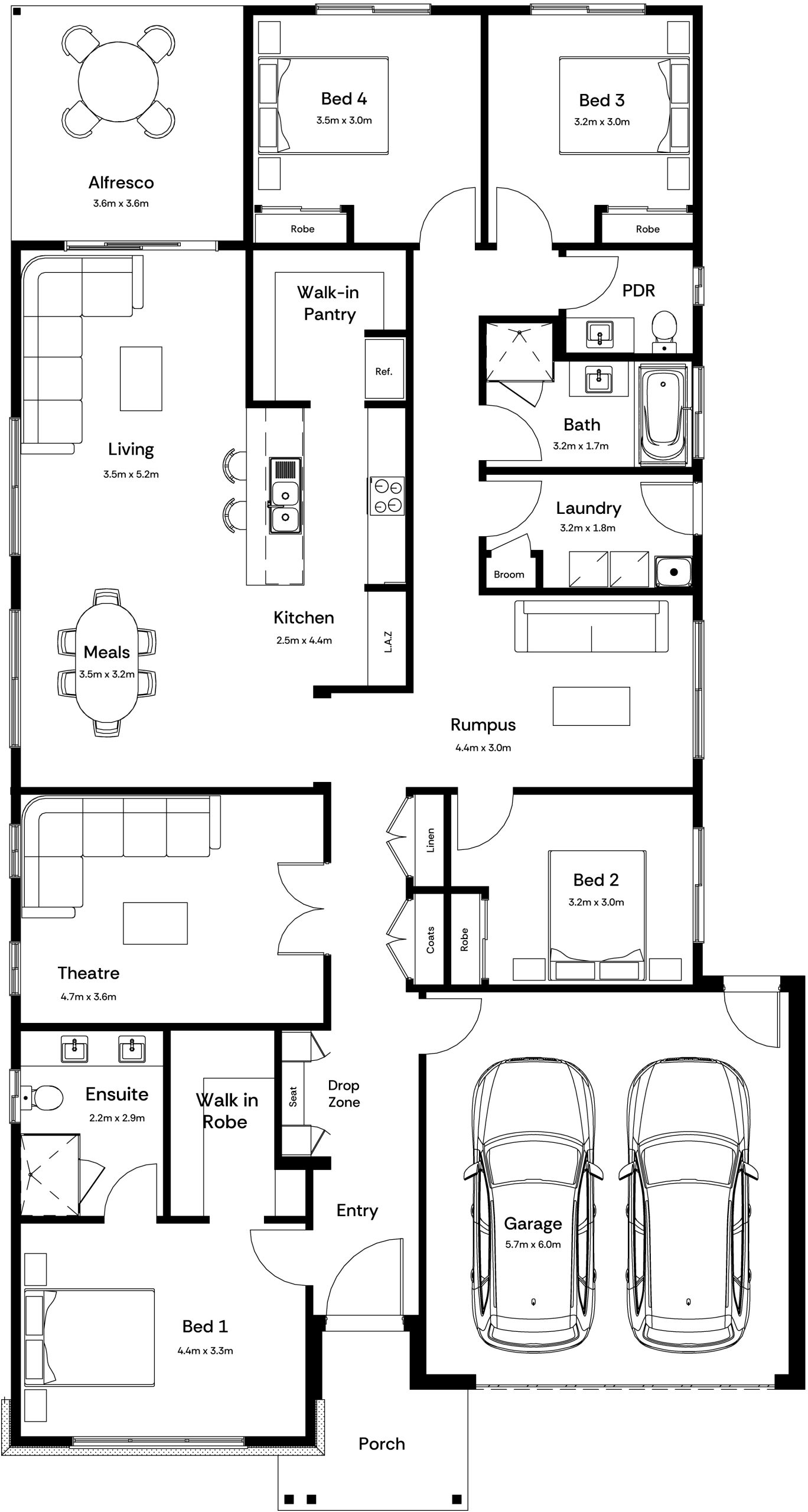
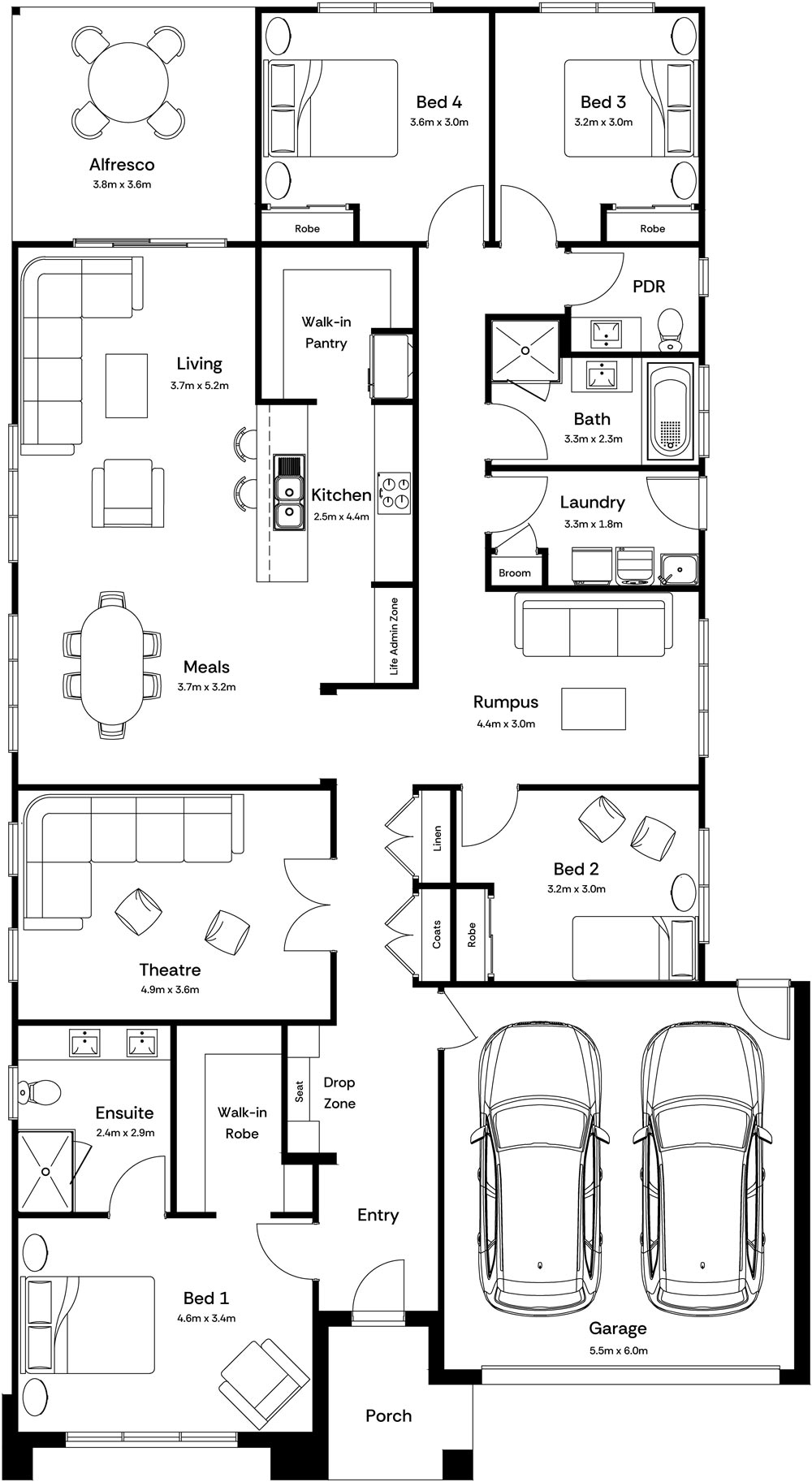
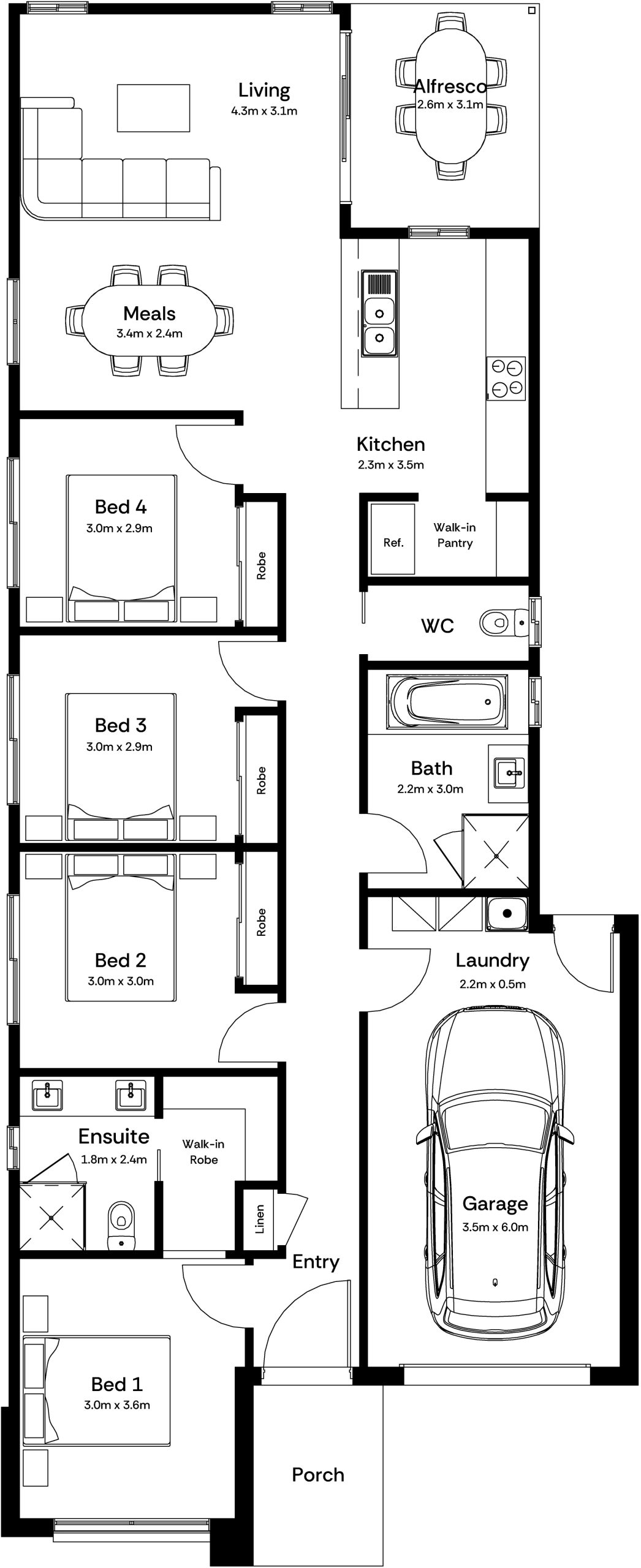
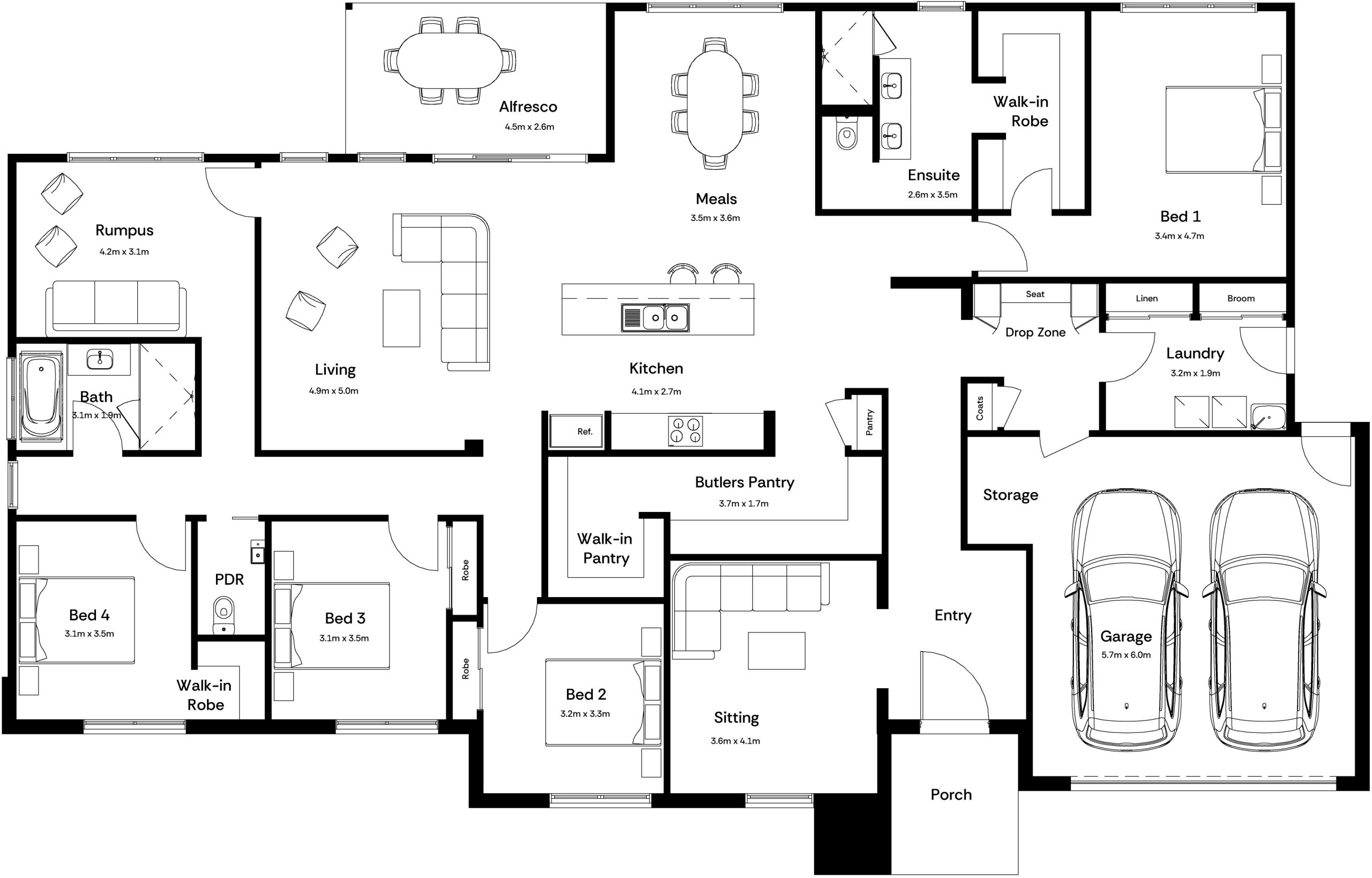
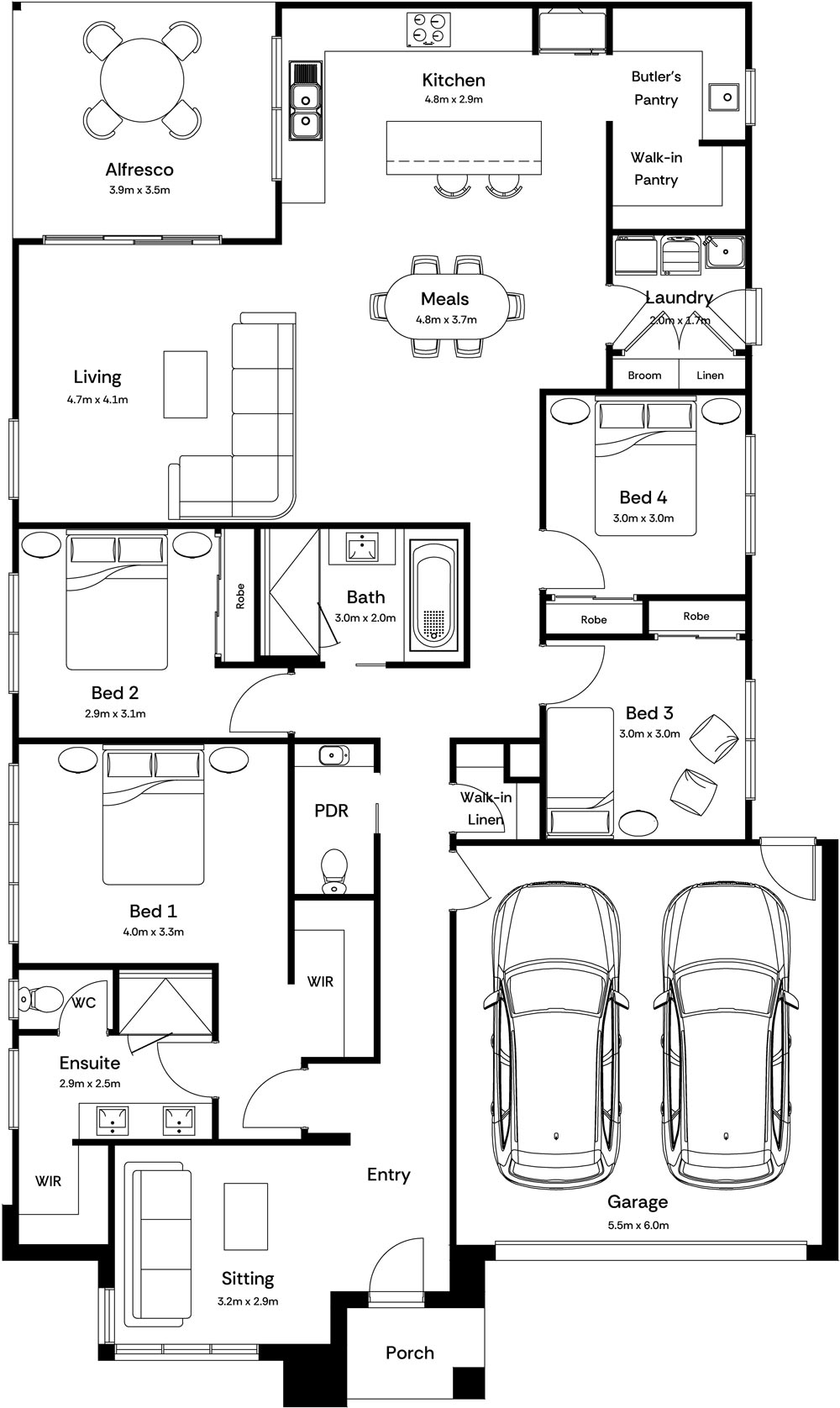
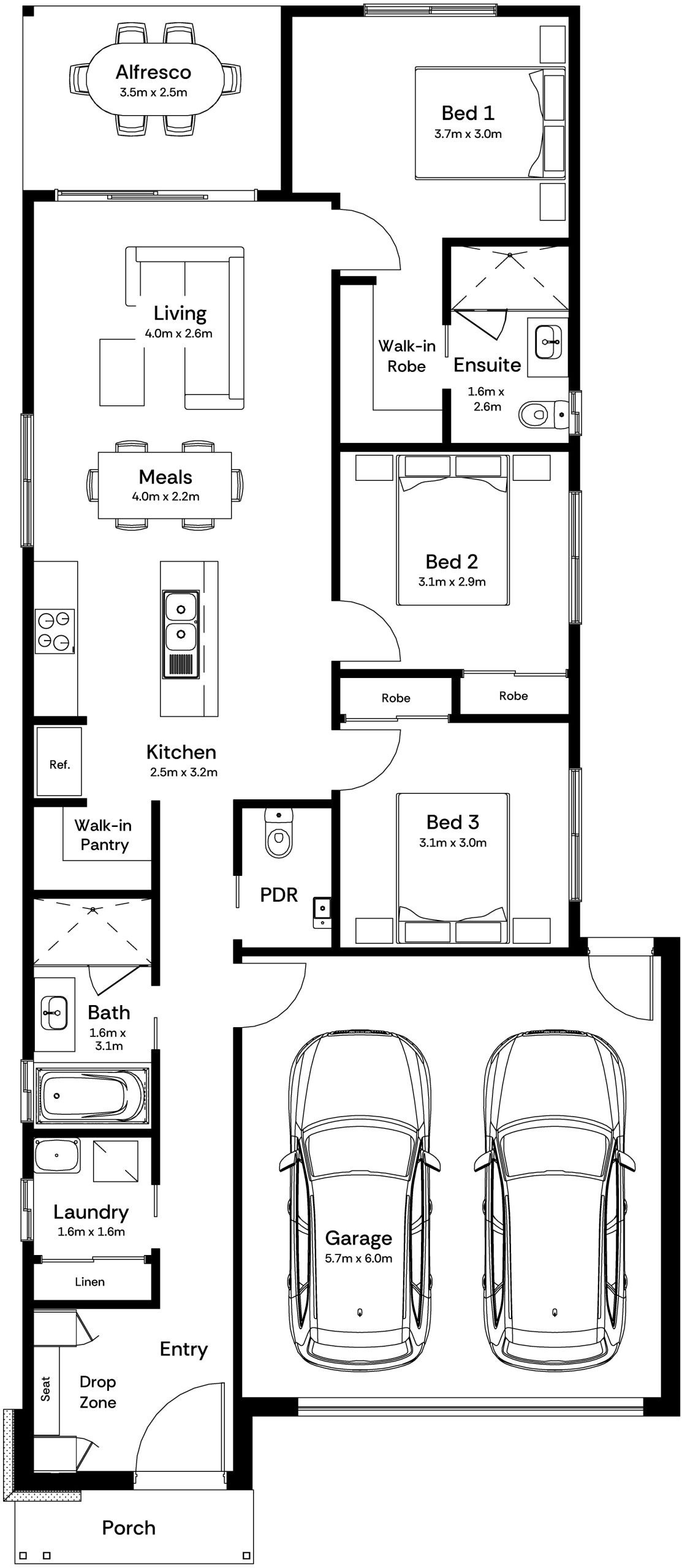
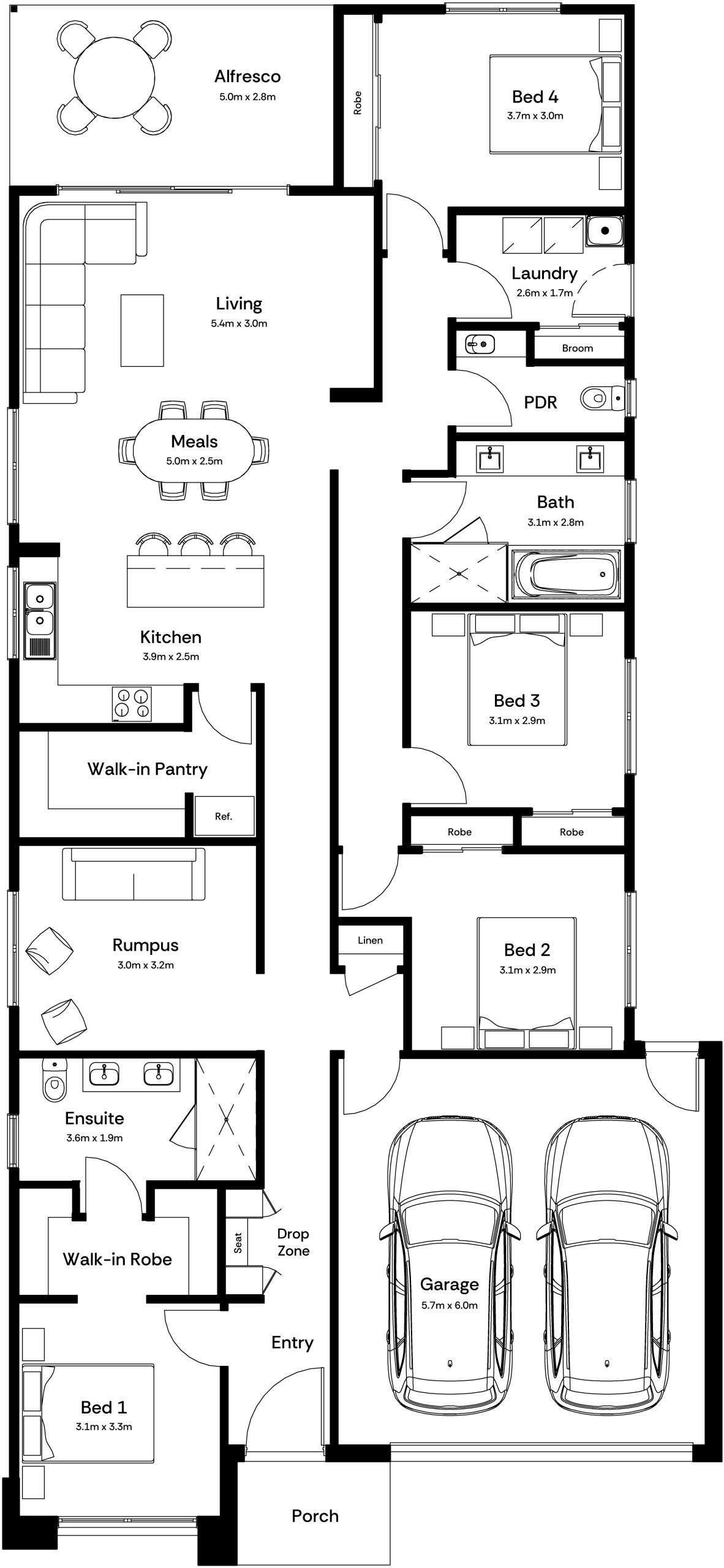
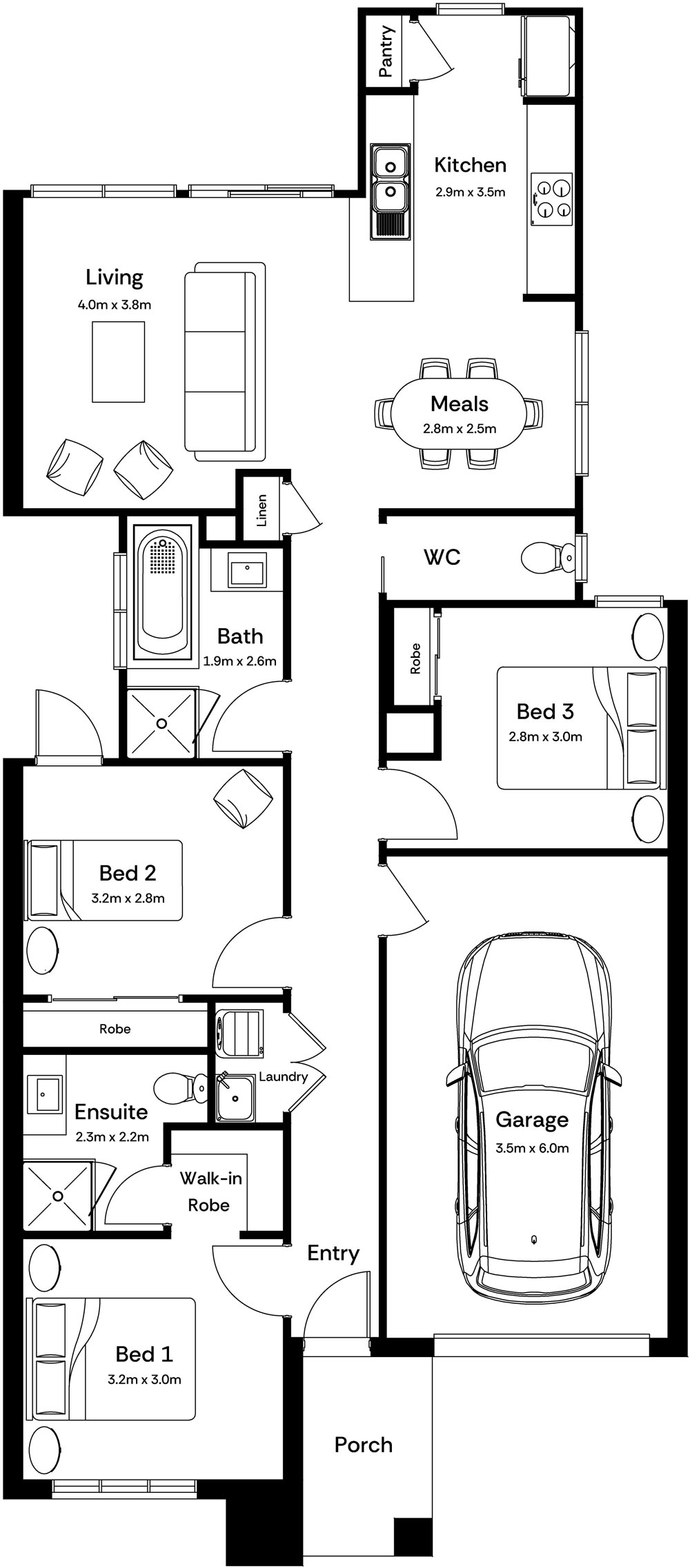
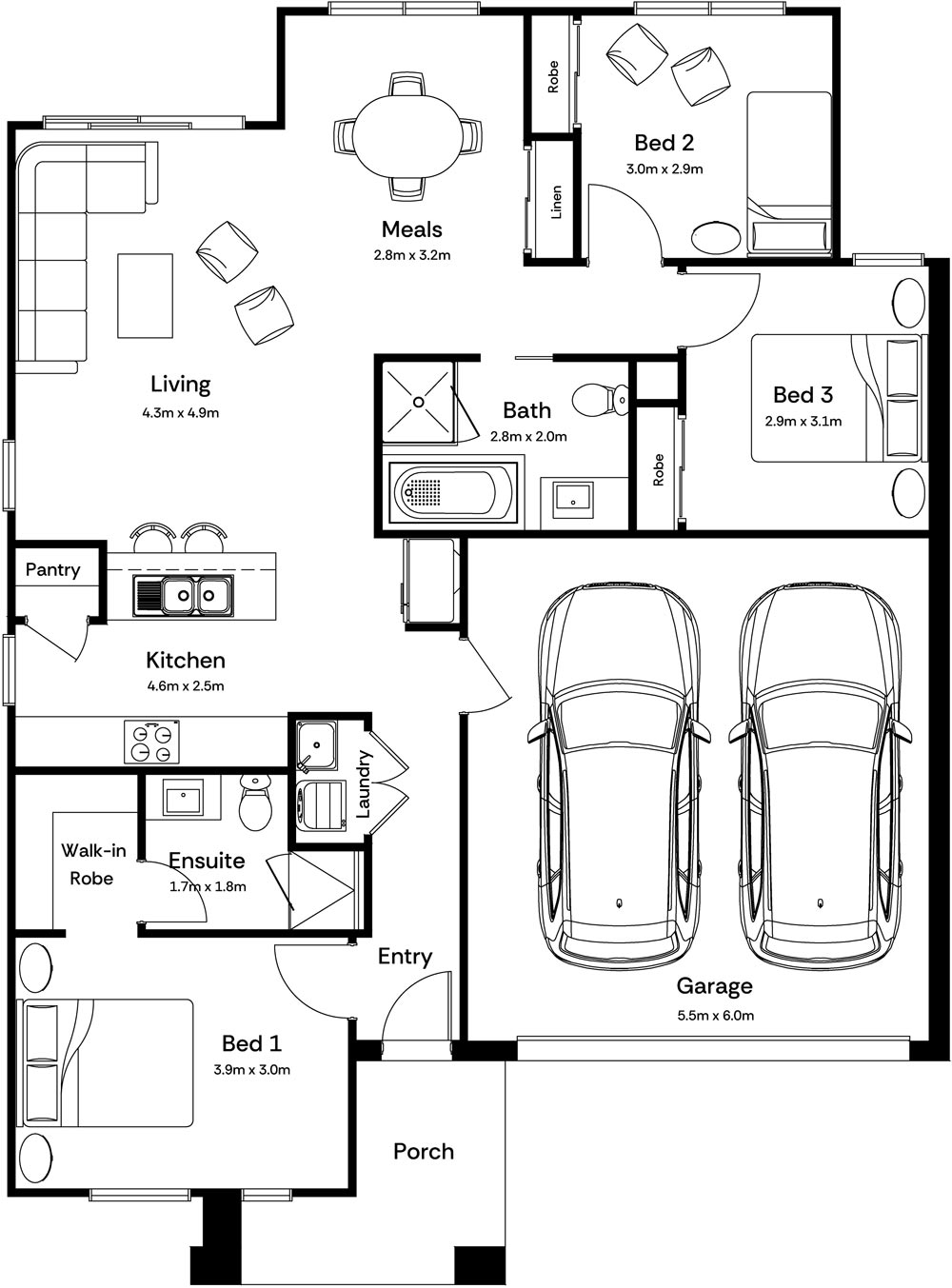
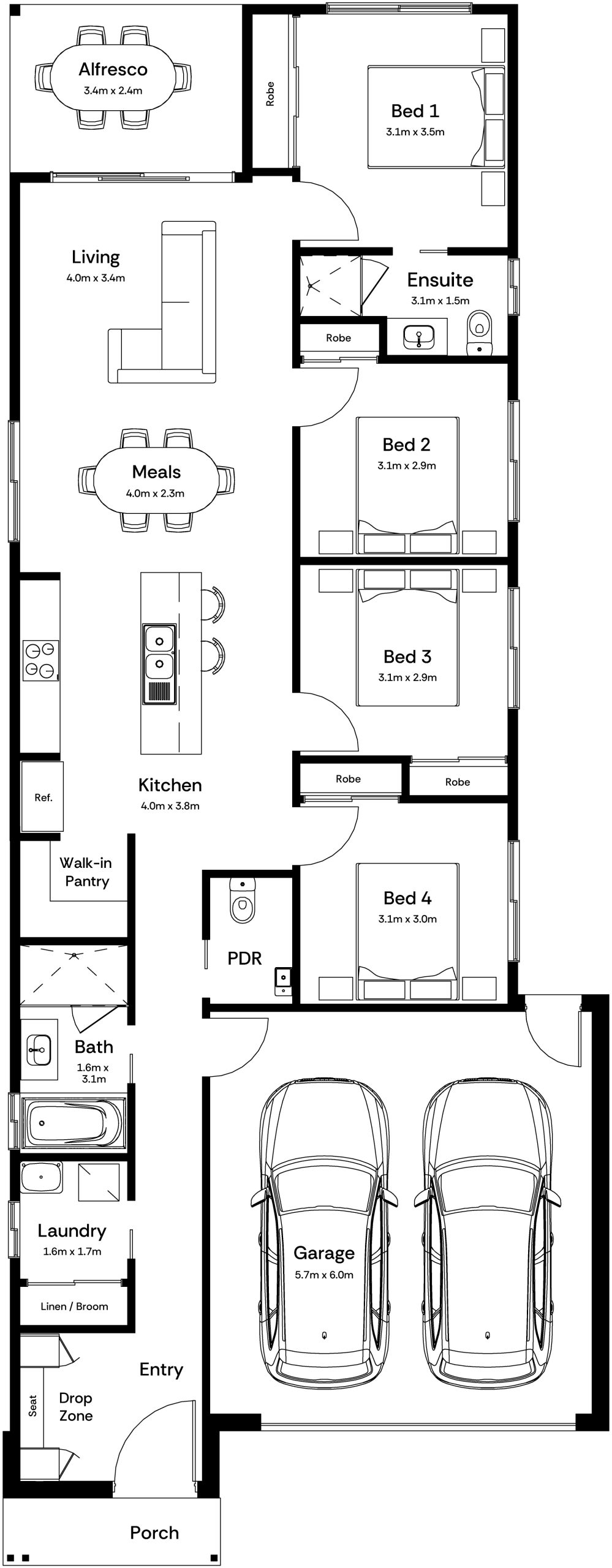
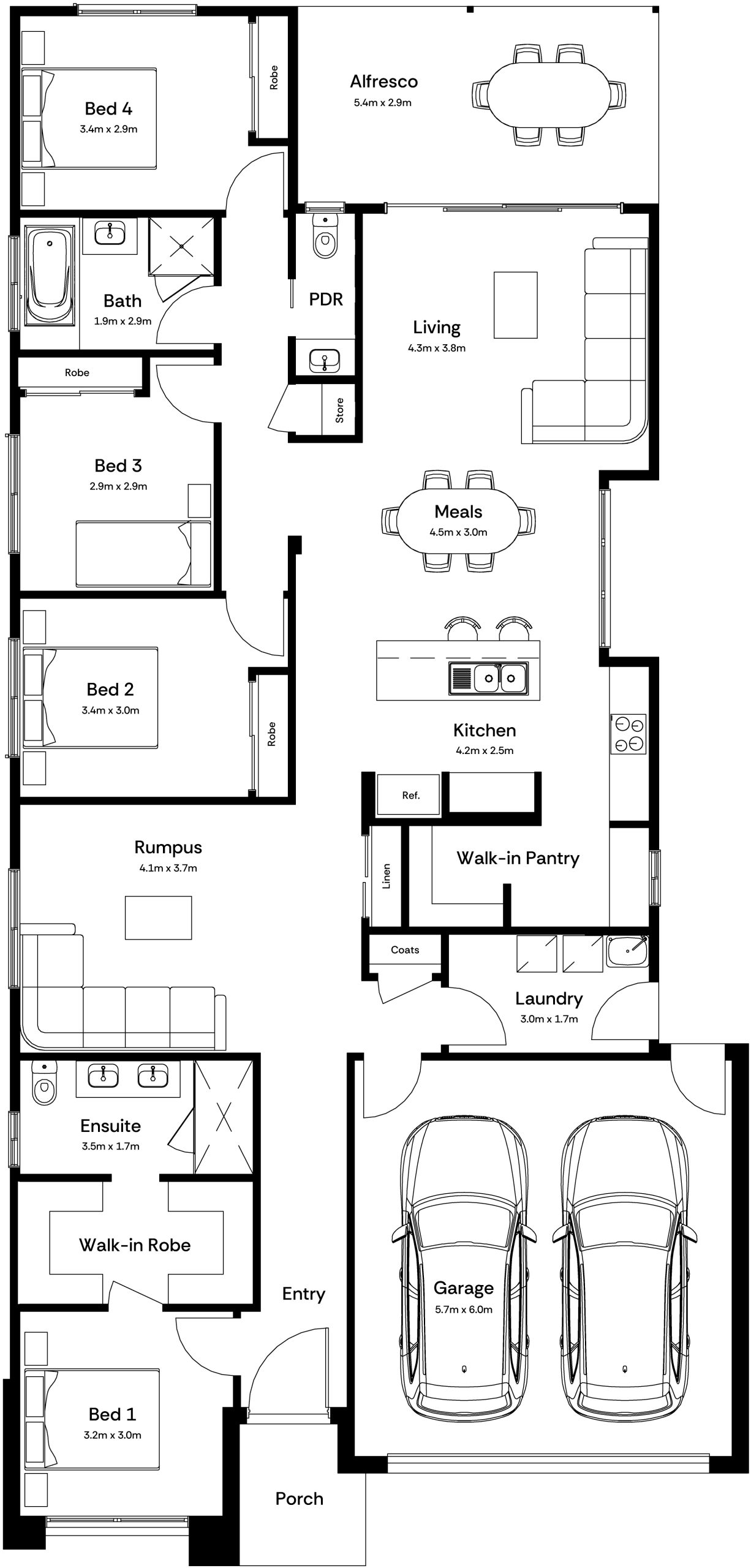
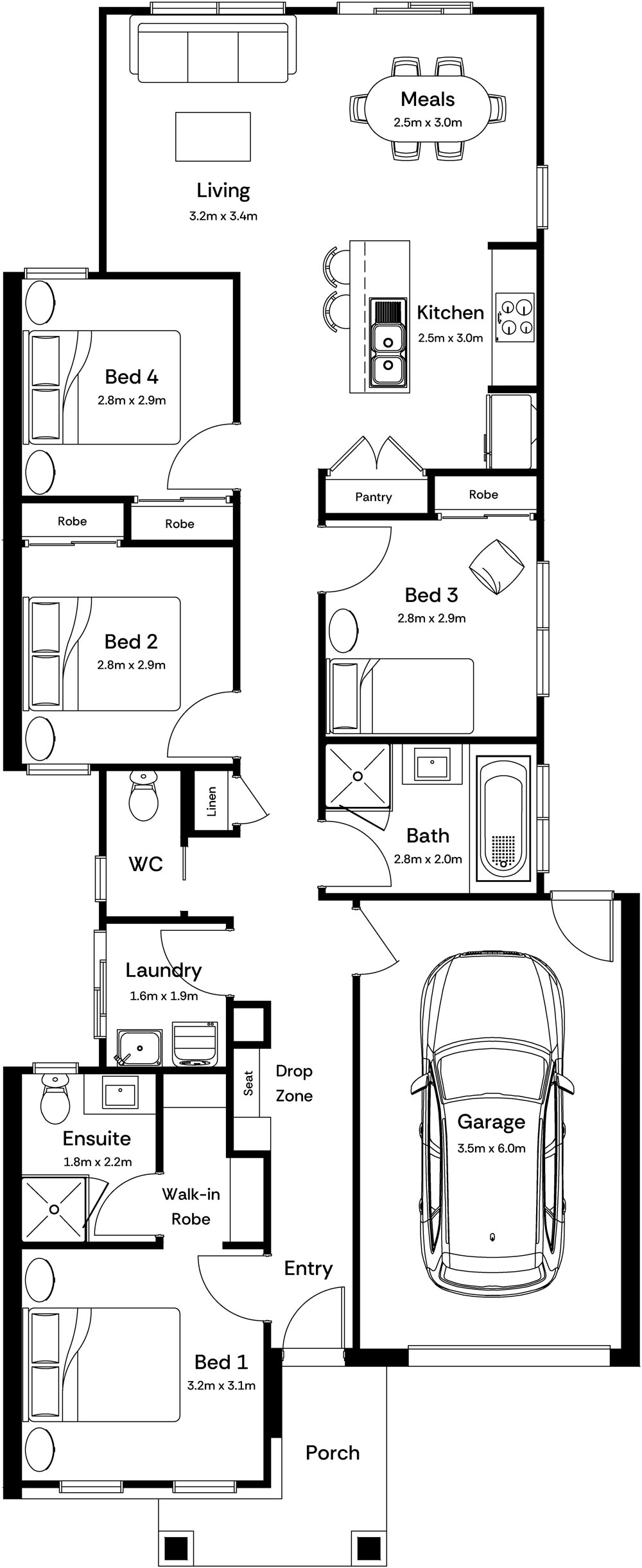
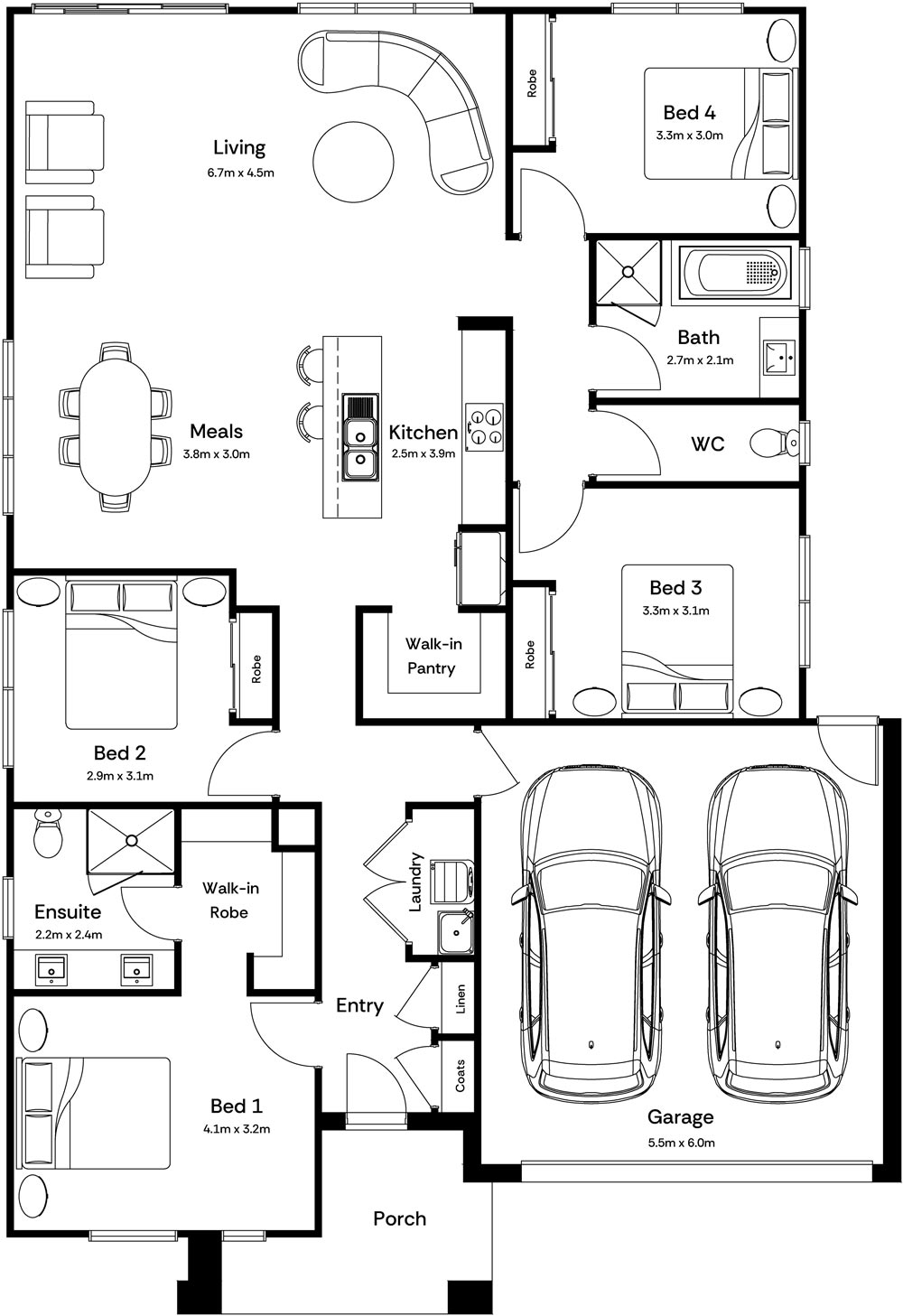
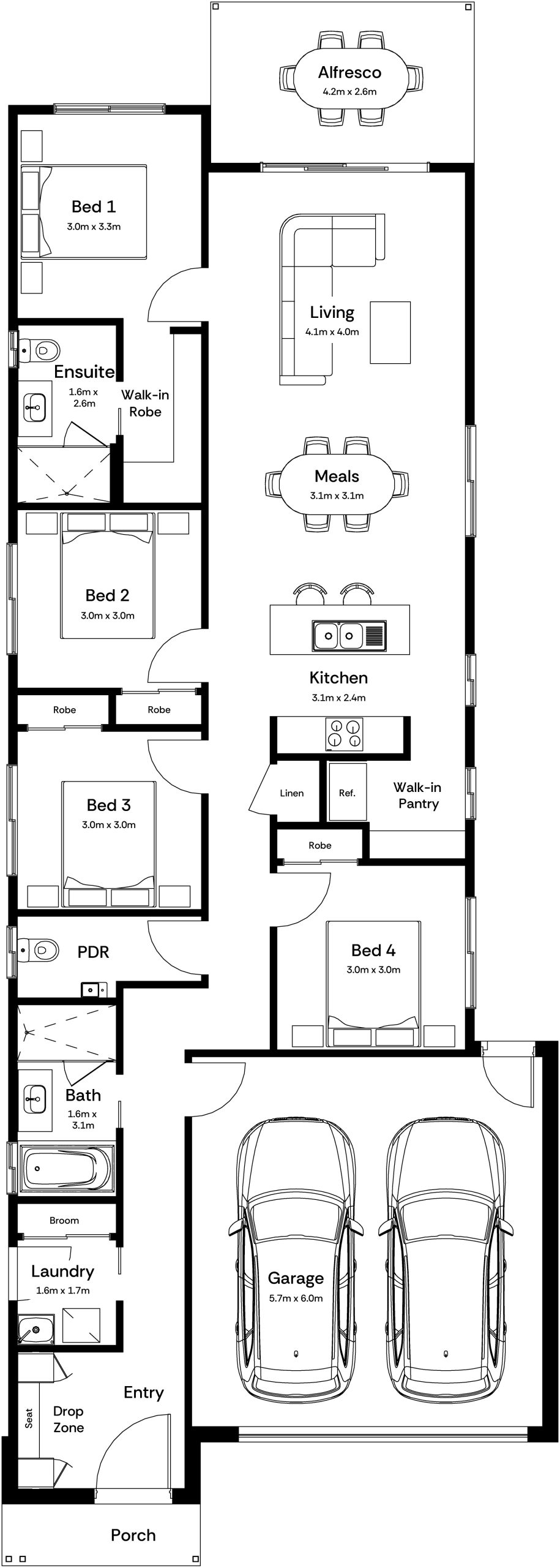
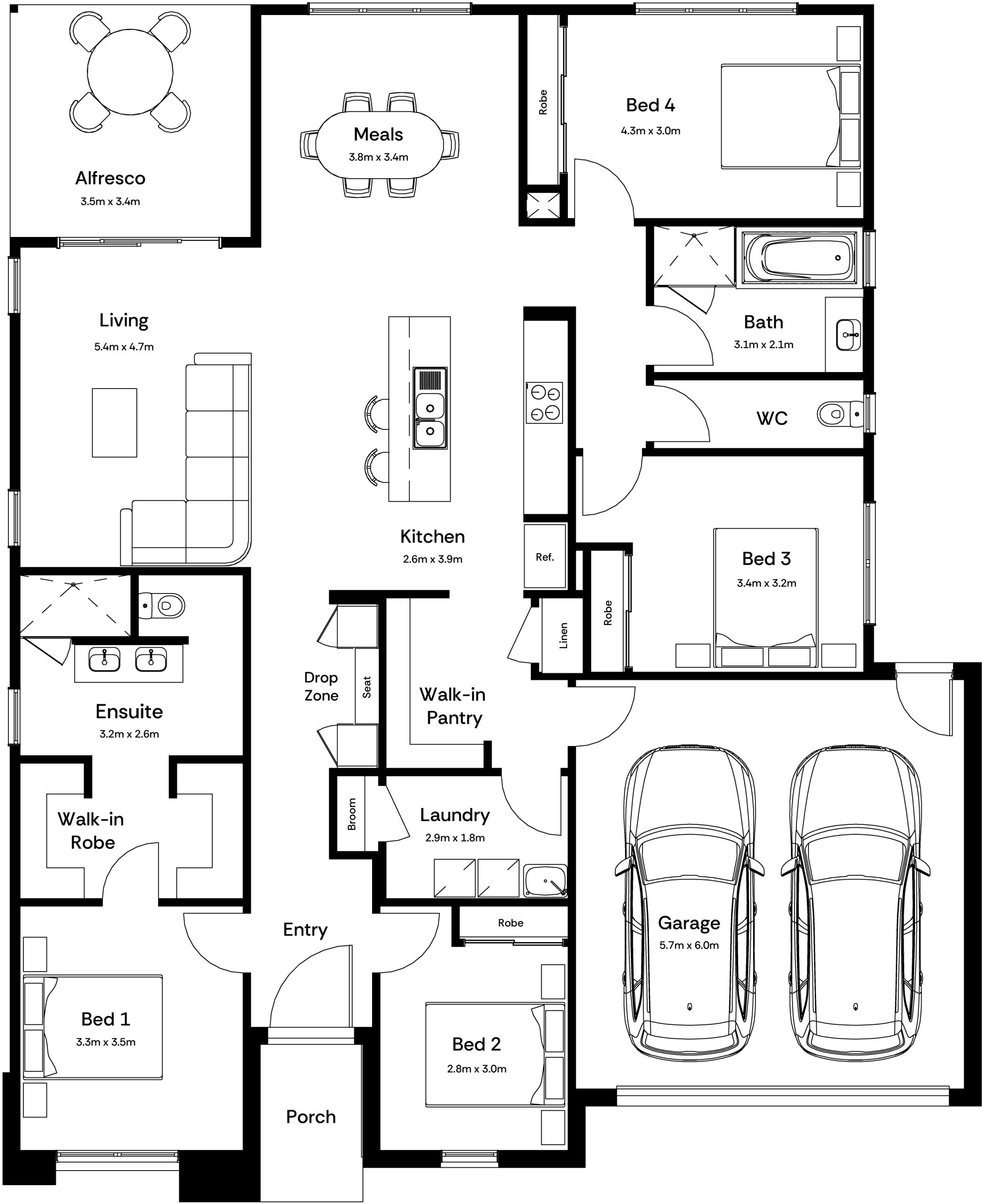
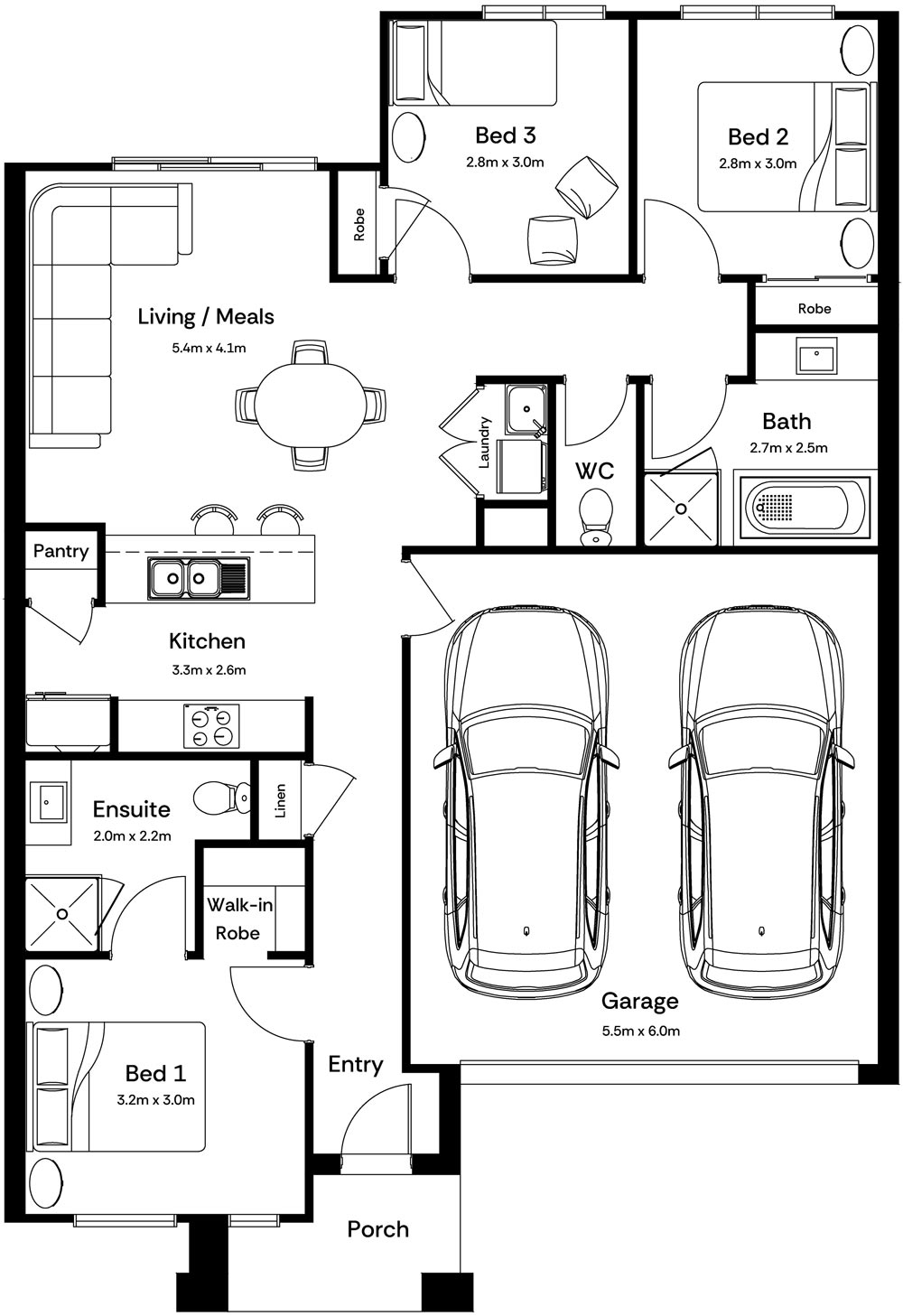
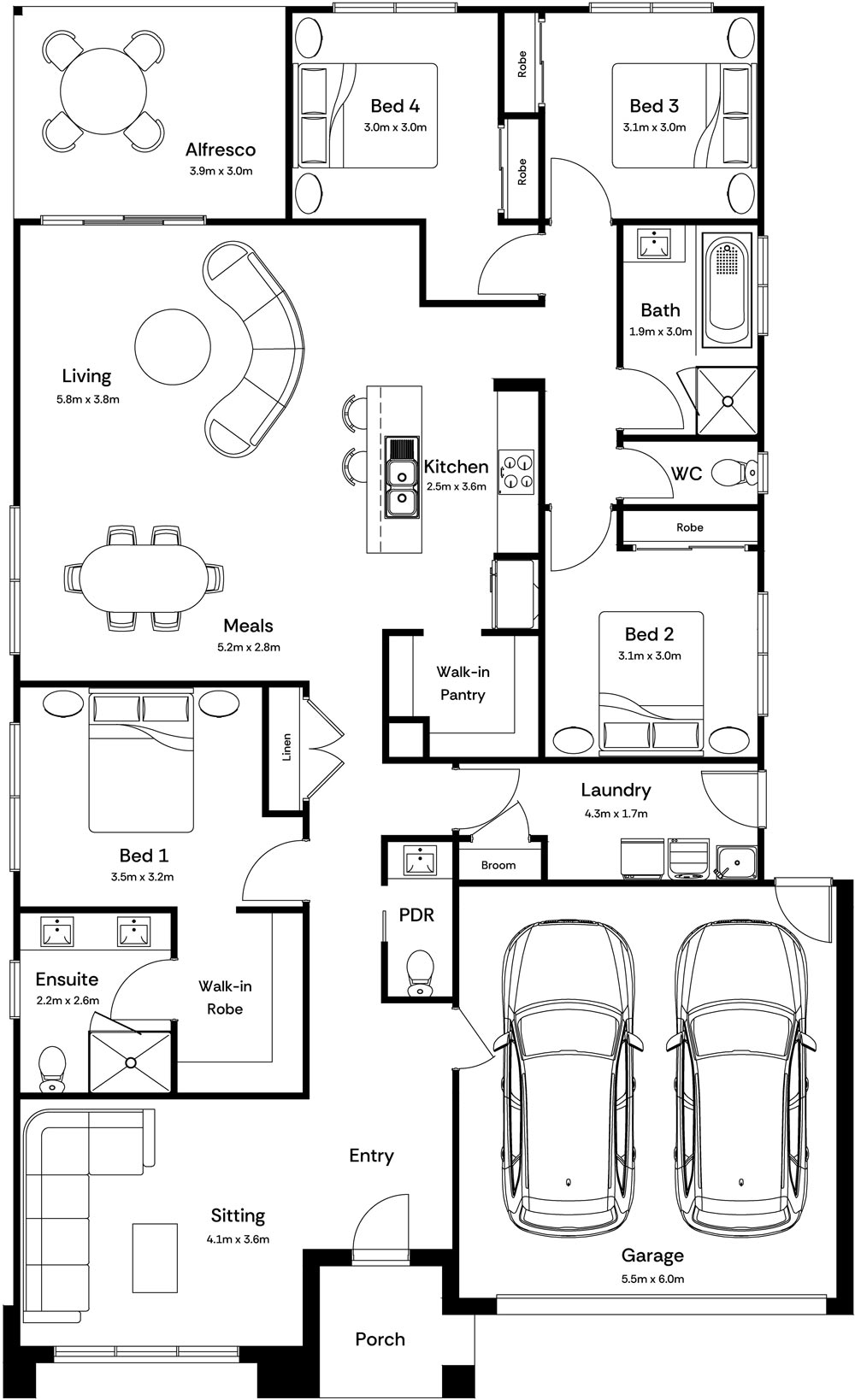
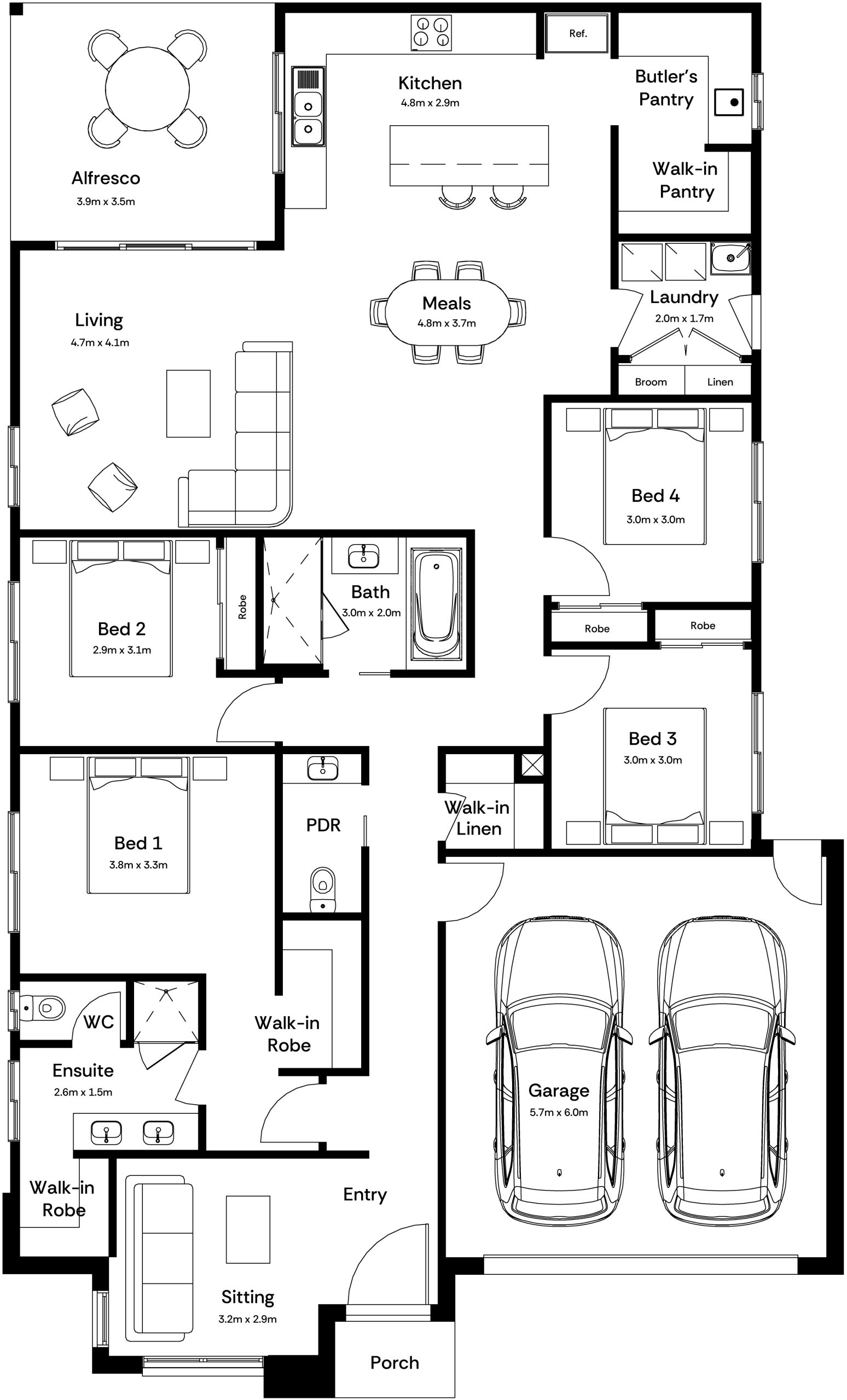
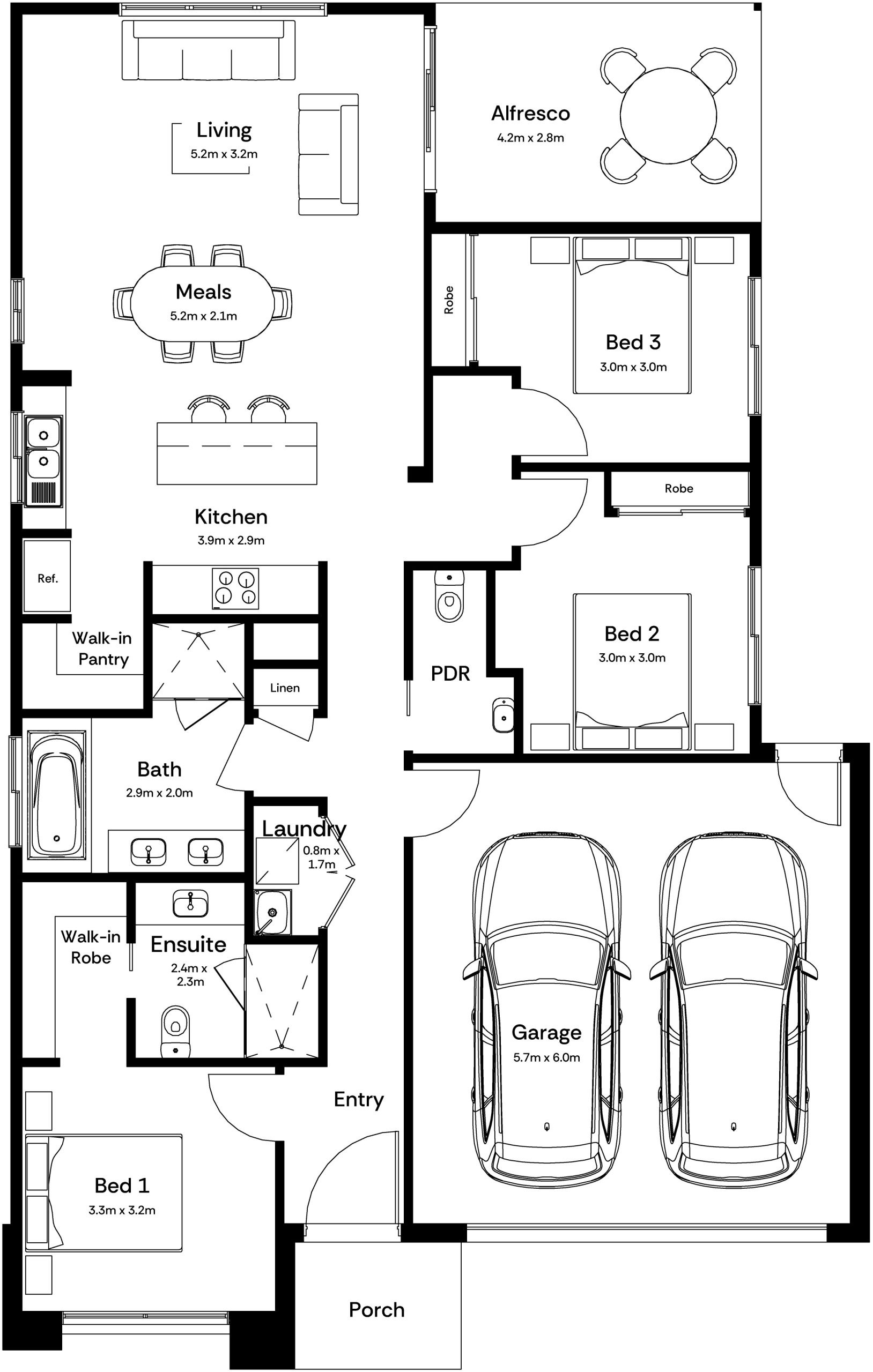
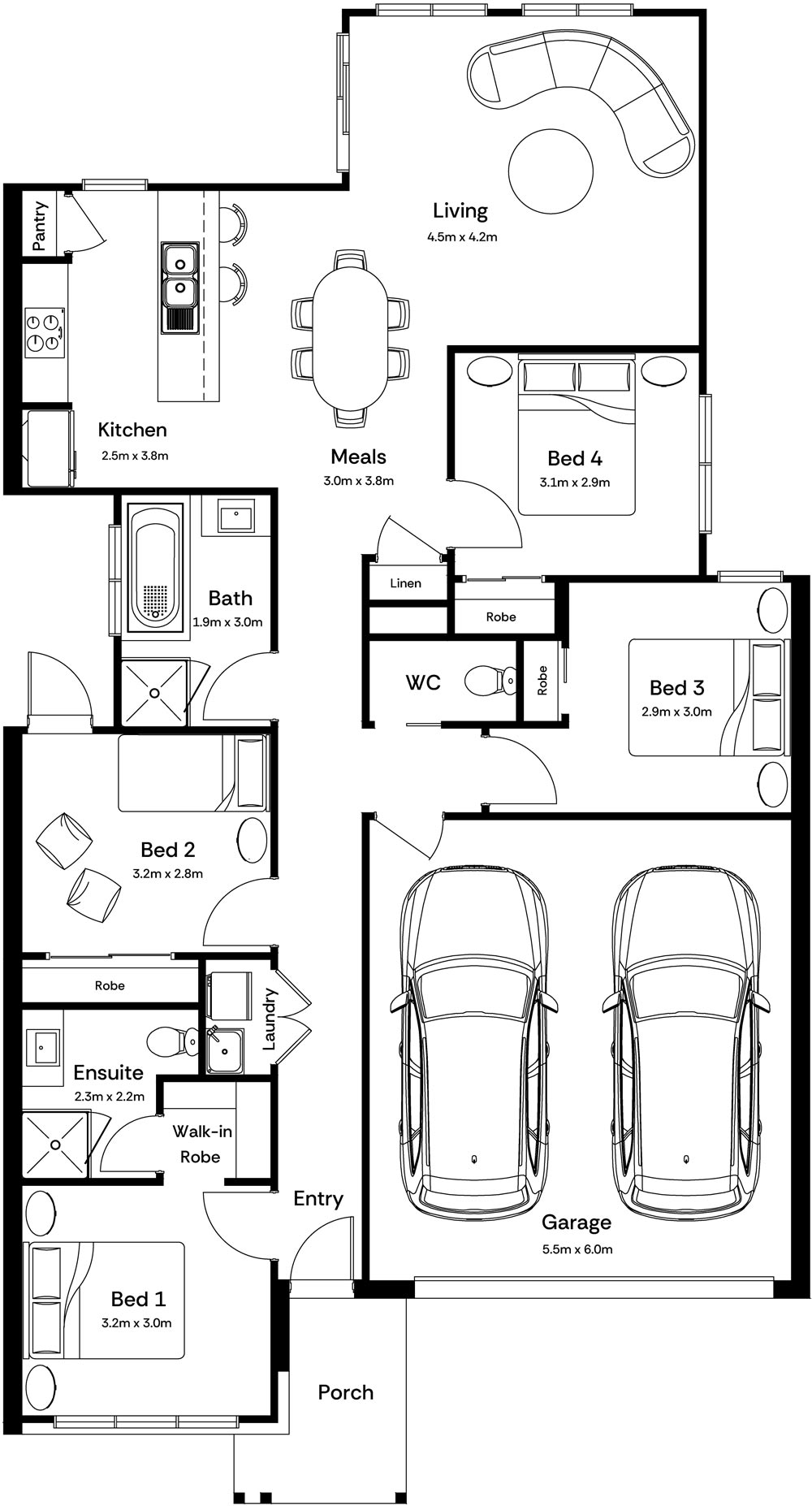
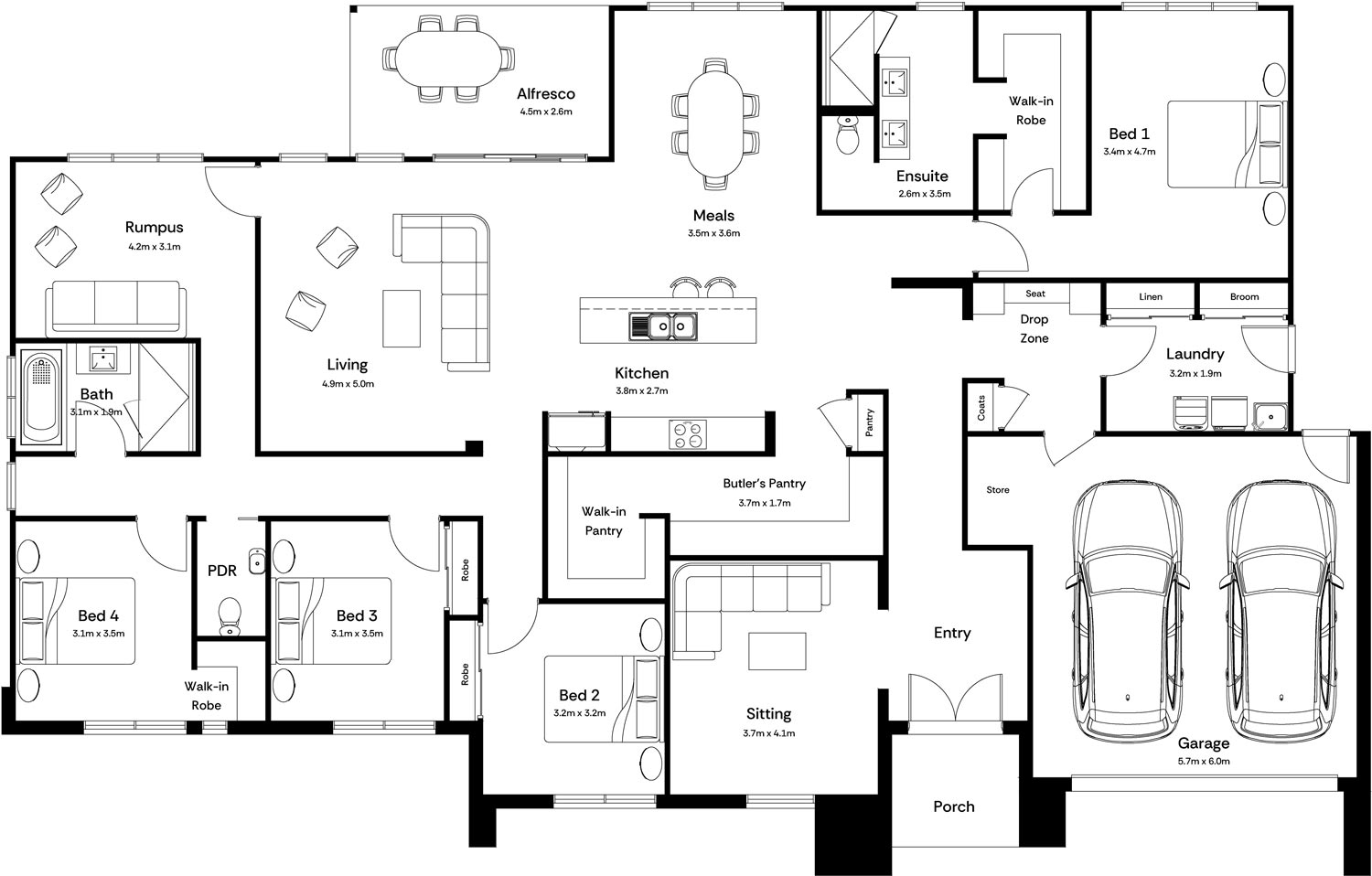
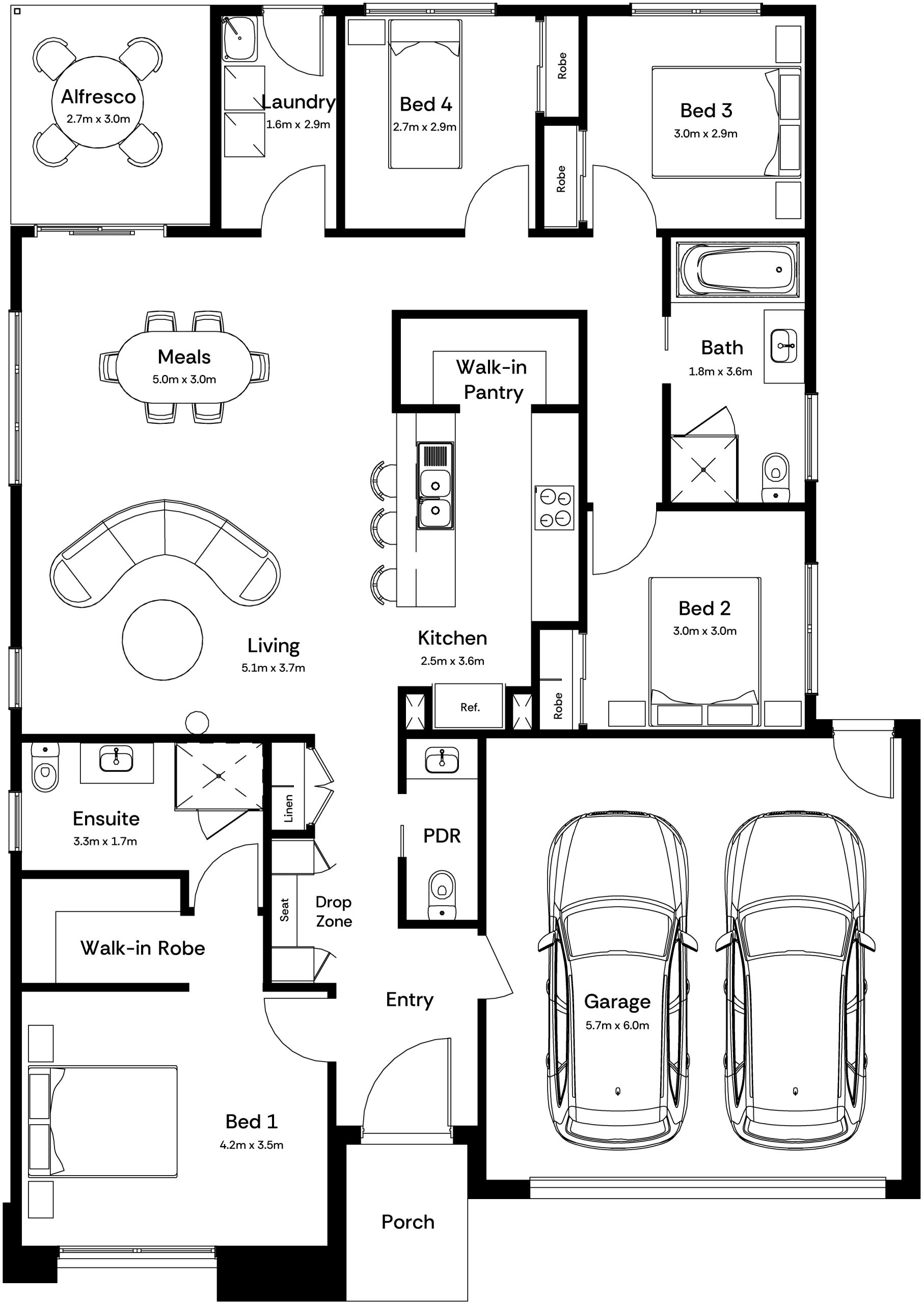
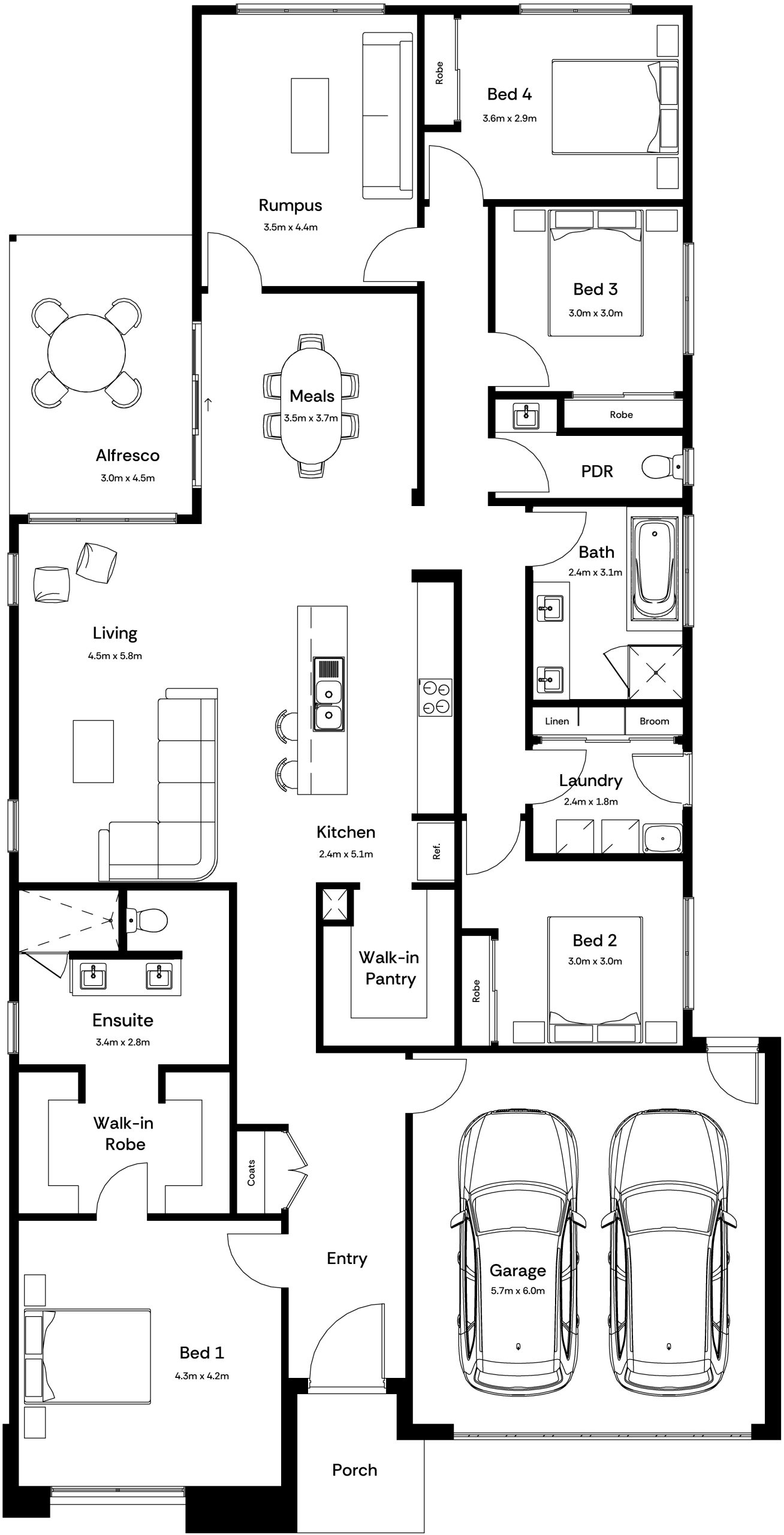
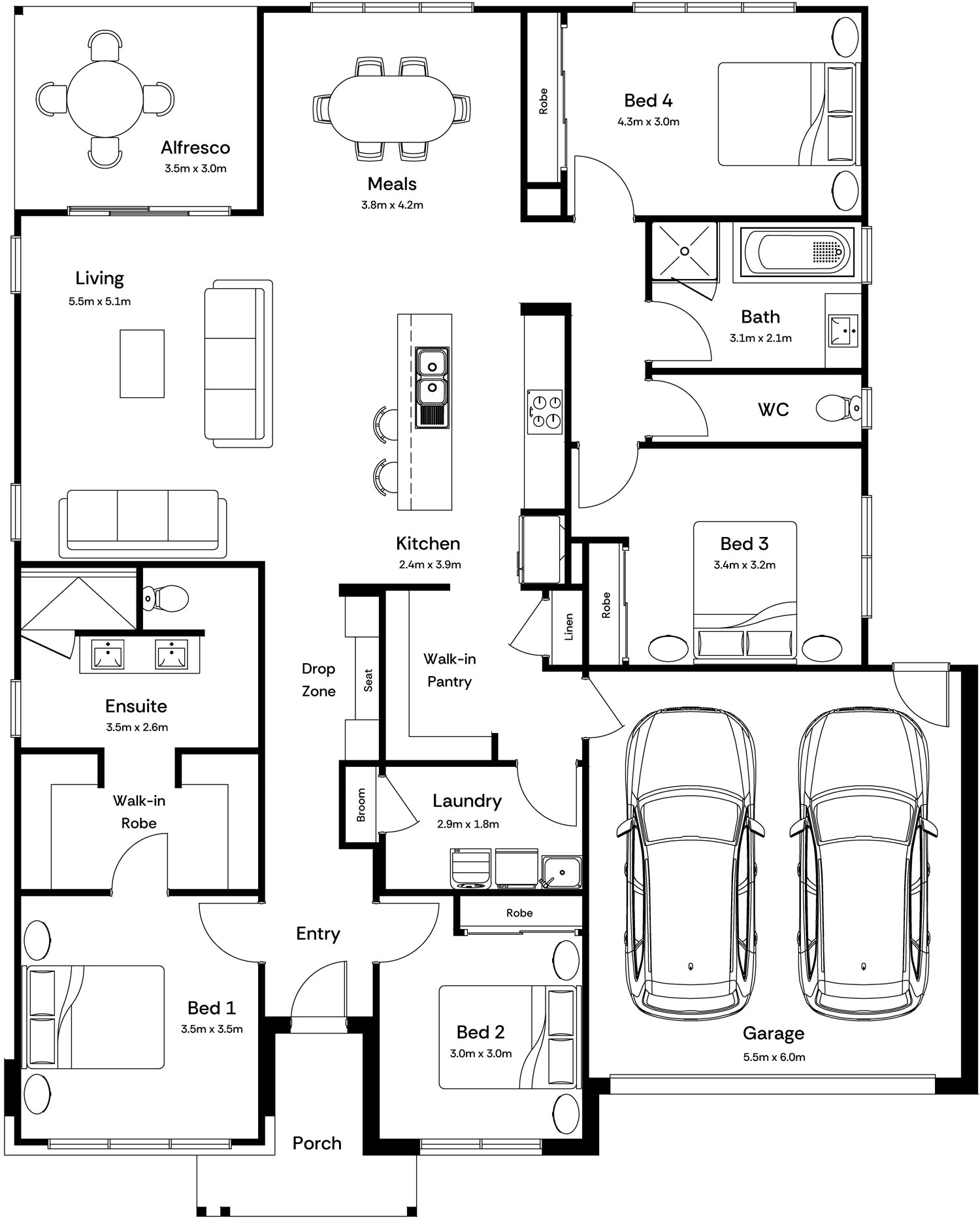
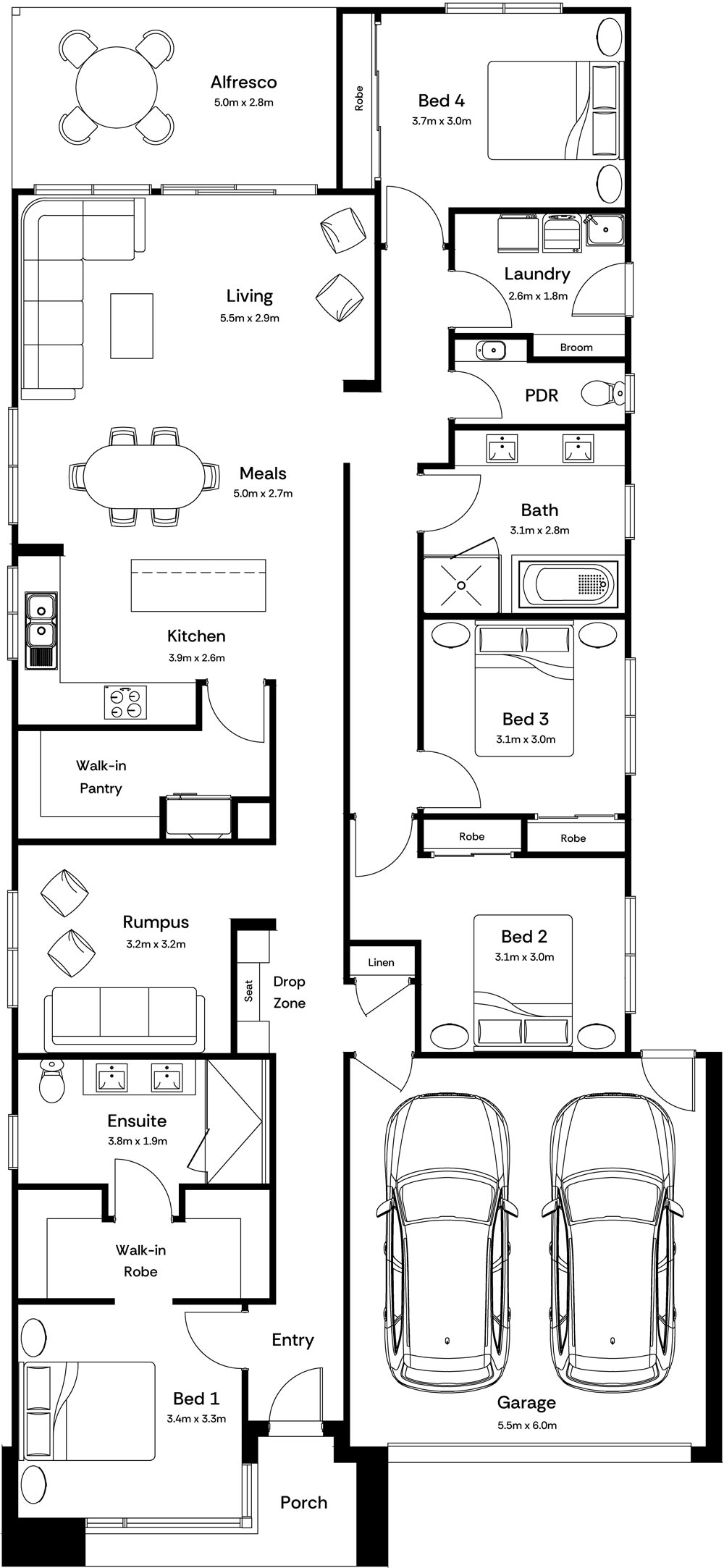
Two blocks within the same estate can give you very different options depending on their size, shape, width, orientation and site conditions.
Block size and lot width
Check both the overall land size and the width of the block.
Lot width can determine which home designs will fit while still meeting setback and other requirements.
If you already have a floorplan in mind, check its block requirements before purchasing the land.
Block shape
A regular rectangular block will often give you more straightforward home-design options than an unusually shaped site.
That does not make an irregular block a bad choice, but you should understand how its shape may affect the home before you commit.
Orientation
Think about which direction the block faces and how the home could be positioned on it.
Orientation can affect natural light, outdoor areas and how different rooms feel throughout the day.
Slope
A sloping block may require additional site works or a home design better suited to the land.
Before choosing it purely because the land price looks attractive, understand what the slope could mean for the build.
Check easements, covenants and other restrictions
Land can have restrictions that affect where or what you can build.
Depending on the property, these may include:
An easement, for example, may prevent you from building over part of the block.
Your conveyancer or solicitor can help you understand the contract and title, while your builder can help you work out whether anything about the site affects the home you want to build.
It is much easier to find this out before buying the block than after.
Read the estate design guidelines
Many new estates have their own design guidelines or covenants.
These are generally intended to create a consistent look across the community, but they can also affect some of the choices you can make with your home.
Guidelines may cover things such as:
If you already love a particular home design or facade, make sure it can meet the estate requirements.
Otherwise, you could end up choosing between the block you have bought and the home you actually wanted.
Check services and connections
Find out what services are available to the block and whether there are any additional requirements or costs associated with connecting them.
Depending on the location, this can include:
In a new estate these services will usually form part of the development, but it is still worth confirming what applies to the particular block rather than assuming everything is identical across the estate.
Understand the site conditions
The land itself can affect what it costs to build.
Things that may influence site works or construction requirements include:
This is why a cheaper block is not always the cheaper block.
Before committing to land, it is worth getting your builder involved so you can understand how the site may affect the home and overall cost.
Check flood, bushfire and planning information
Depending on where the estate is located, the block may be affected by planning or environmental considerations.
Flood risk, bushfire requirements and other planning controls can influence how a home needs to be designed or built.
The exact information available and the rules that apply differ by location, so check the relevant government and council information and make sure you understand anything that affects the property.
If you are unsure what something means, ask your conveyancer, solicitor or builder before signing.
There are no bonus points for pretending you know what a planning overlay is.
Find out when the land will title
Land advertised in a new estate is not necessarily ready to build on straight away.
If the block is untitled, ask when the developer expects the land to title.
This matters because you generally cannot move through the full building process until the land is ready, and delays to title dates can happen.
Think about how the timing fits with:
If timing is particularly important to you, comparing titled or soon-to-title land with later releases can help.
Understand the full cost of the block
The advertised land price is only one part of what the site could cost you.
Before deciding that one block is better value than another, understand whether it may involve additional costs because of:
Comparing land and home together can give you a much better idea of the overall picture than choosing the cheapest block first and worrying about the home later.
Think about what the estate will be like while it grows
If you buy into an early stage of a new estate, you may be moving into a community that still has years of development ahead of it.
That can mean new parks, shops and infrastructure gradually appearing around you. It can also mean construction traffic, empty neighbouring blocks and parts of the estate that are not finished yet.
Look at:
Some people love moving into a community early and watching it take shape. Others would rather move somewhere that already feels established.
Neither is automatically better.
Visit the estate in person
Estate websites and masterplans are useful, but they cannot tell you everything.
Spend some time in the area before making your decision.
Drive through the surrounding suburbs, visit the local shops, look at the roads you will use and see how far the places you care about actually feel.
If possible, visit at different times of day.
You might discover that an area you had barely considered feels perfect. You might also discover that the ten-minute drive advertised online appears to have been calculated at 3 am.
Compare more than one estate
If you have a few options within the same general area, compare them side by side.
Look at:
There is rarely one estate that wins on every point. The goal is to work out which combination matters most to you.
Should you choose the estate or the home first?
Either approach can work, but eventually the home and land need to work together.
If location is your biggest priority, you might choose an estate first and then look for home designs that suit the available blocks.
If you already know the type of home you want, understanding its lot width, size and site requirements can help you narrow down suitable land.
For many first home buyers, comparing the home and block together is the easiest way to avoid falling in love with one only to discover it does not work with the other.
Questions to ask before buying land in a new estate
Before signing a land contract, ask:
If there is something in the contract, masterplan or land information that you do not understand, ask before you sign.
New estate FAQs
What should I look for when buying land in a new estate?
Look at the broader location, existing and planned amenities, the estate masterplan, developer, block dimensions, orientation, slope, title timing, design guidelines, easements, site conditions and the full cost of building on the land.
Most importantly, make sure the block works with the type of home you want to build.
Is buying land in a new estate good for first home buyers?
It can be.
New estates can provide access to vacant land, new-home opportunities and communities that are continuing to develop. Whether an estate suits you will depend on your budget, commute, preferred home and what you want nearby.
What is a masterplanned estate?
A masterplanned estate is a residential community planned as a larger development, often incorporating housing alongside parks, shops, schools, roads and other community infrastructure.
These features may be delivered gradually as different stages of the estate are developed.
What are estate design guidelines?
Design guidelines are requirements set by the estate developer that can influence the appearance and design of homes within the community.
They may cover things such as facades, colours, materials, landscaping, fencing, garages and setbacks.
Should I buy titled or untitled land?
Titled land is generally further along and can allow you to move towards building sooner, subject to finance, contracts and other requirements.
Untitled land may give you access to upcoming estate releases, but the expected title date should fit with your plans and timing can change.
What is an easement on a block of land?
An easement gives someone else certain rights over part of the land, often for infrastructure or services.
It can affect where you are able to build, so check whether any easements apply to a block before purchasing it.
Can I choose any home design for a new estate?
Not necessarily.
The home needs to suit the block dimensions and site conditions as well as council, planning and estate requirements. Checking the home and land together before purchasing can help you understand what will work.
What should I check before signing a land contract?
Make sure you understand the title status, block dimensions, easements, covenants, developer guidelines, planning requirements, site conditions and any other restrictions that could affect what you can build.
Have the contract reviewed by an appropriately qualified professional before signing.
Still working out where to build?
Start with the areas that make sense for your budget and everyday life, then compare the estates, blocks and home options available within them.
You do not need to find the perfect estate on your first search. You just need to know what is worth checking before you choose one.
Important information
Information on this page is general in nature and does not take into account your personal circumstances or the requirements of a particular property. Planning controls, developer requirements, title conditions, easements, covenants, site conditions, environmental requirements and building requirements can vary by property and location and may change over time. Have relevant contracts and property information reviewed by an appropriately qualified professional and check current government, council and developer requirements before making property or building decisions.
Information last reviewed: August 2026.