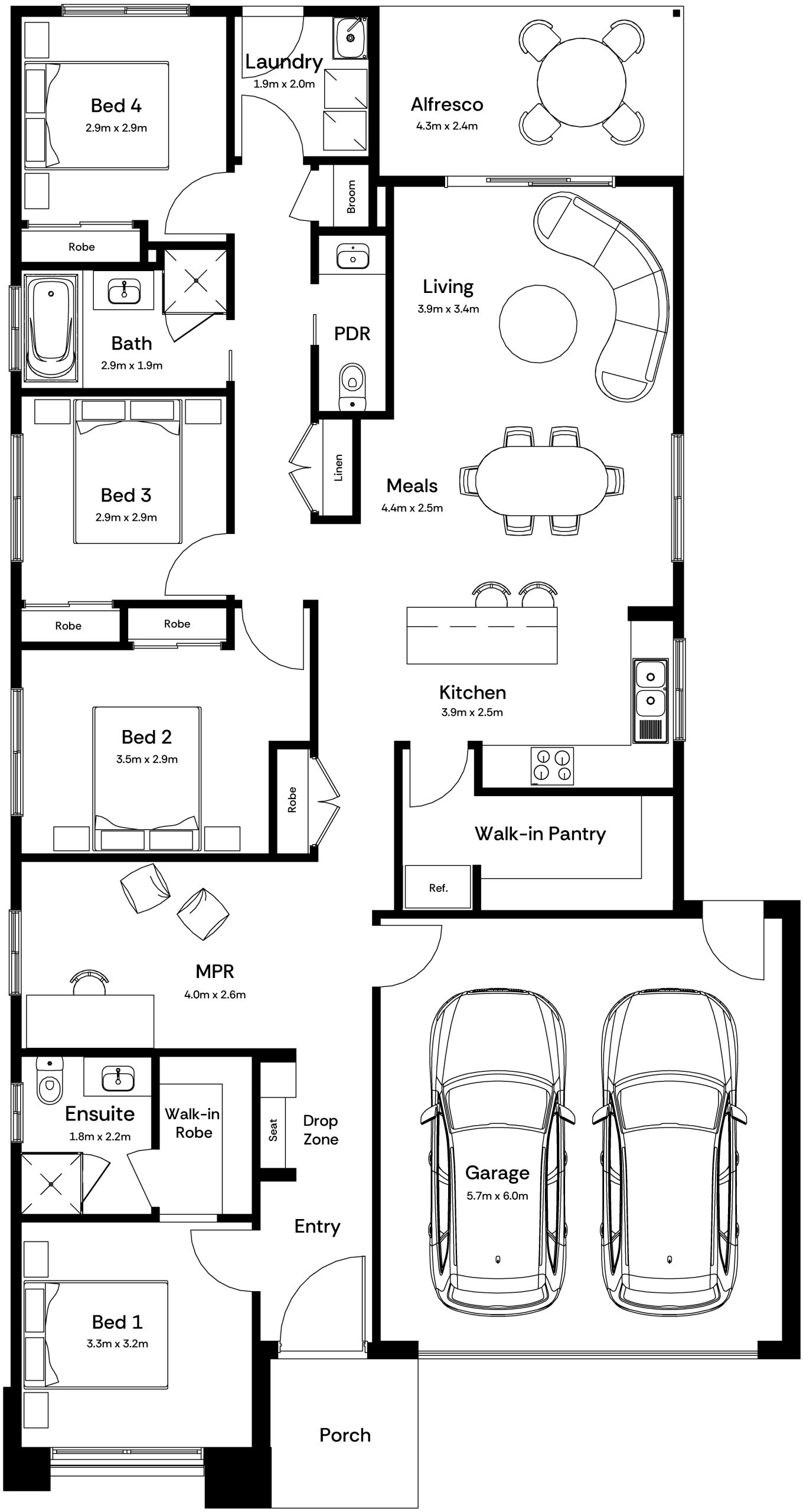
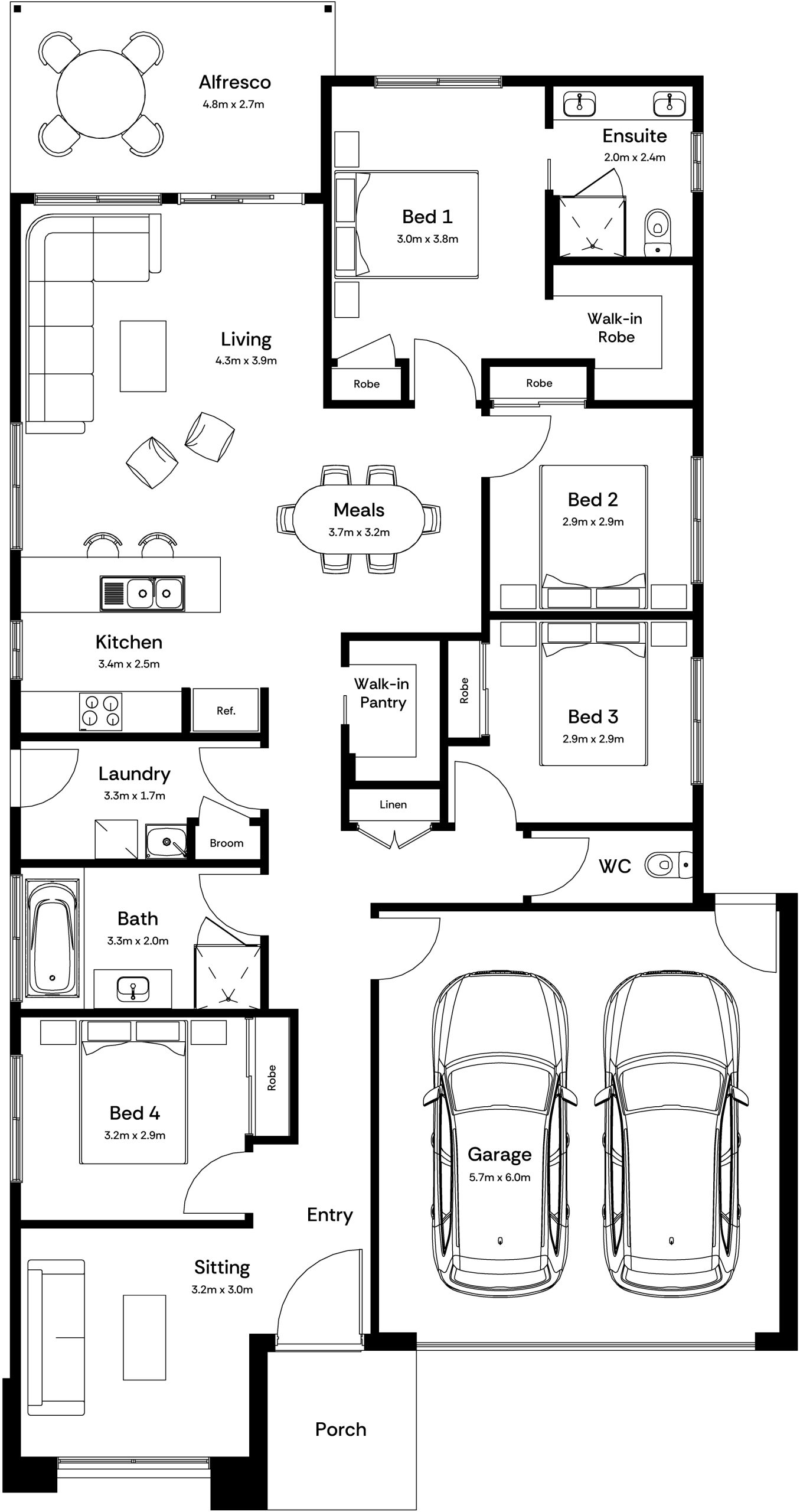
Buying new vs. established: which is right for your first home?
Buying your first home is a huge moment. It’s exciting, a little nerve-wracking, and somewhere along the way you’ll hit one of the biggest forks in the road: do you buy an established home that someone’s lived in before, or build something brand new that’s all yours from day one?
There’s no single right answer here. Only the right answer for you. So let’s untangle it together with the honest pros and cons so you can make a call you feel good about.
Start with your why
Before you compare floorplans or scroll through listings at midnight, it helps to get clear on what you actually want from this home.
Are you planning to settle in for the long haul and raise a family? Are you chasing a specific suburb close to work, family, or a good school? Is this a stepping stone, or your forever place? Do you want to move in next month, or are you happy to wait a little for something made exactly the way you like it?
Your answers shape everything. So keep them in mind as we go.
Building a brand new home
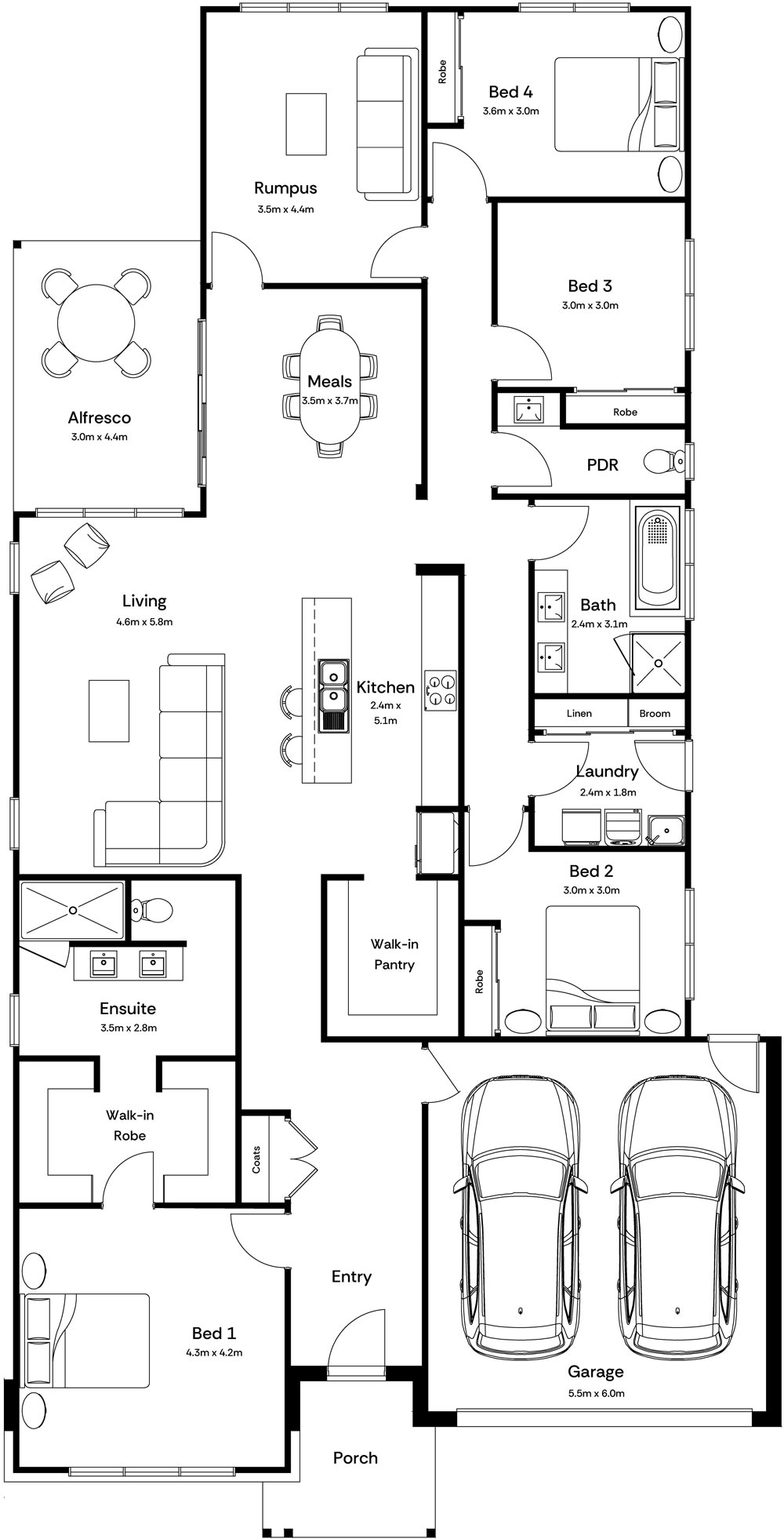
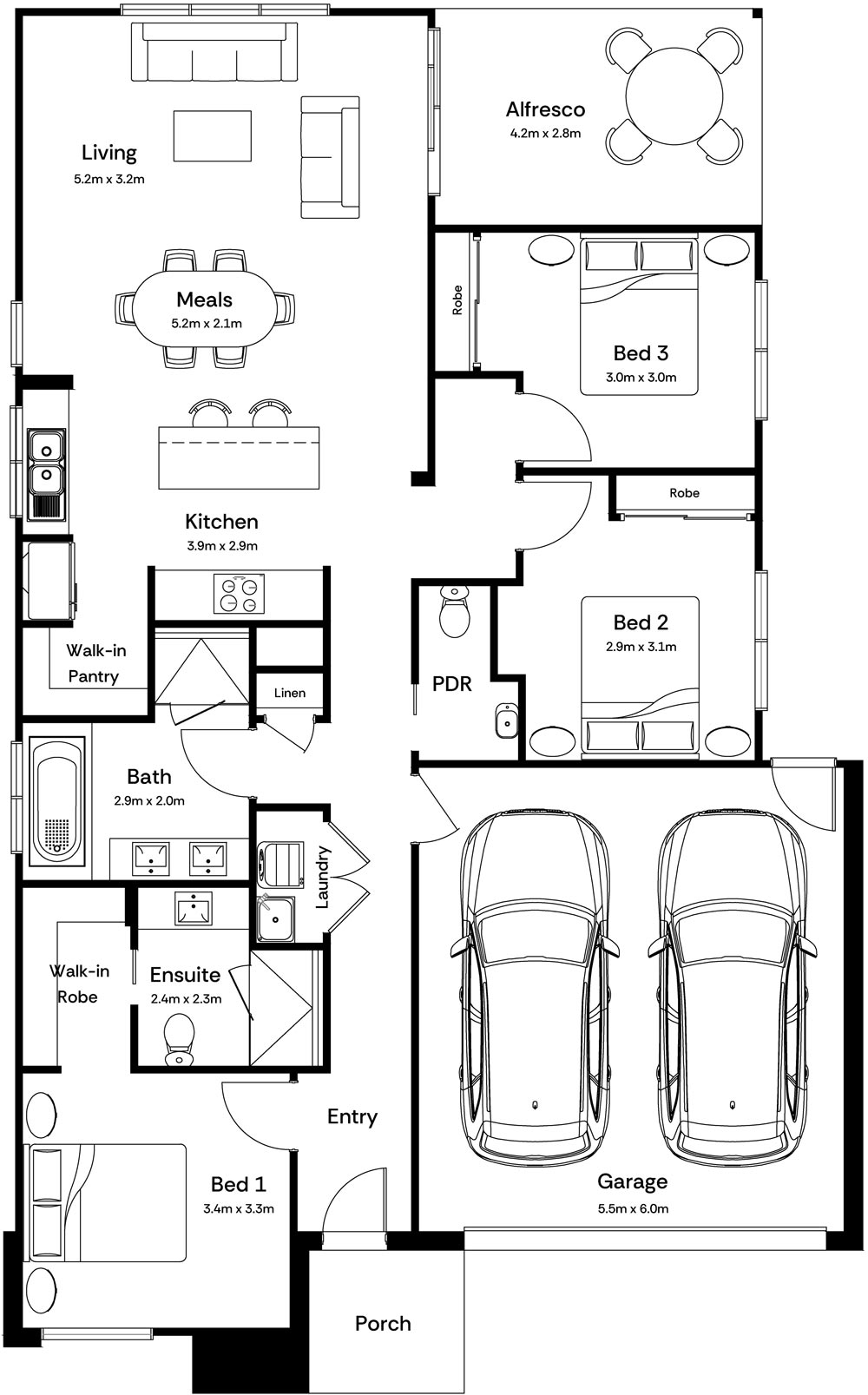
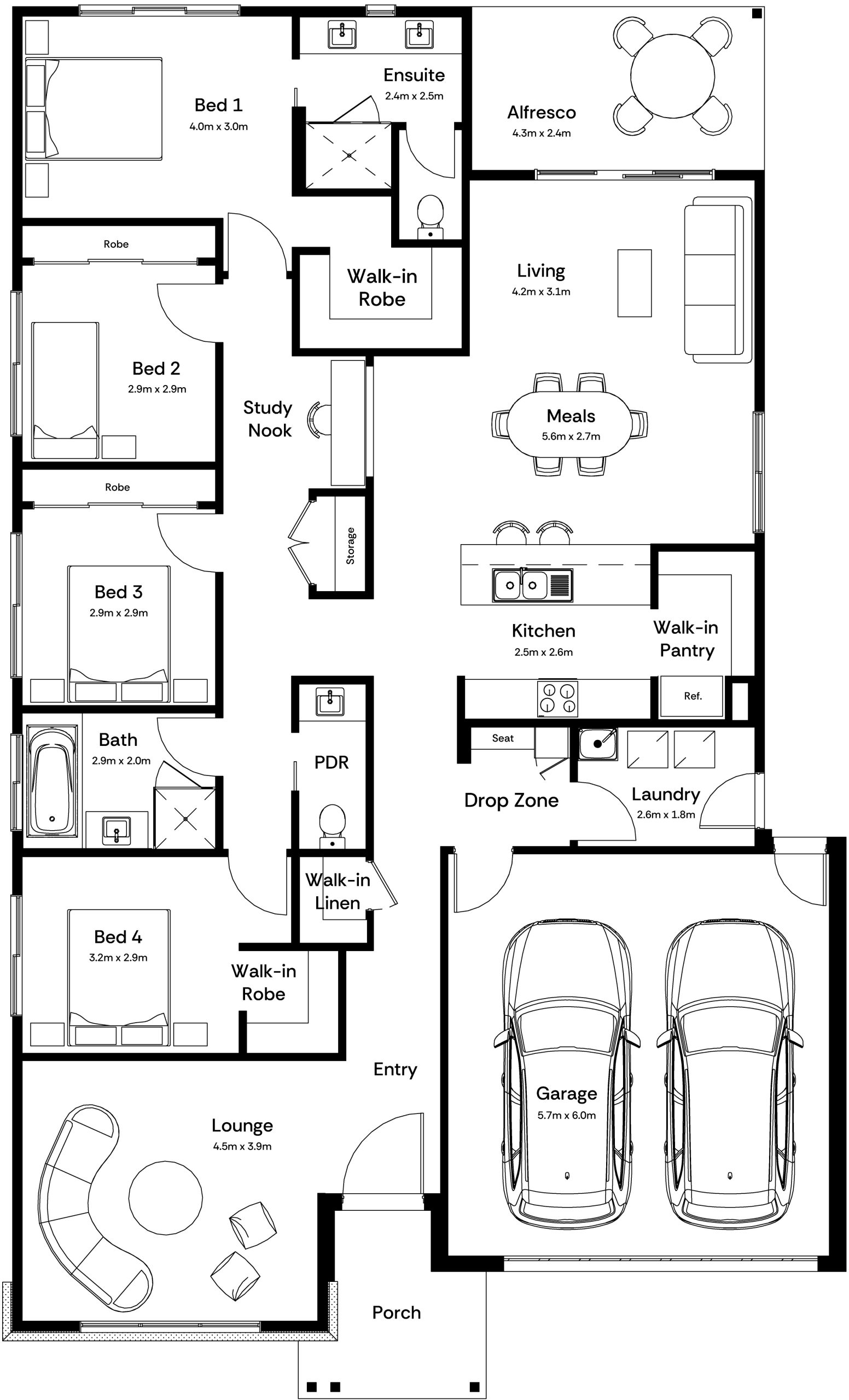
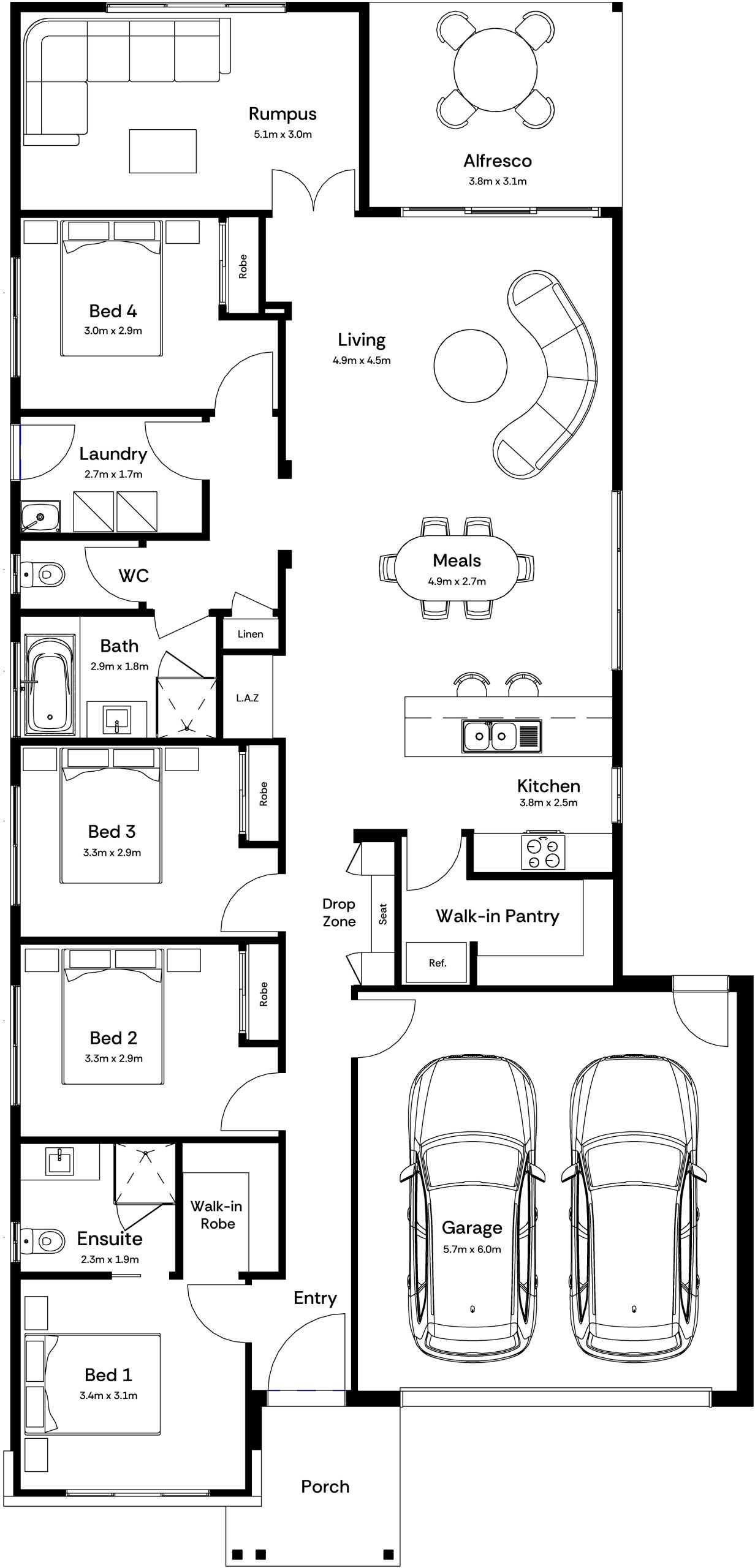
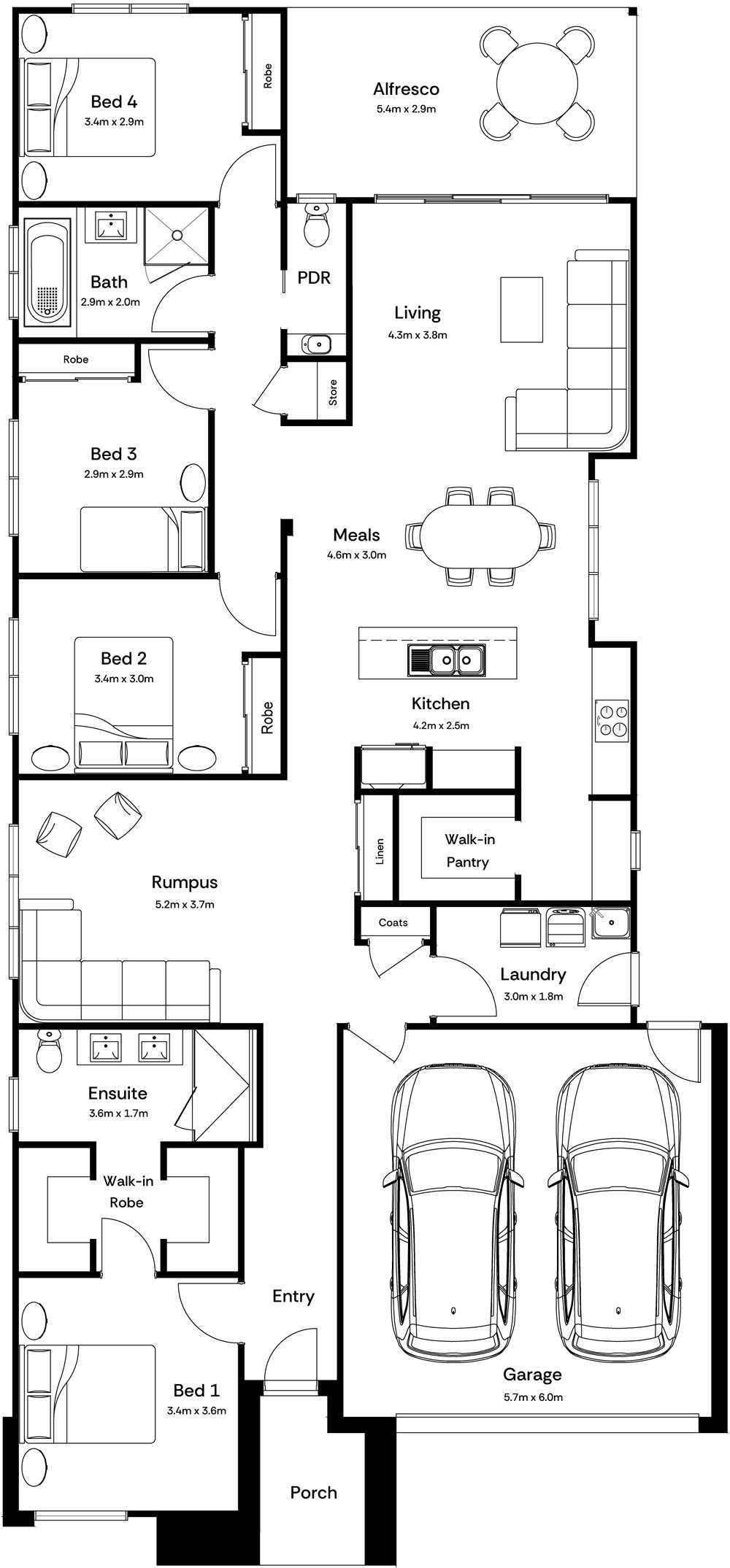
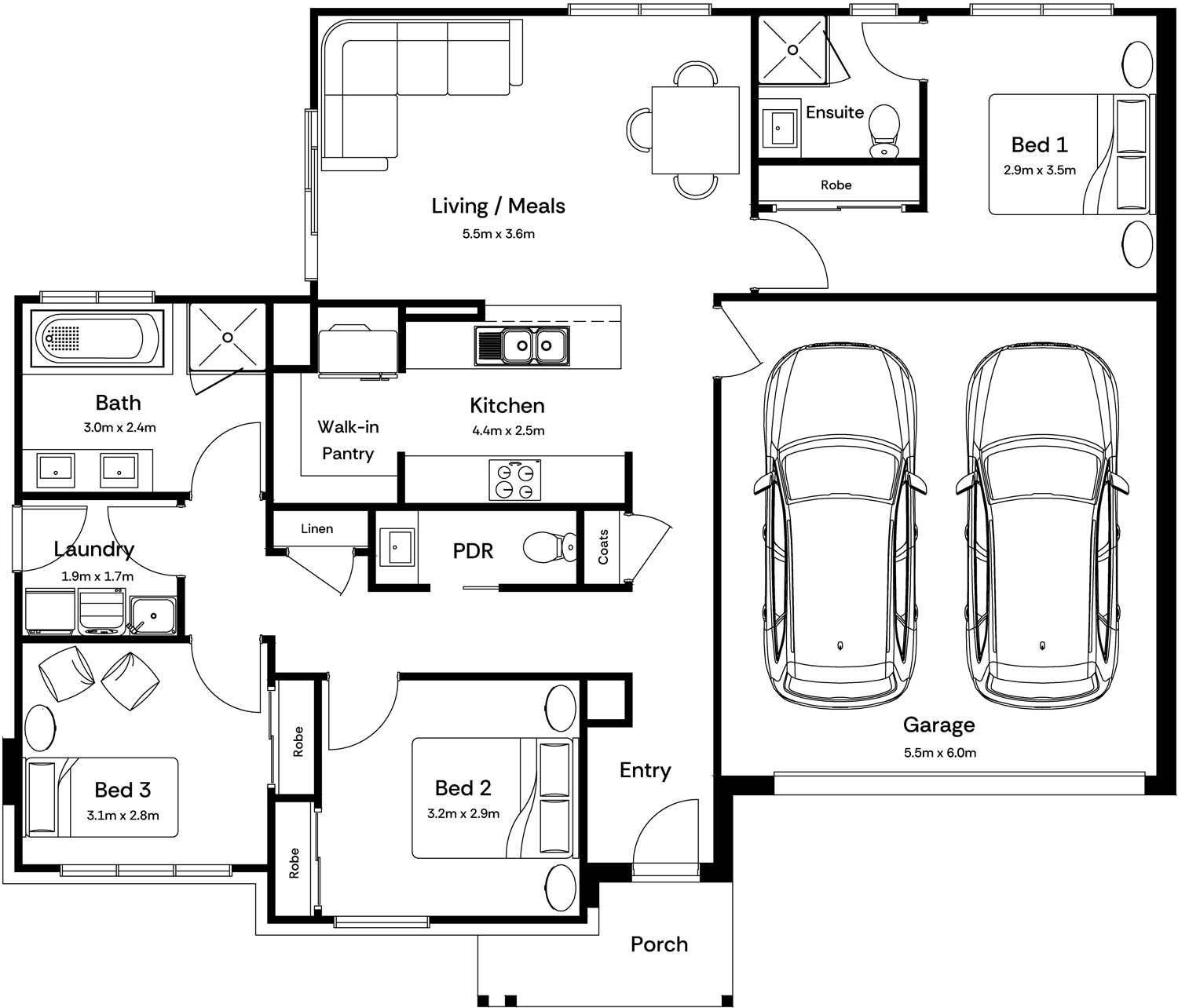
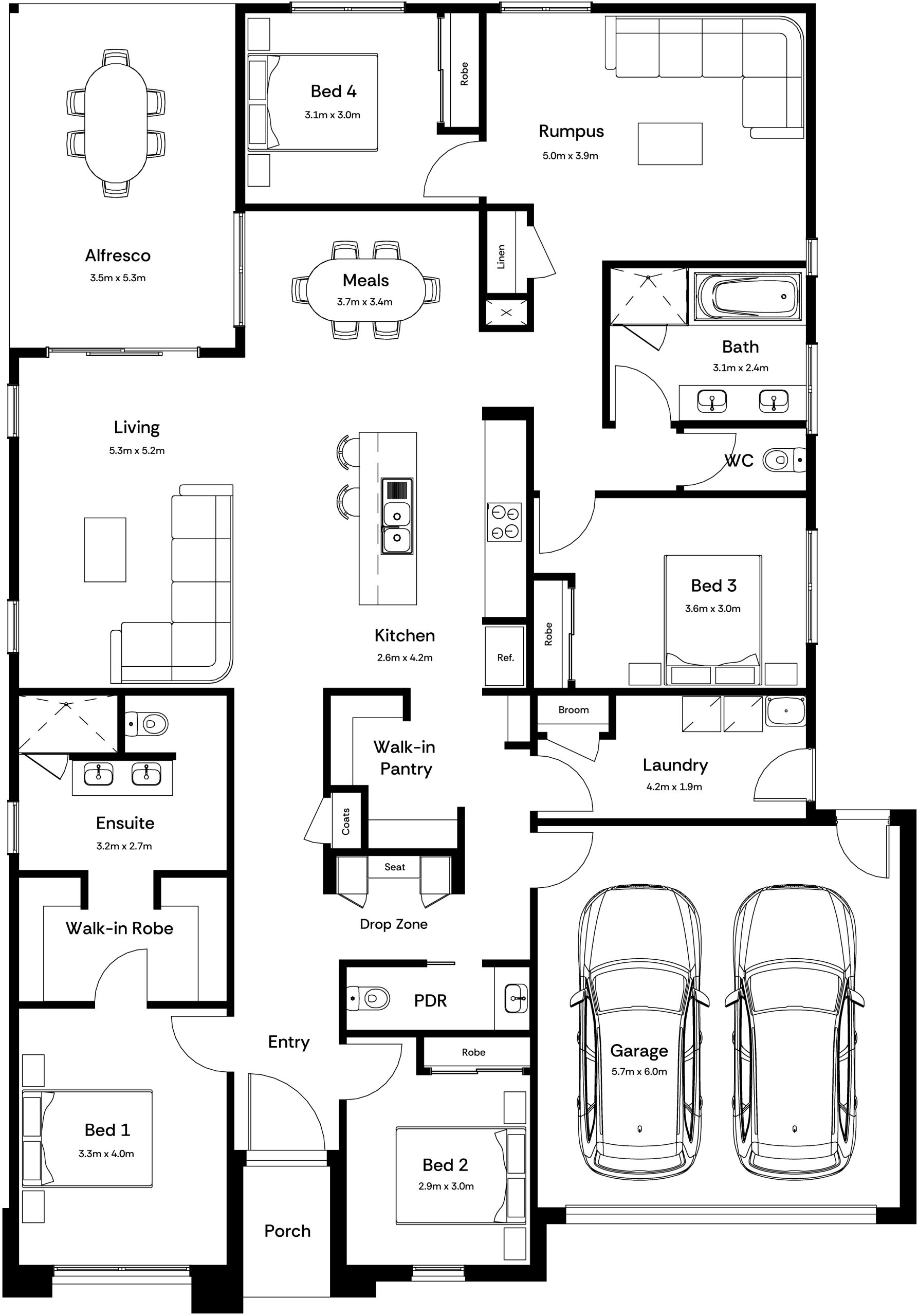
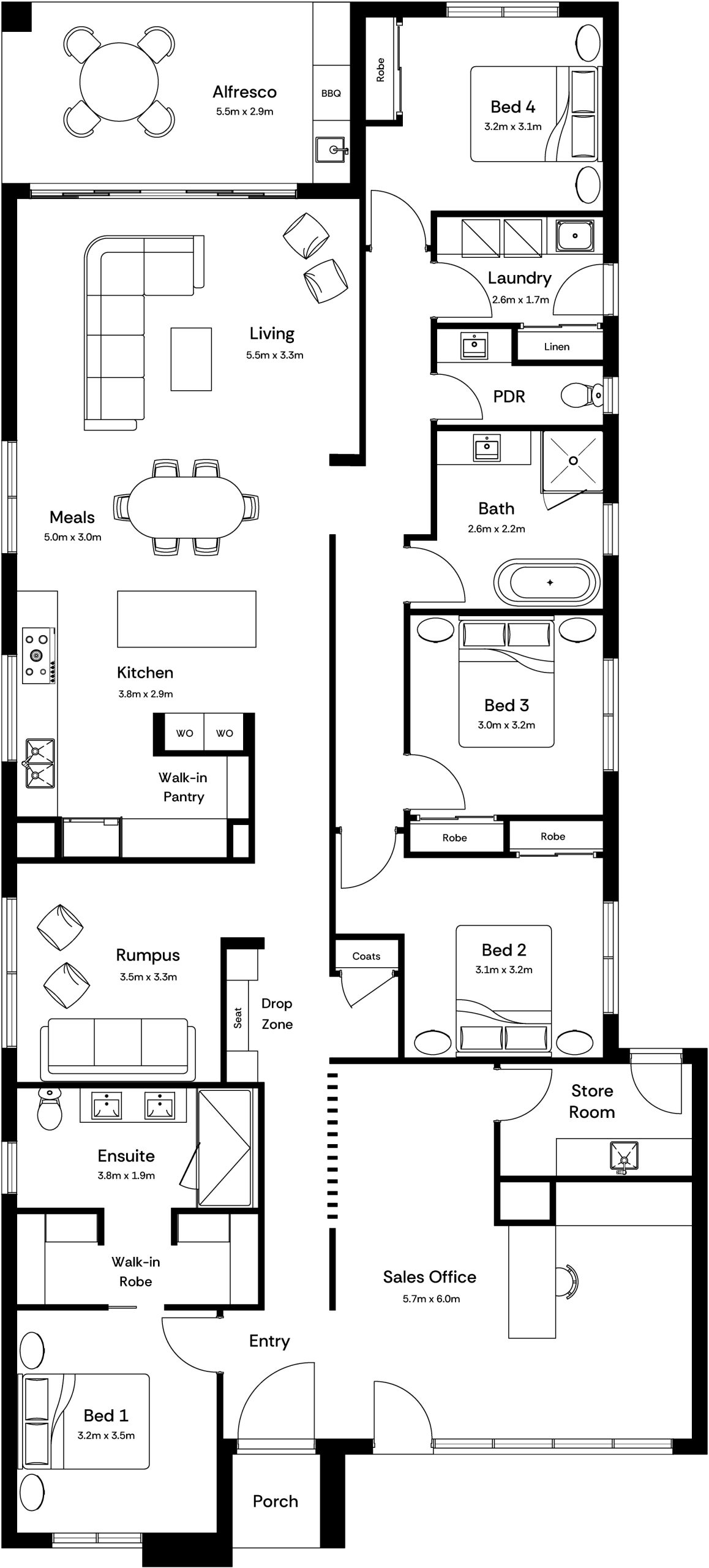
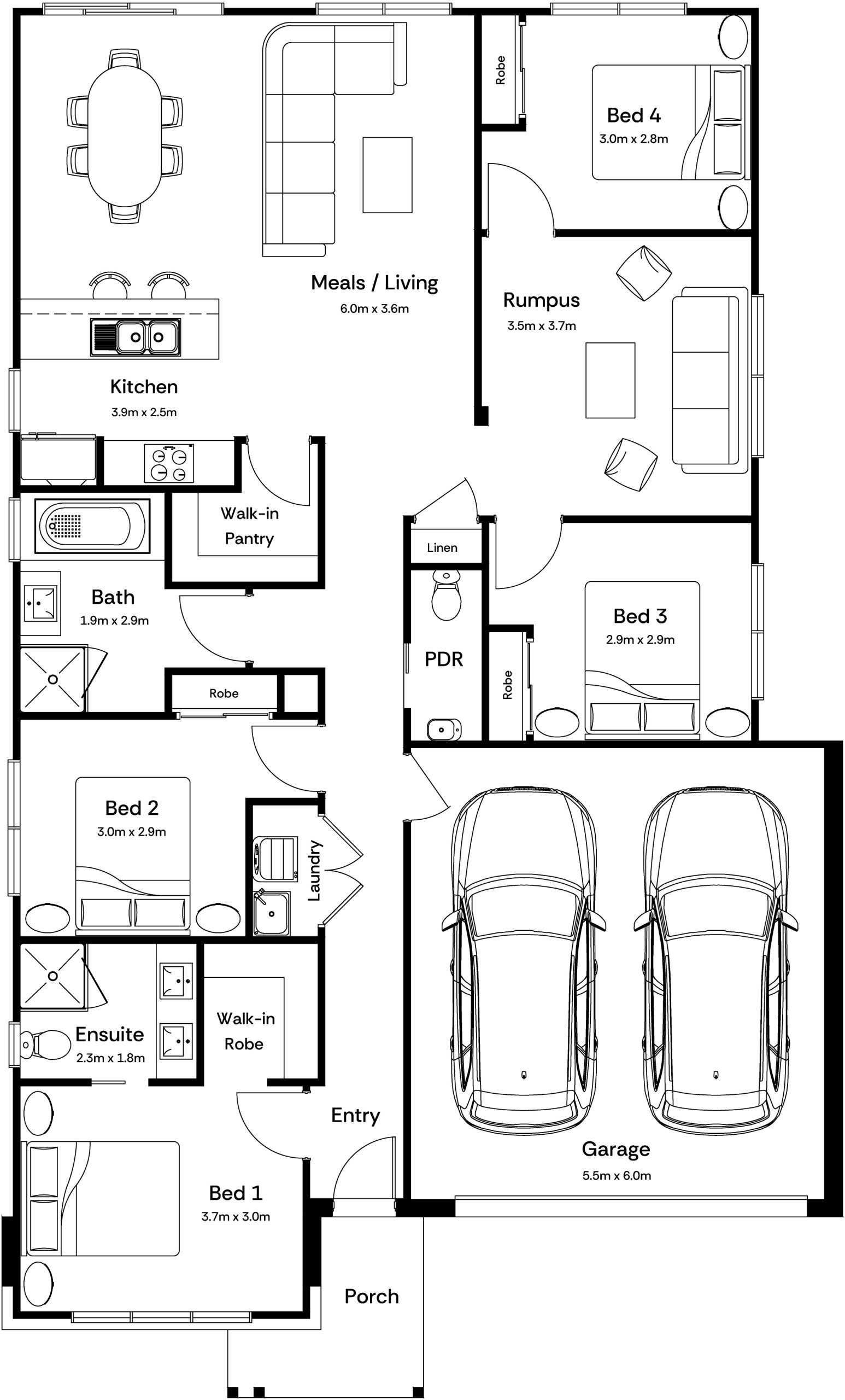
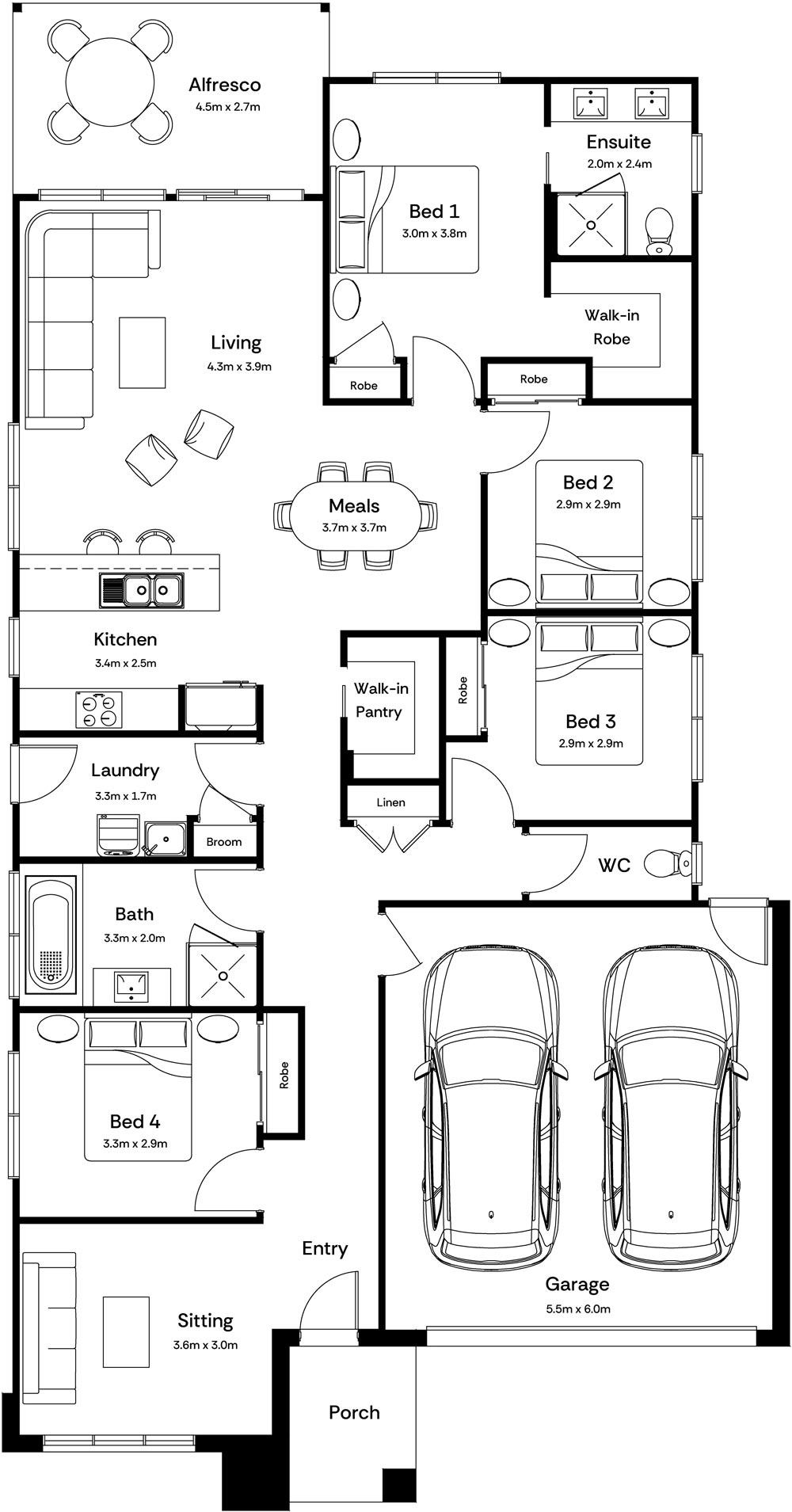
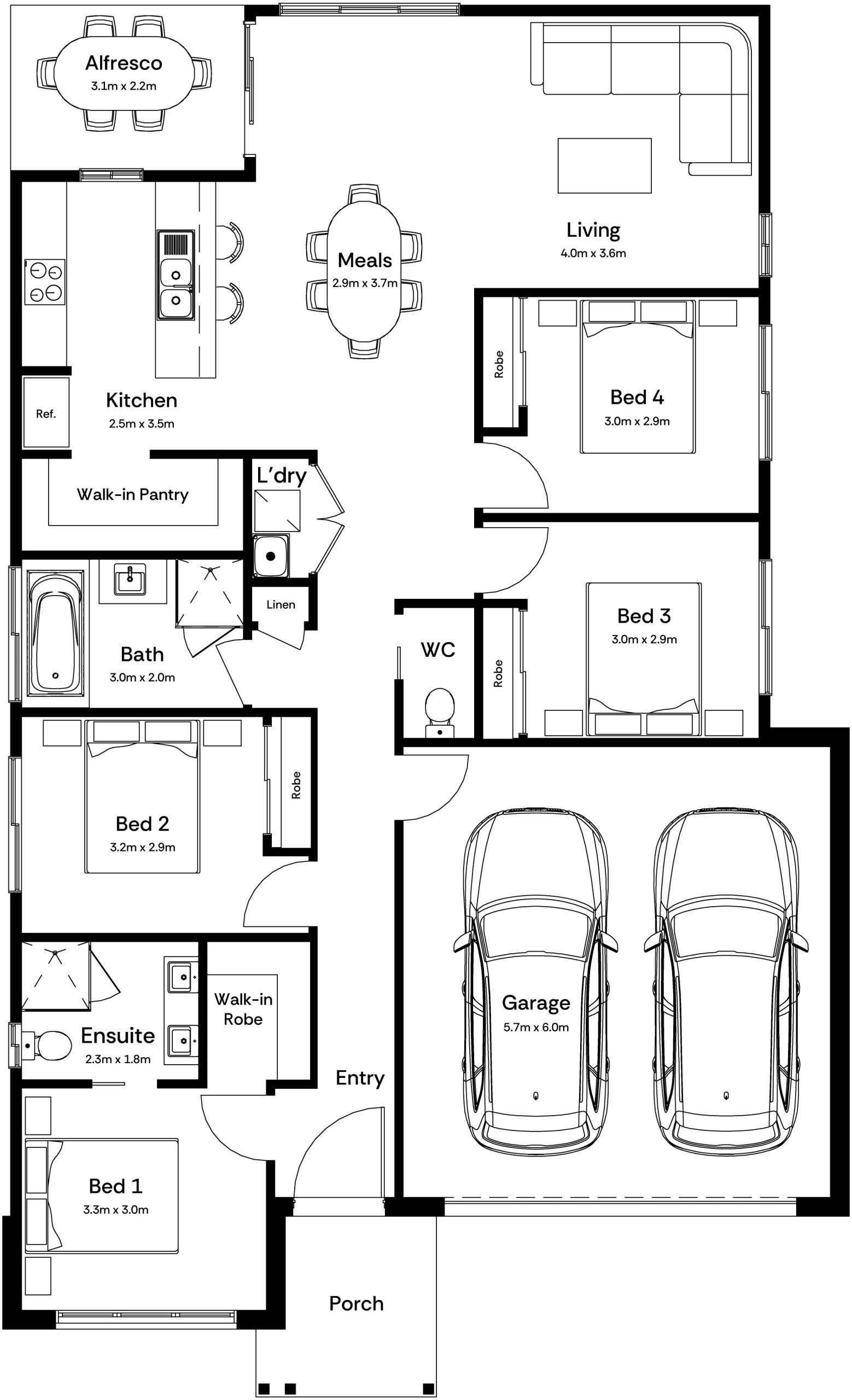
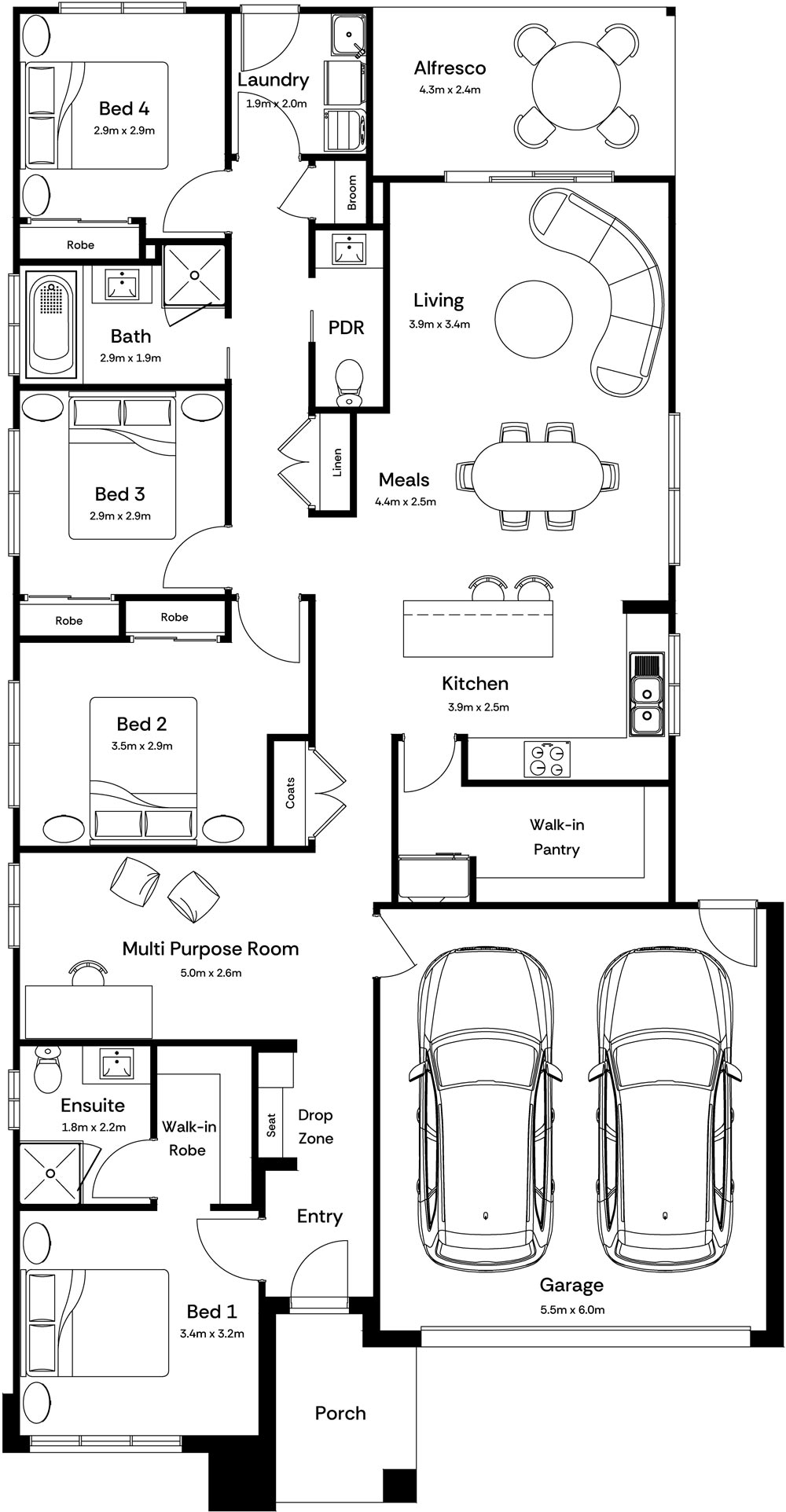
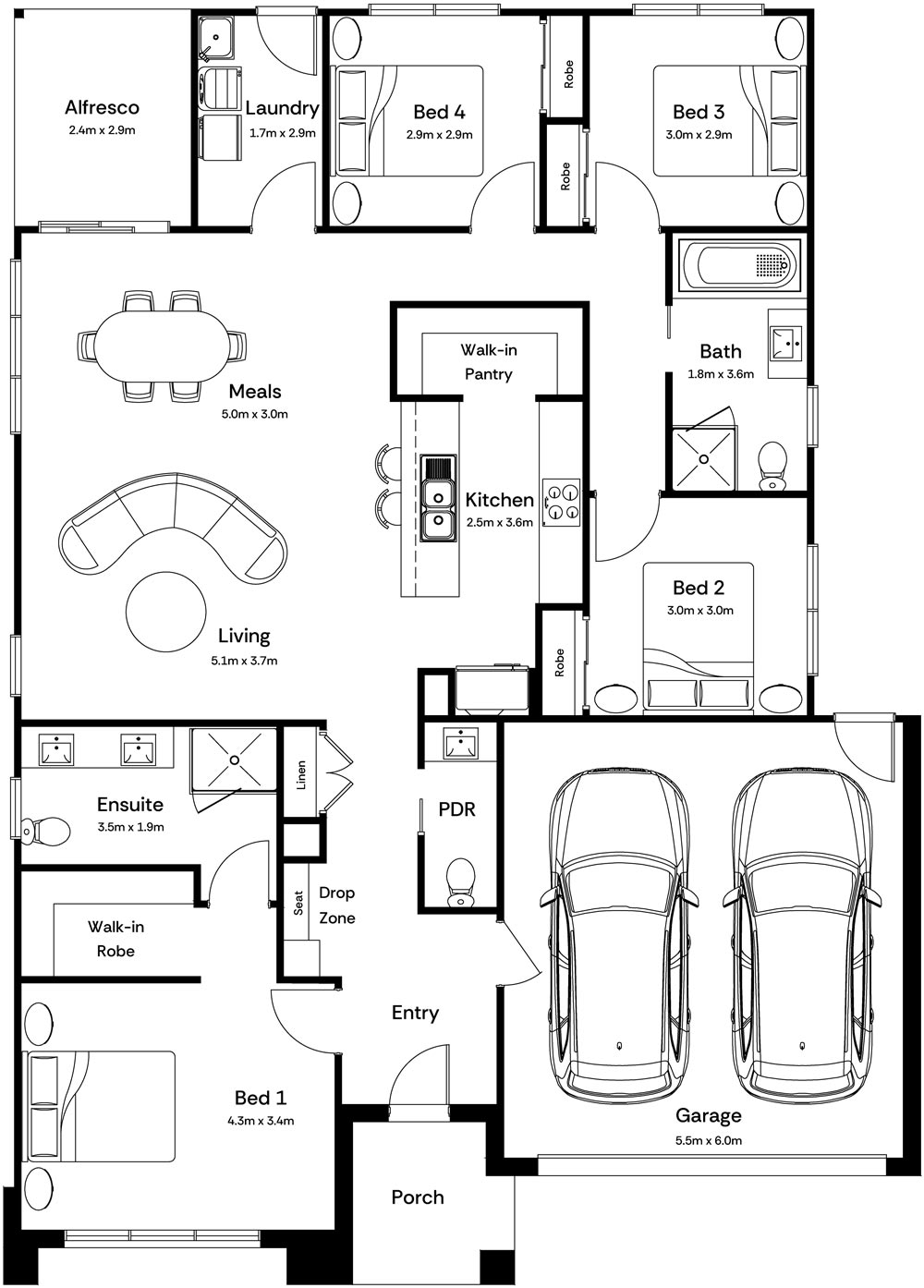
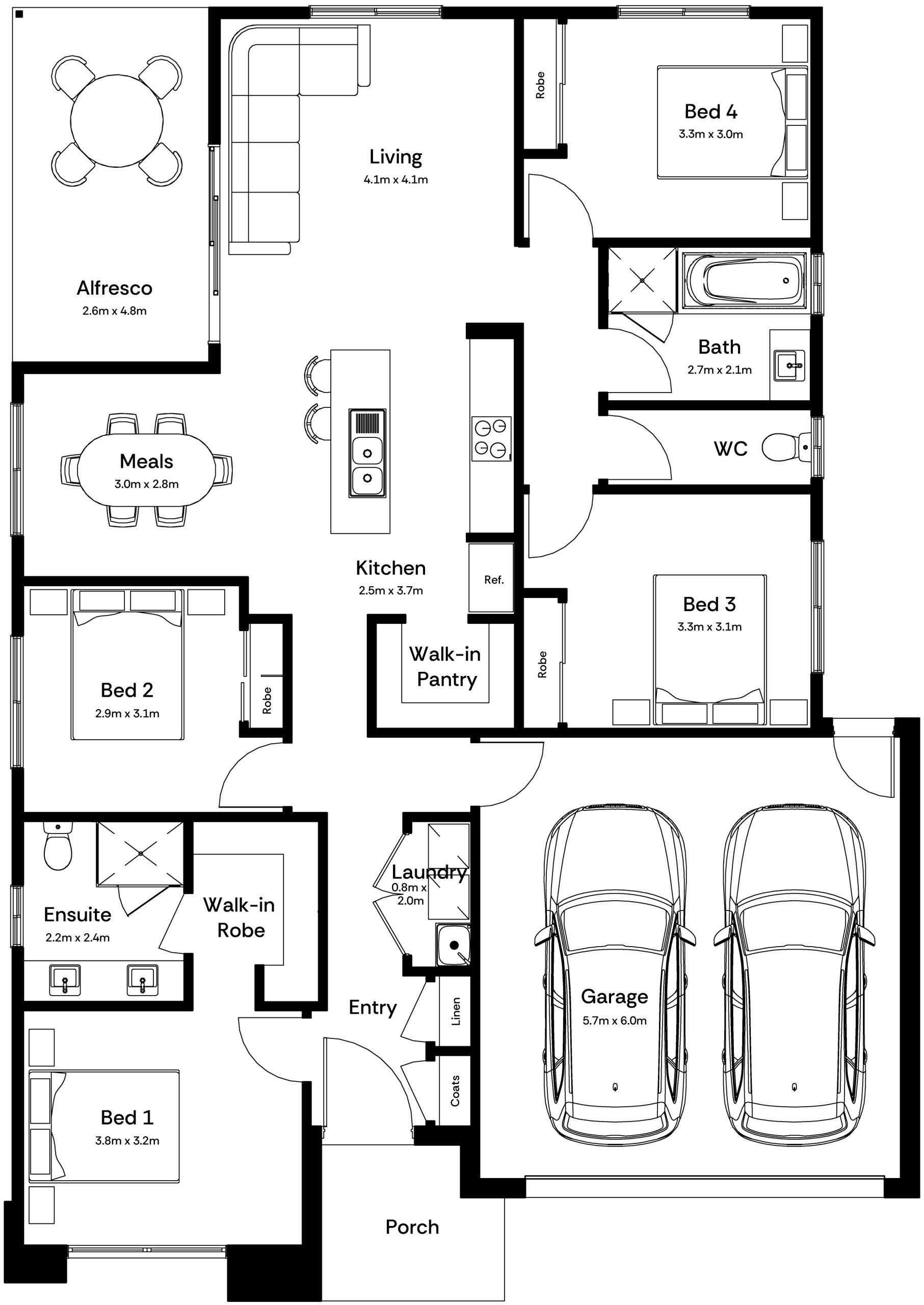
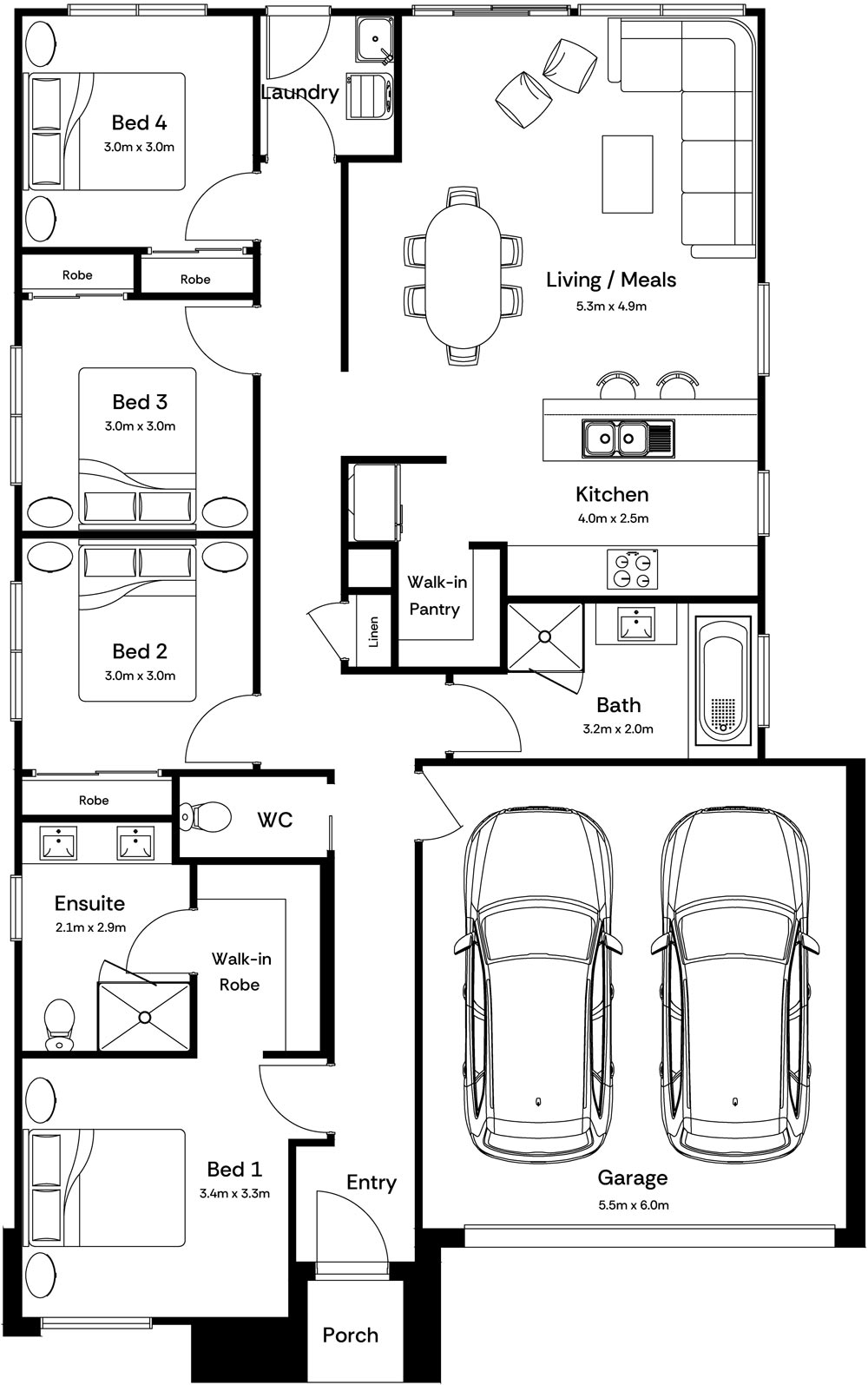
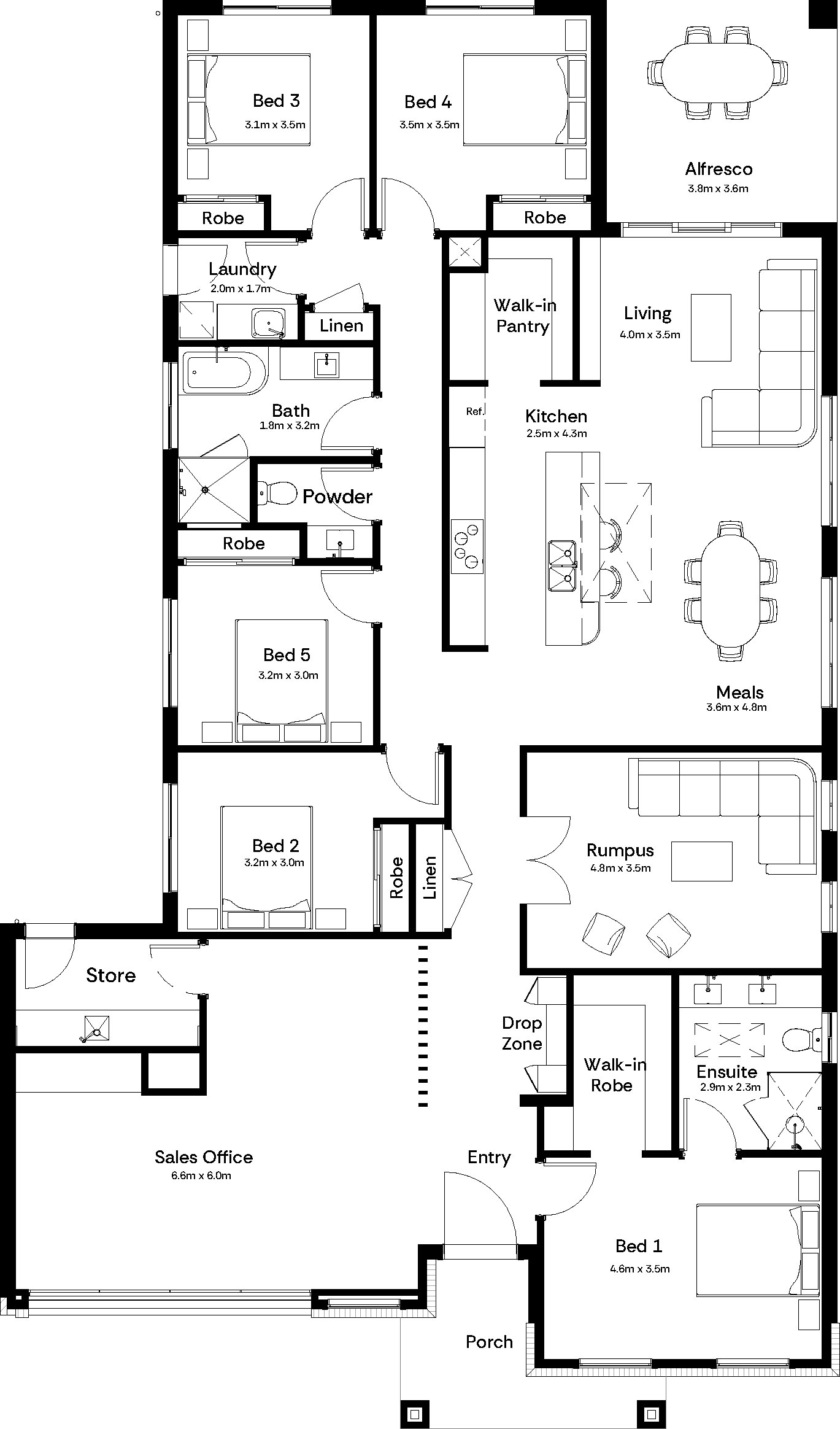
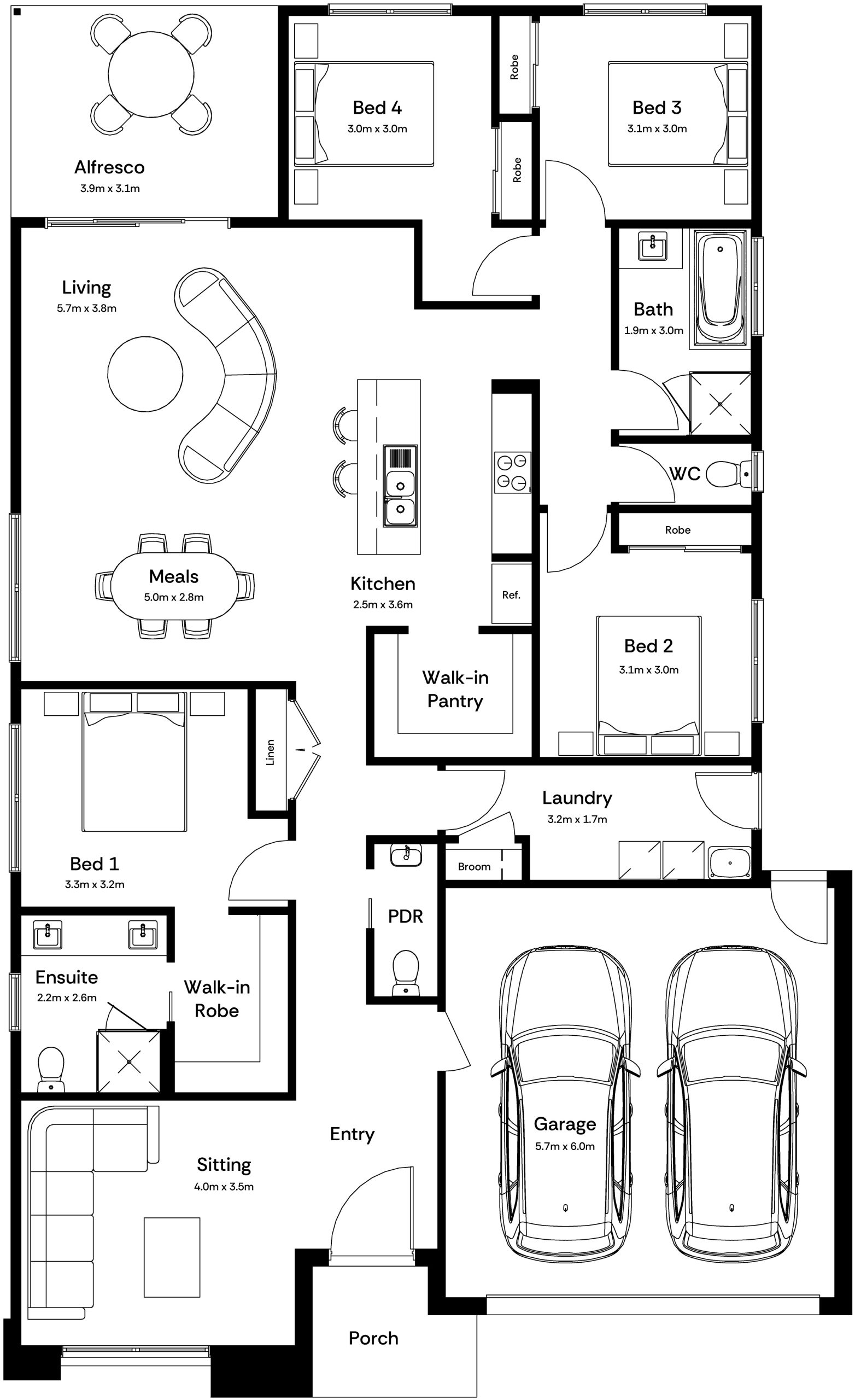
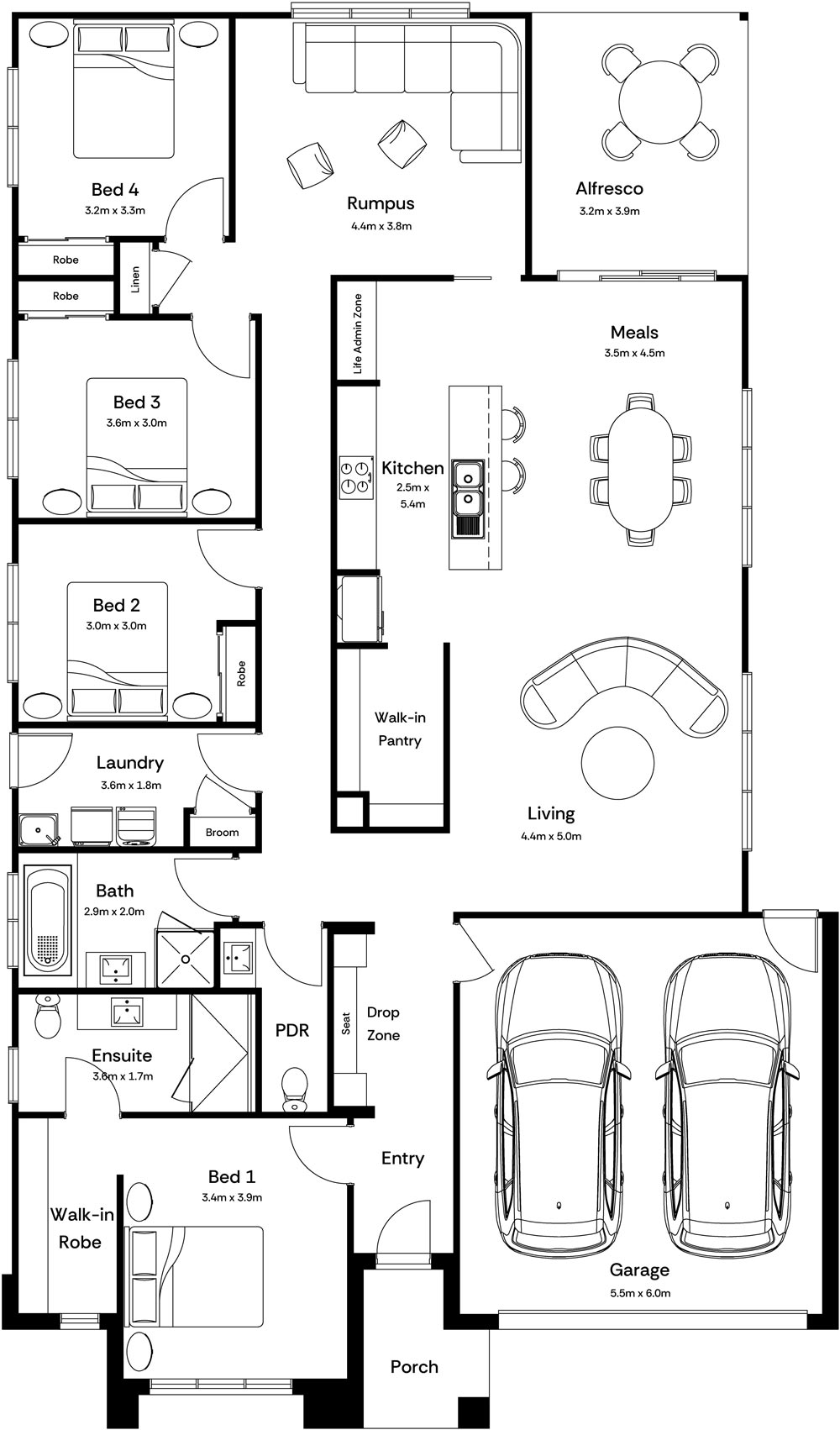
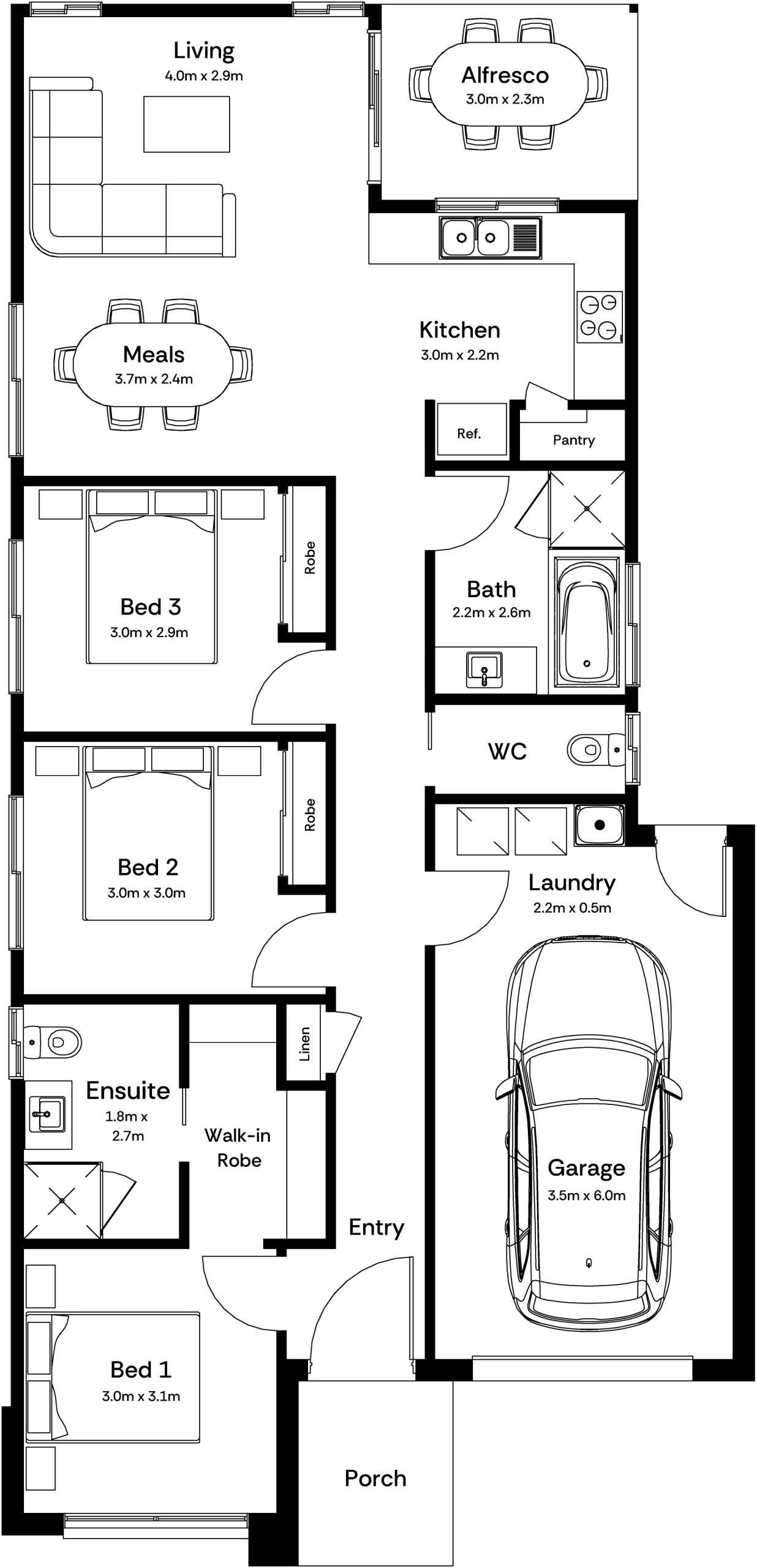
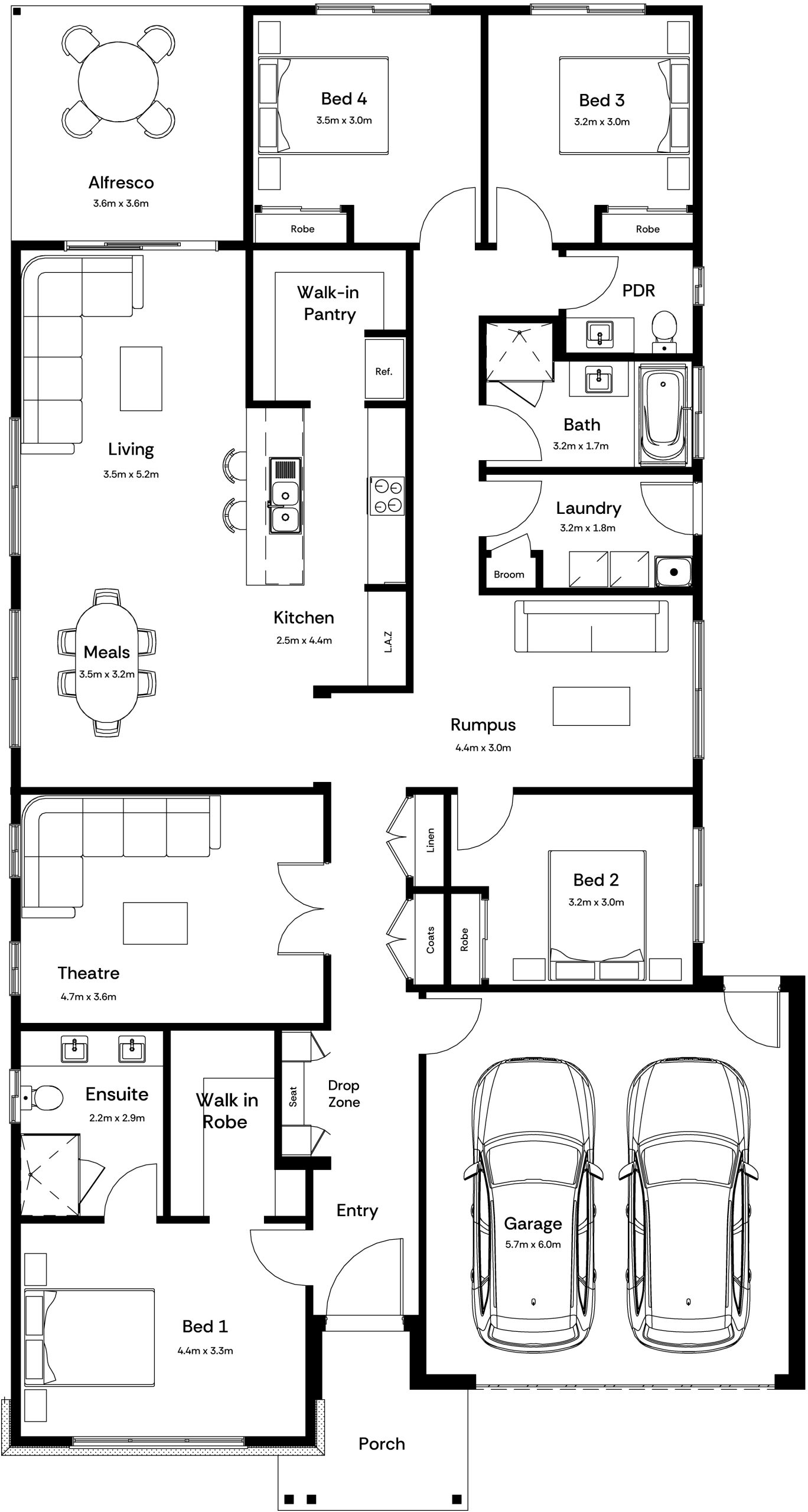
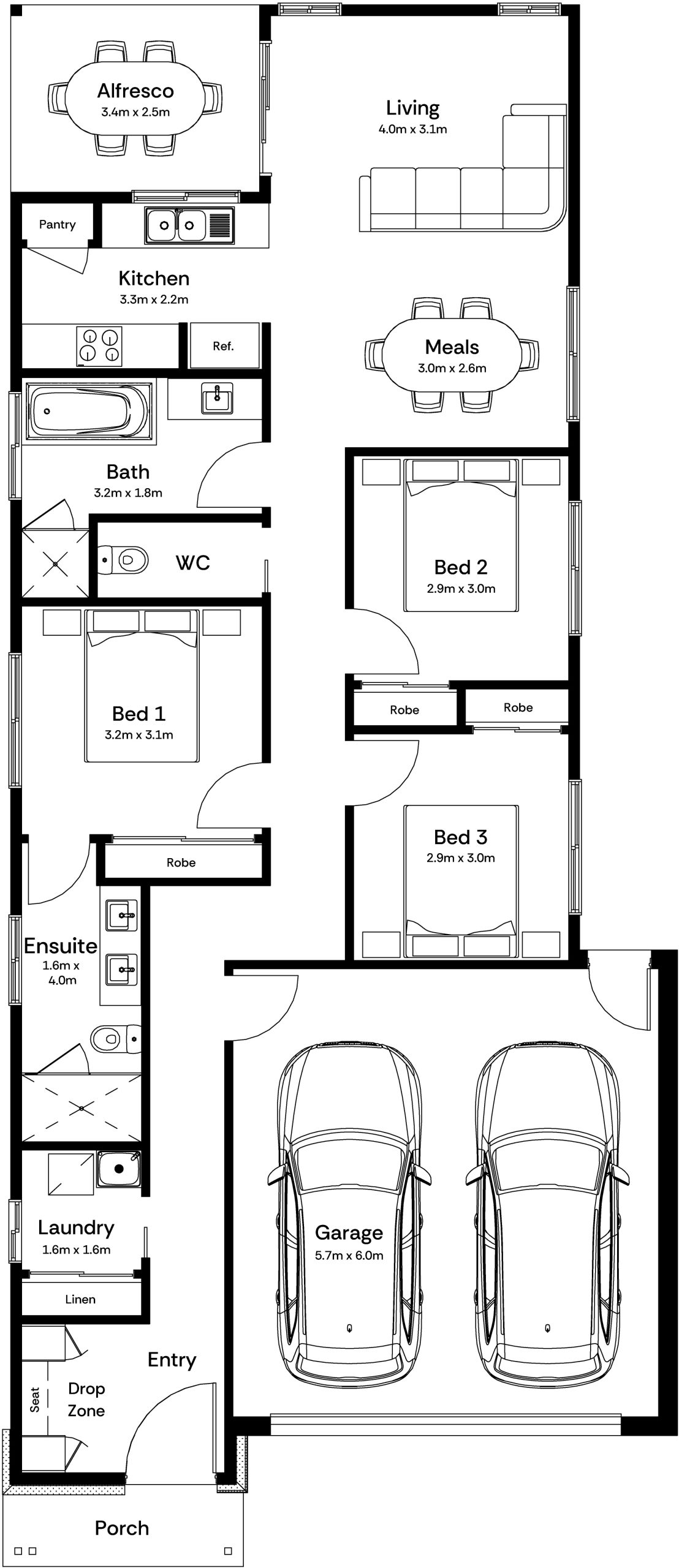
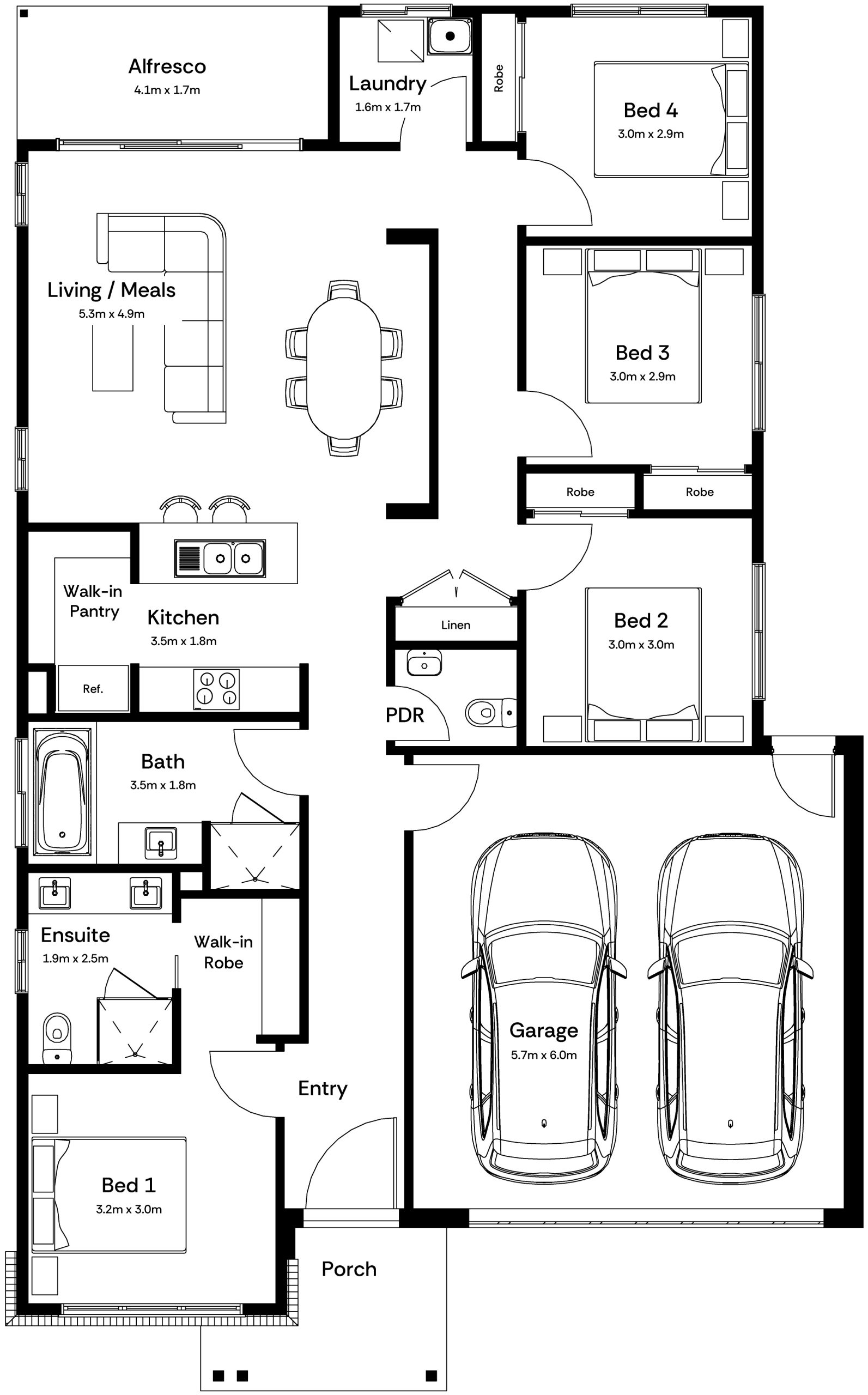
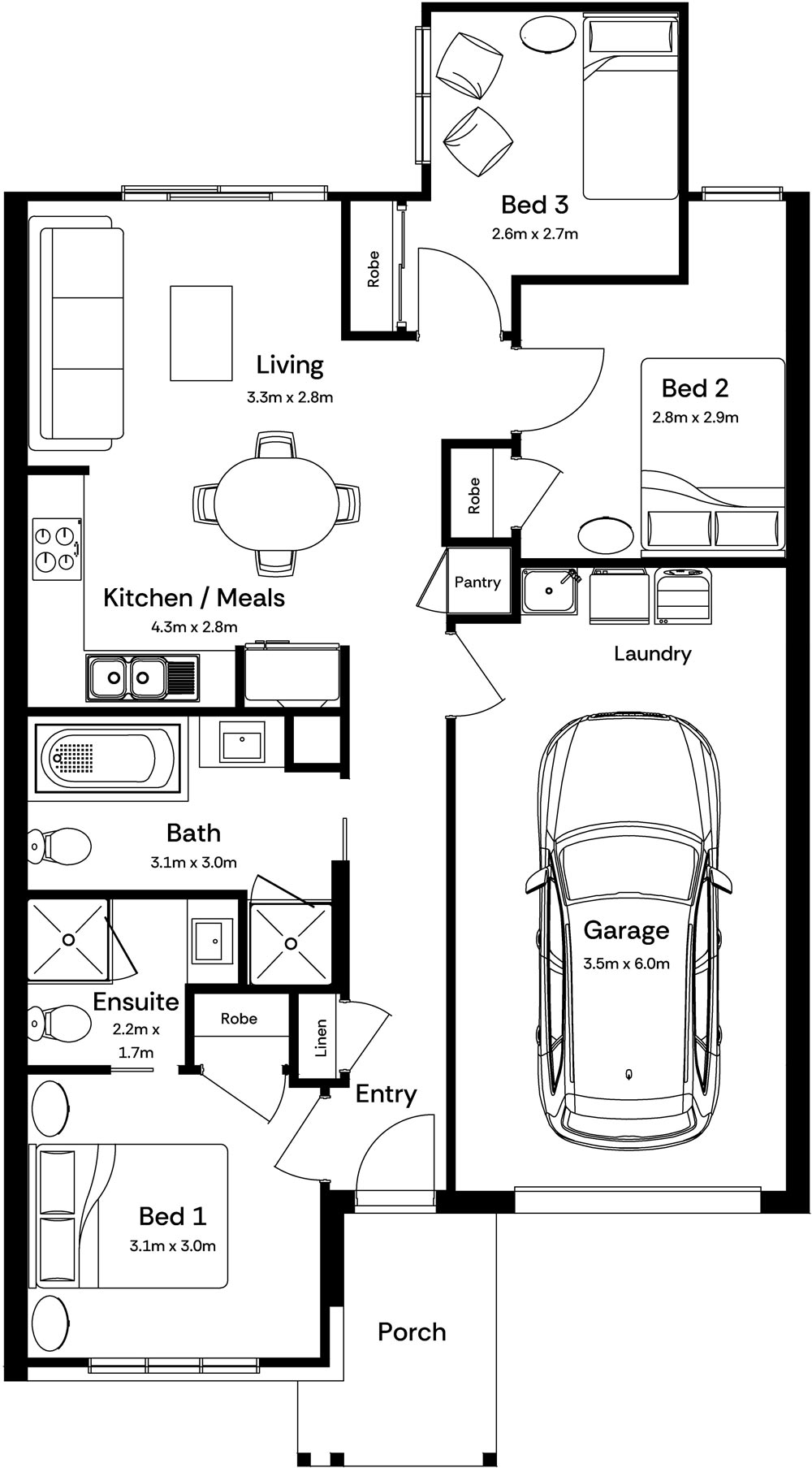
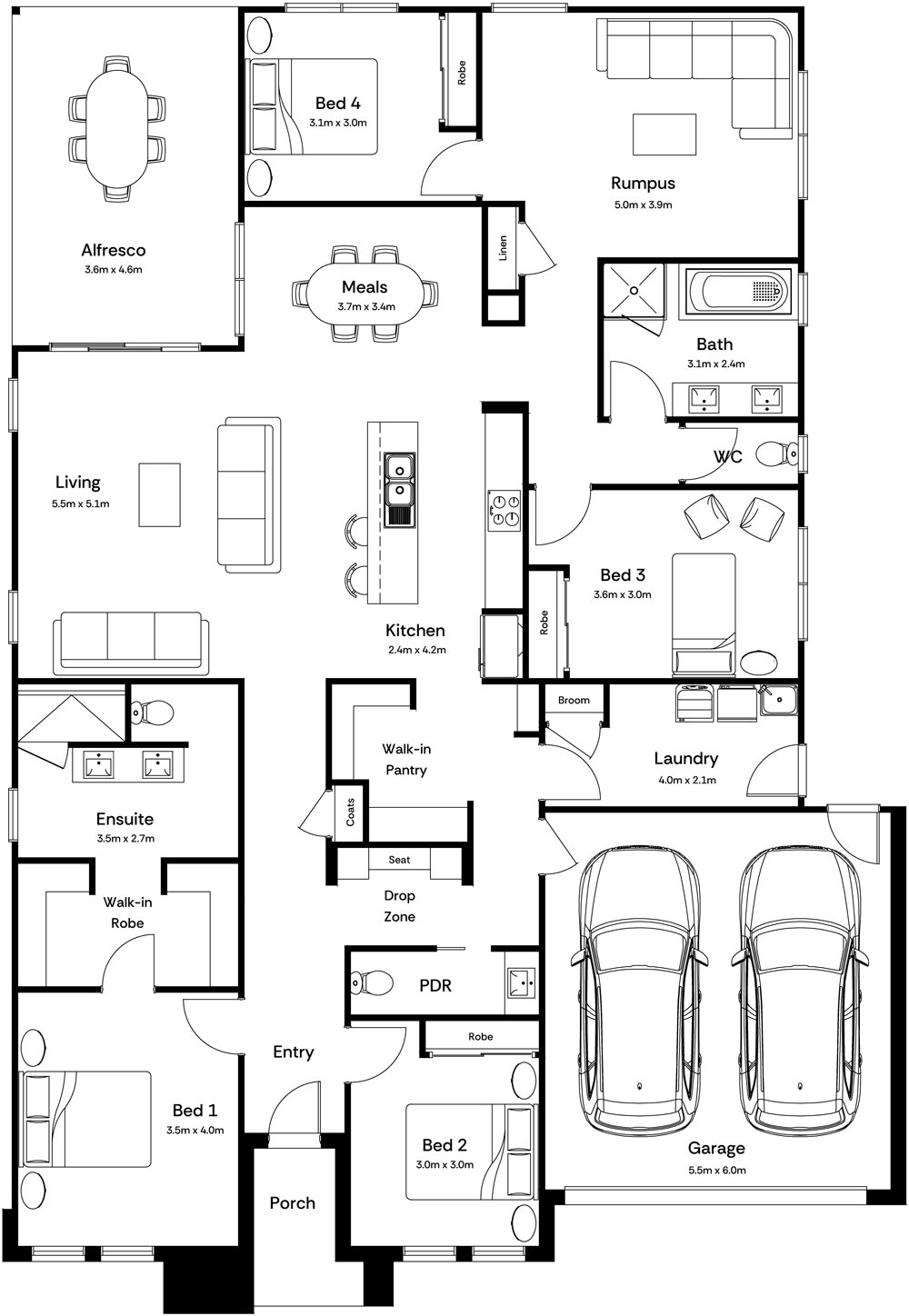
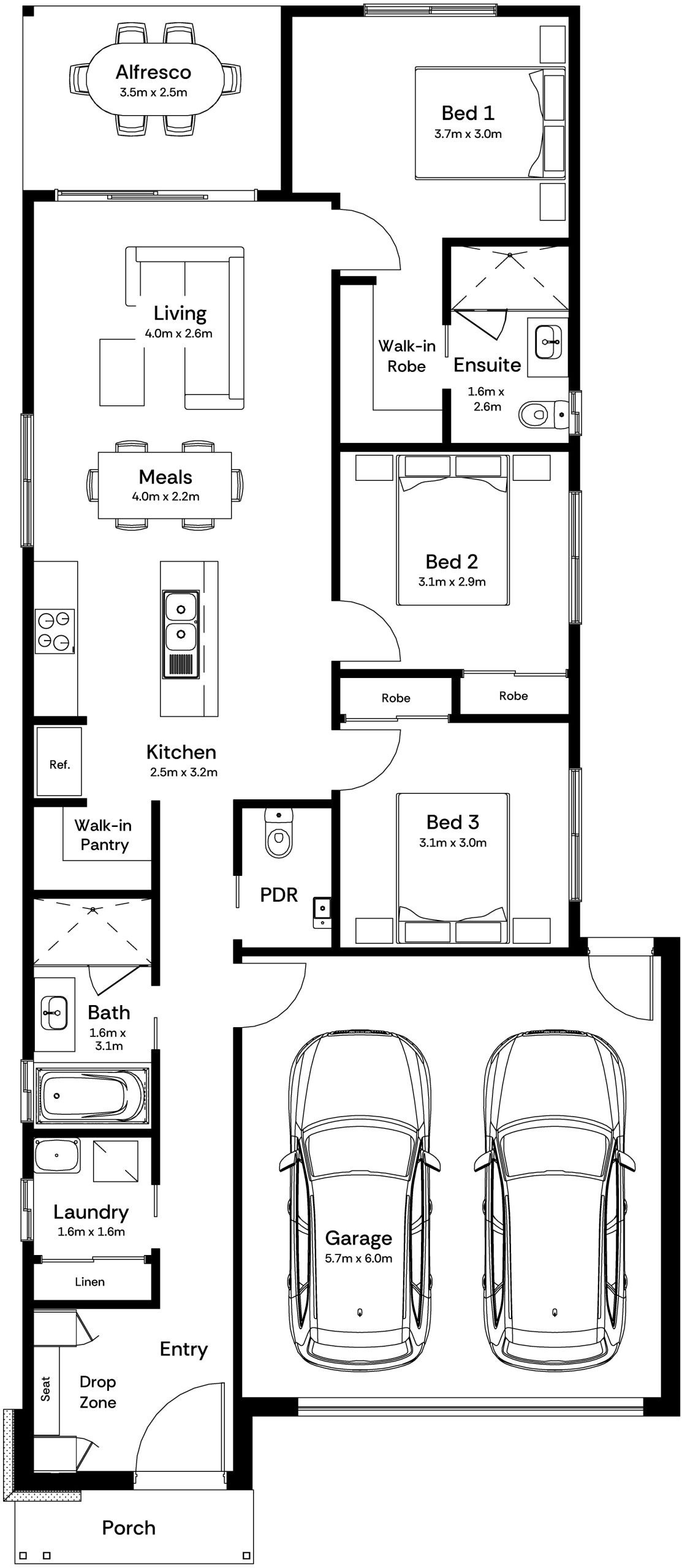
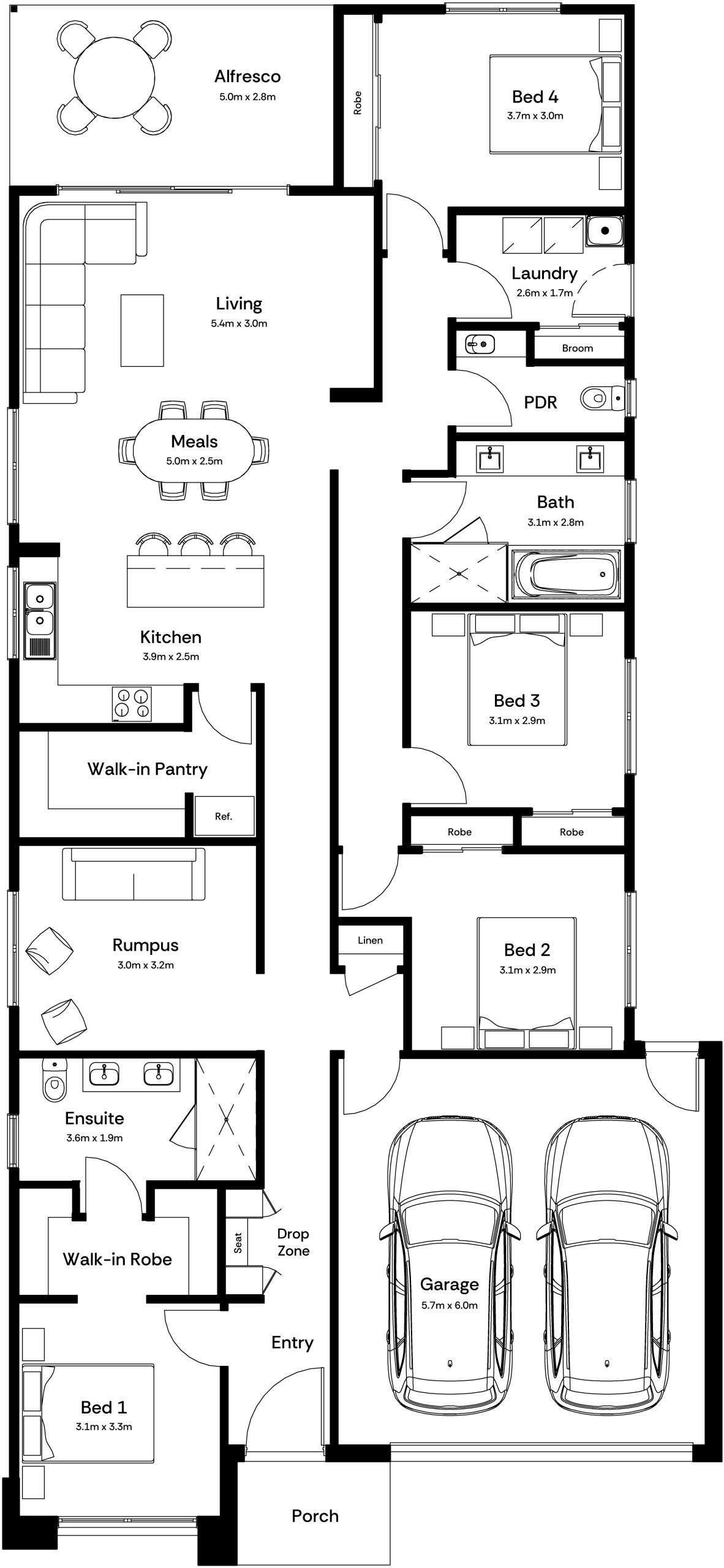
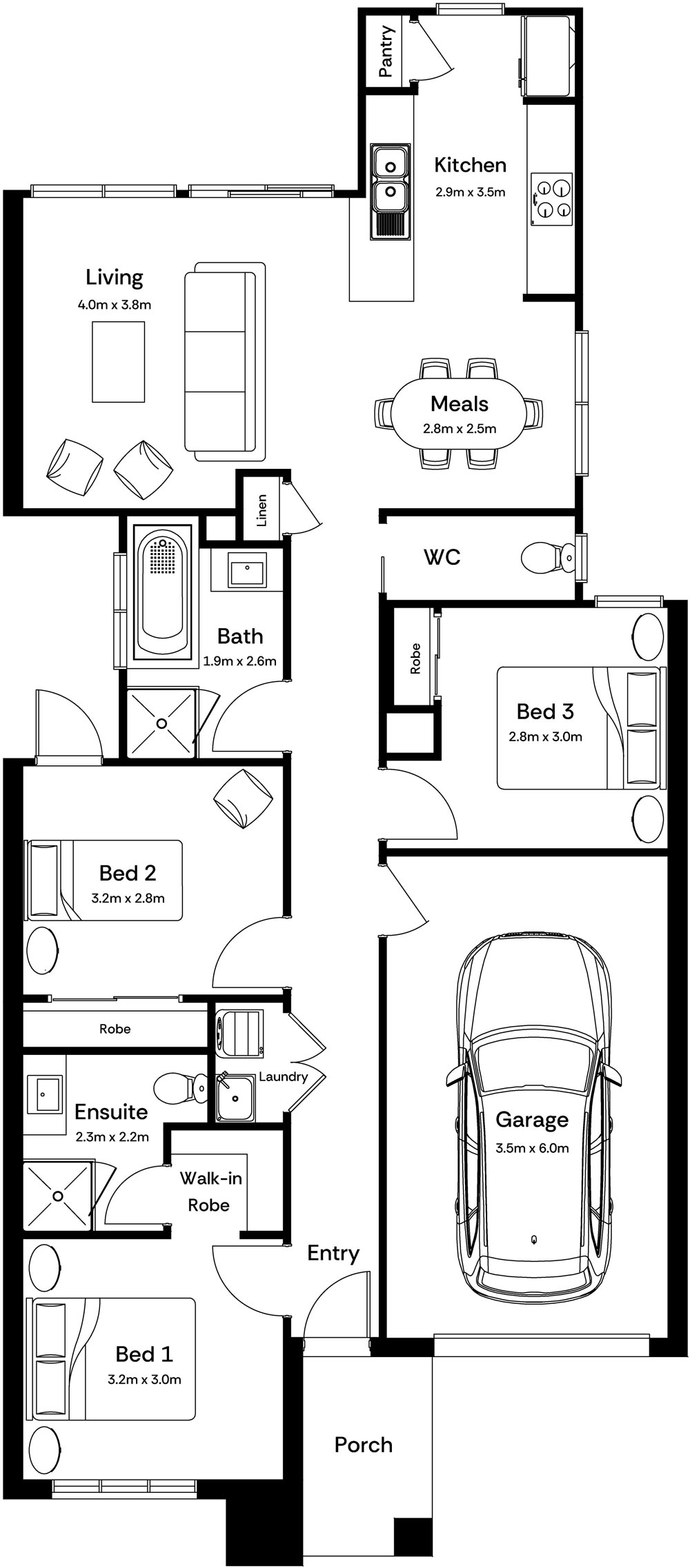
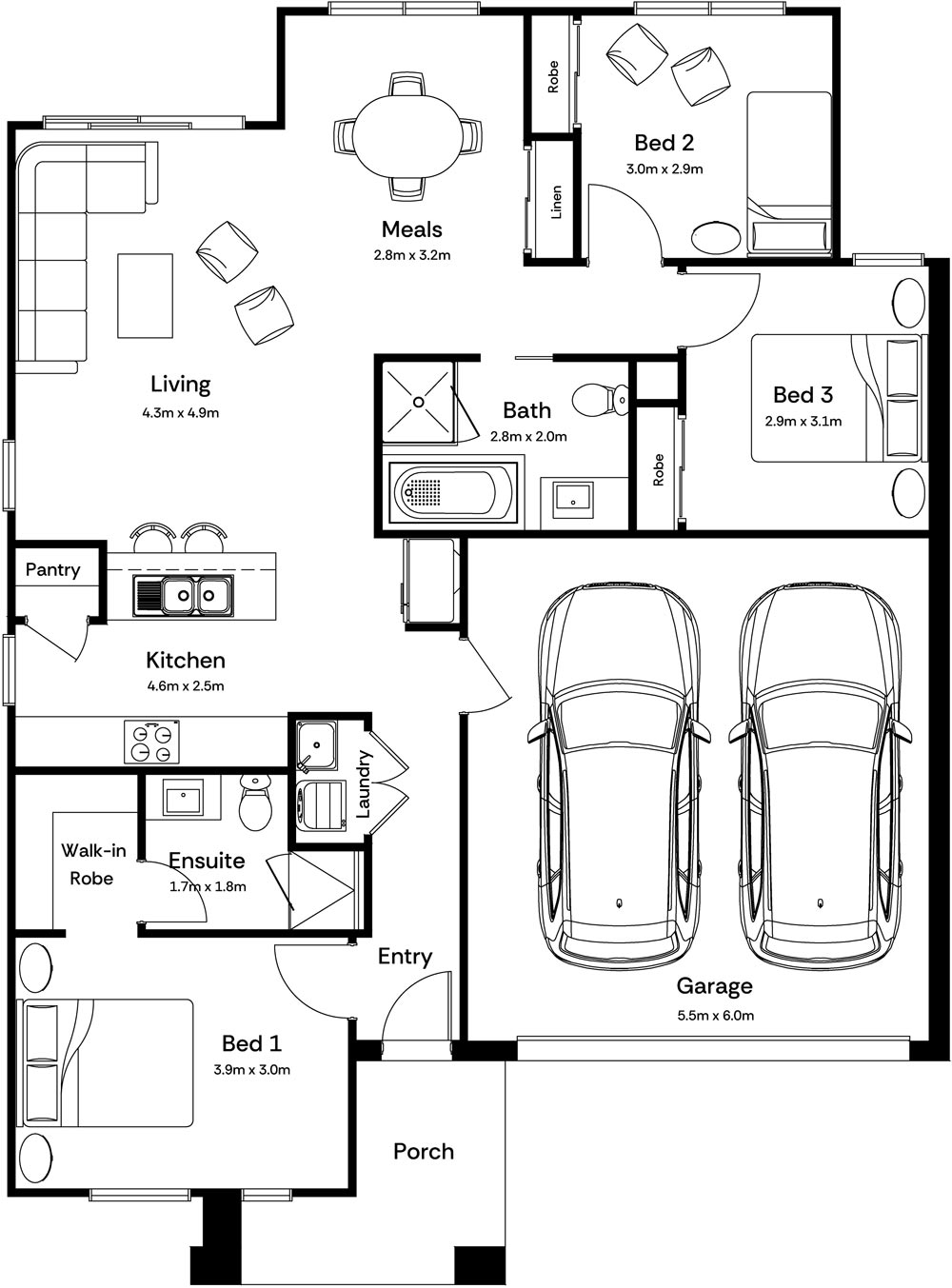
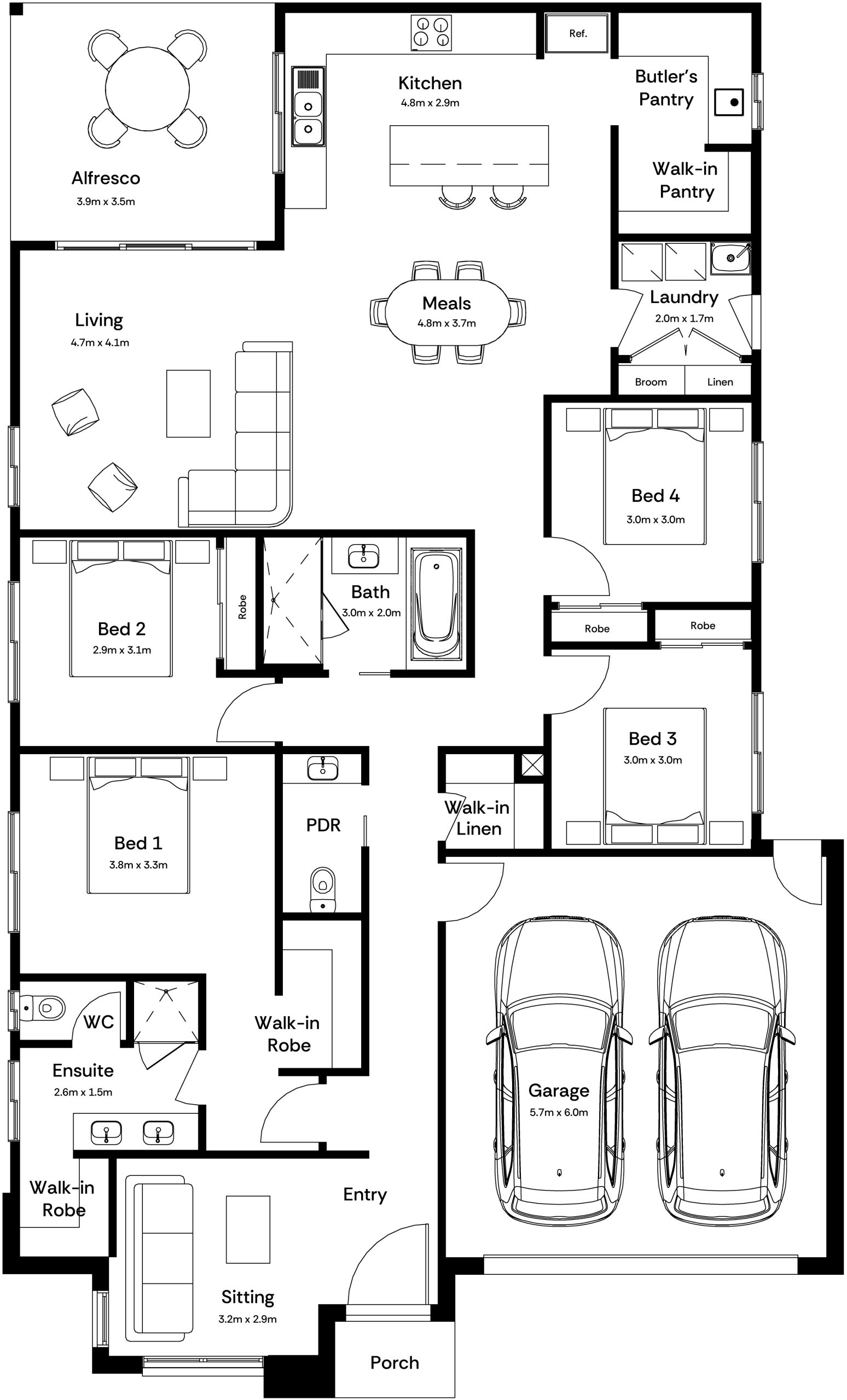
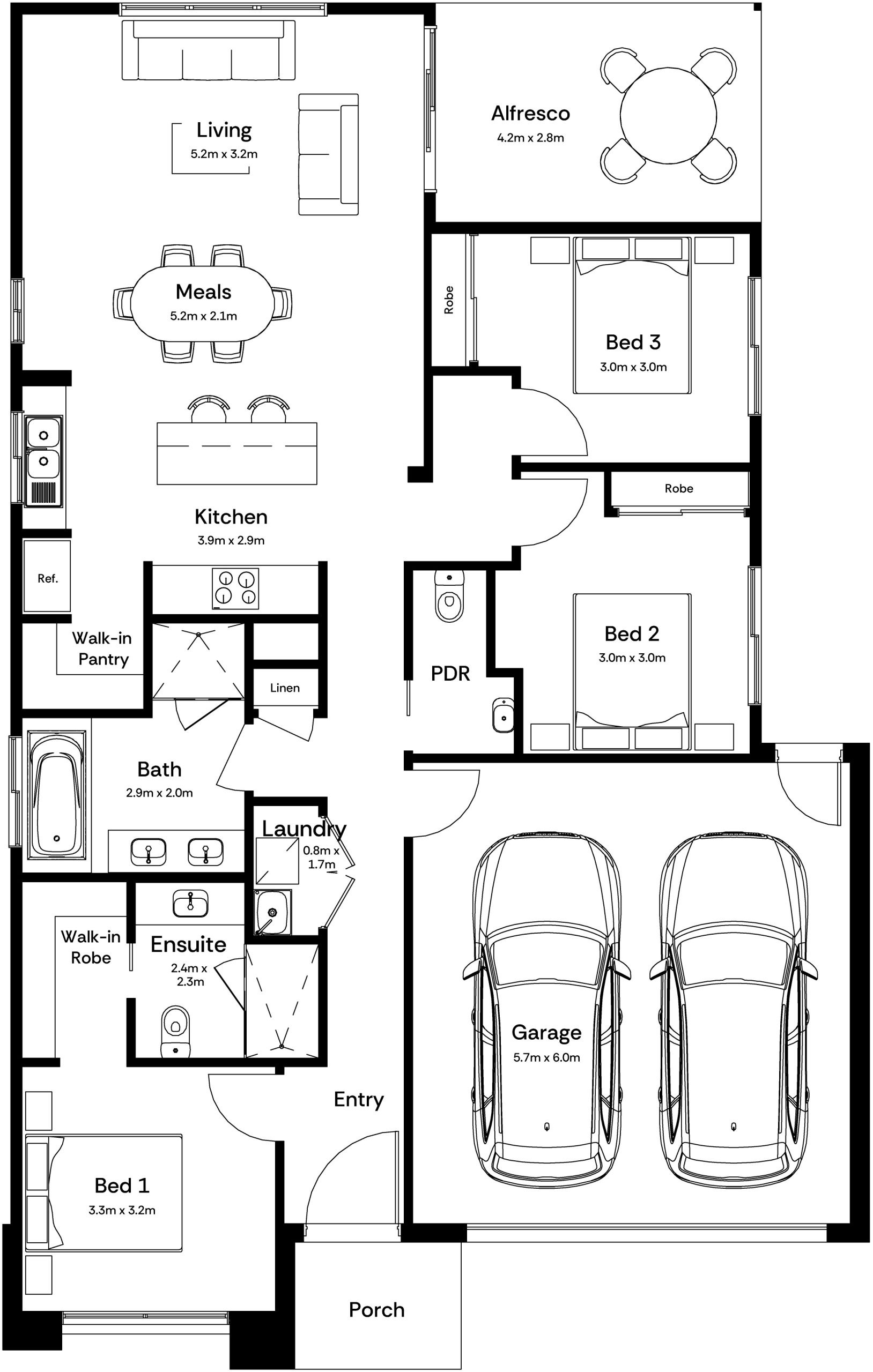
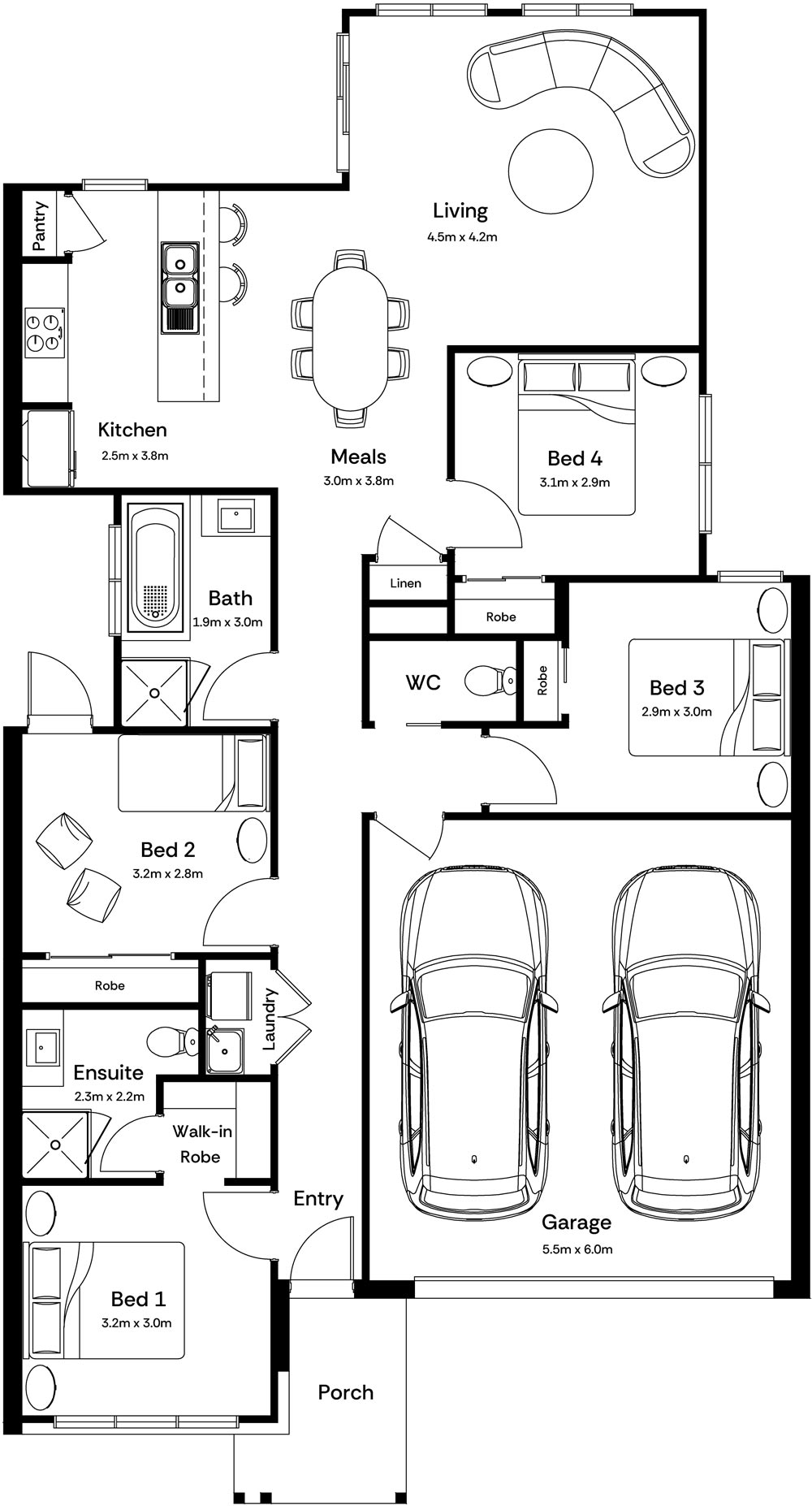
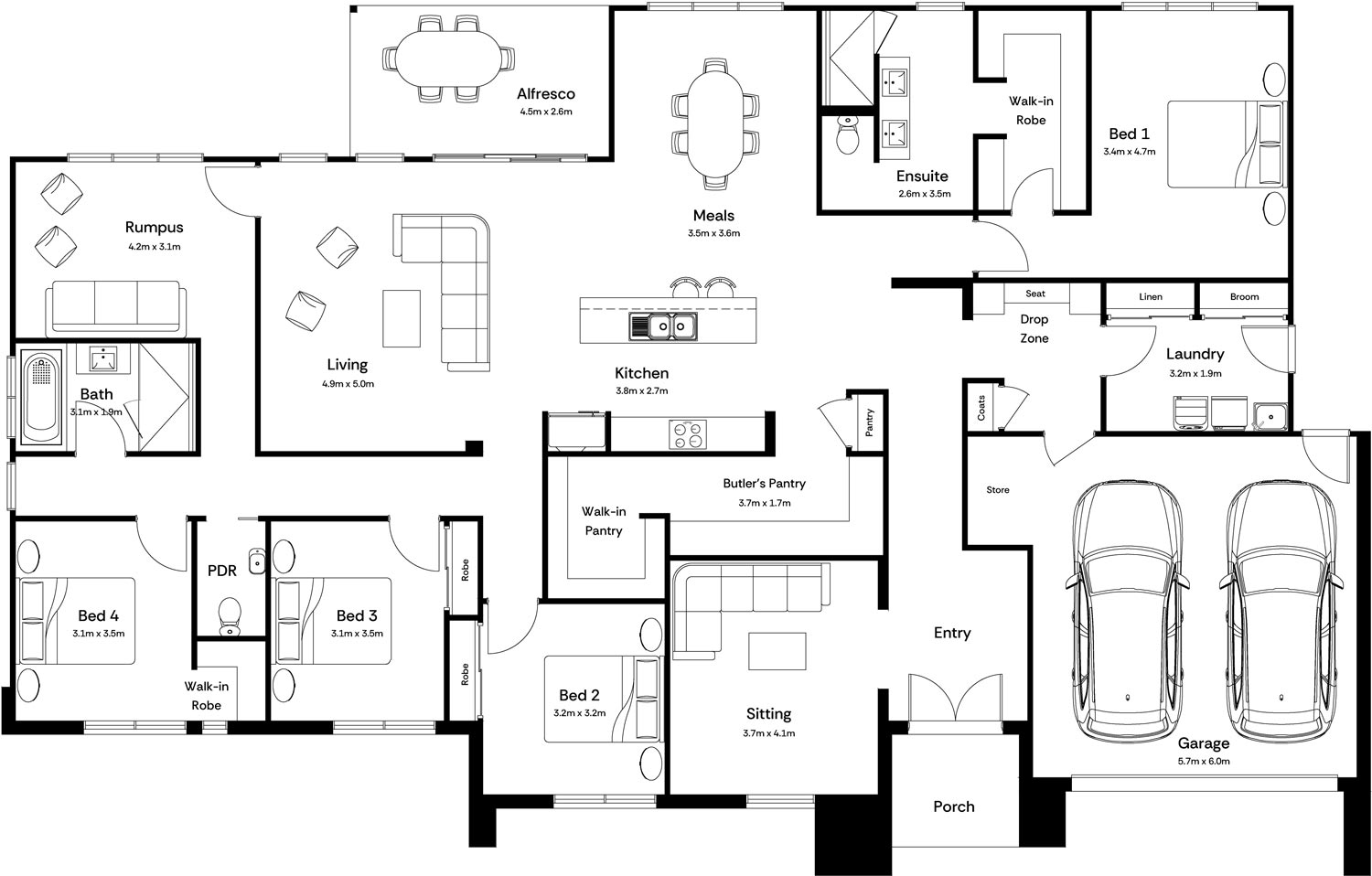
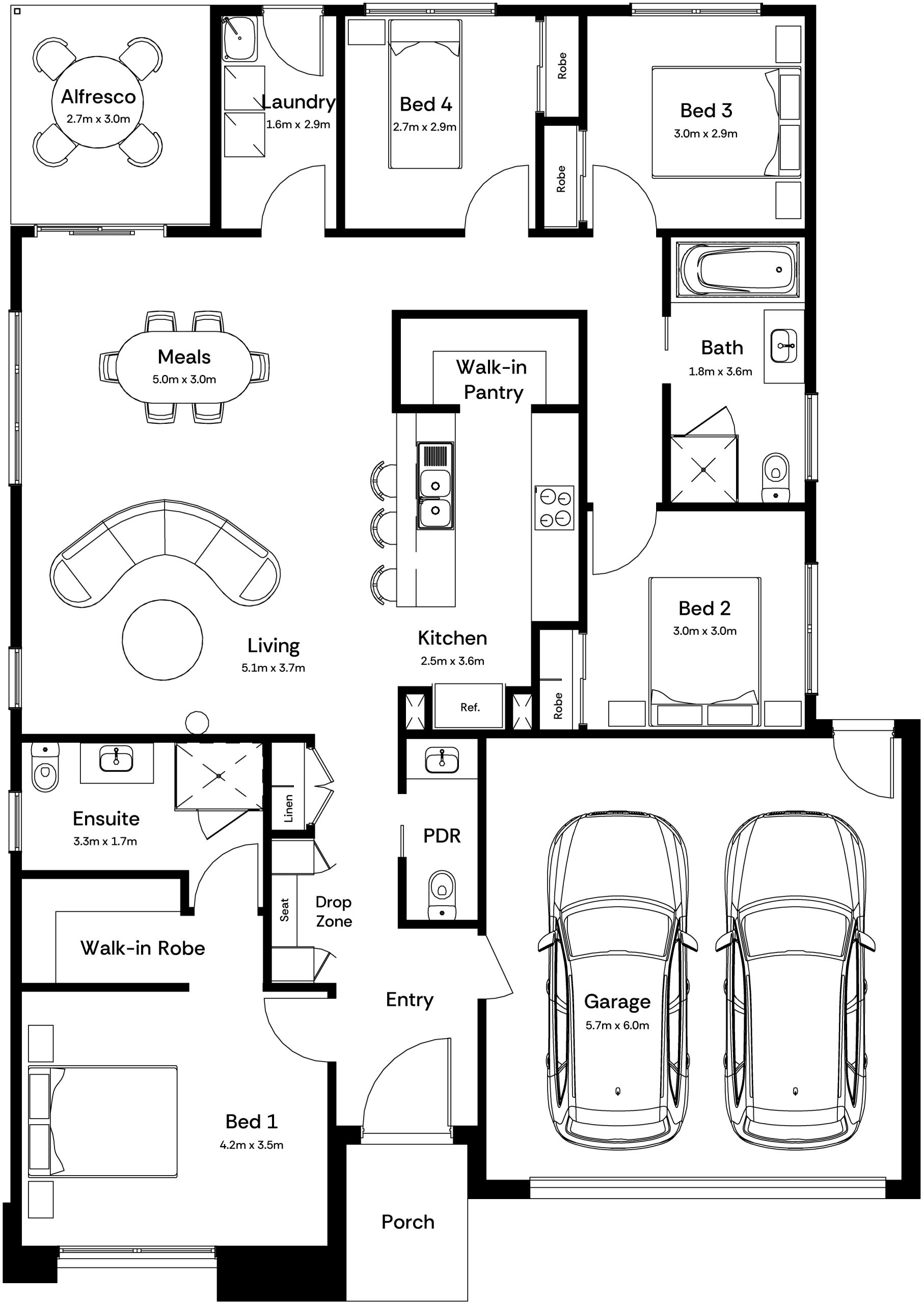
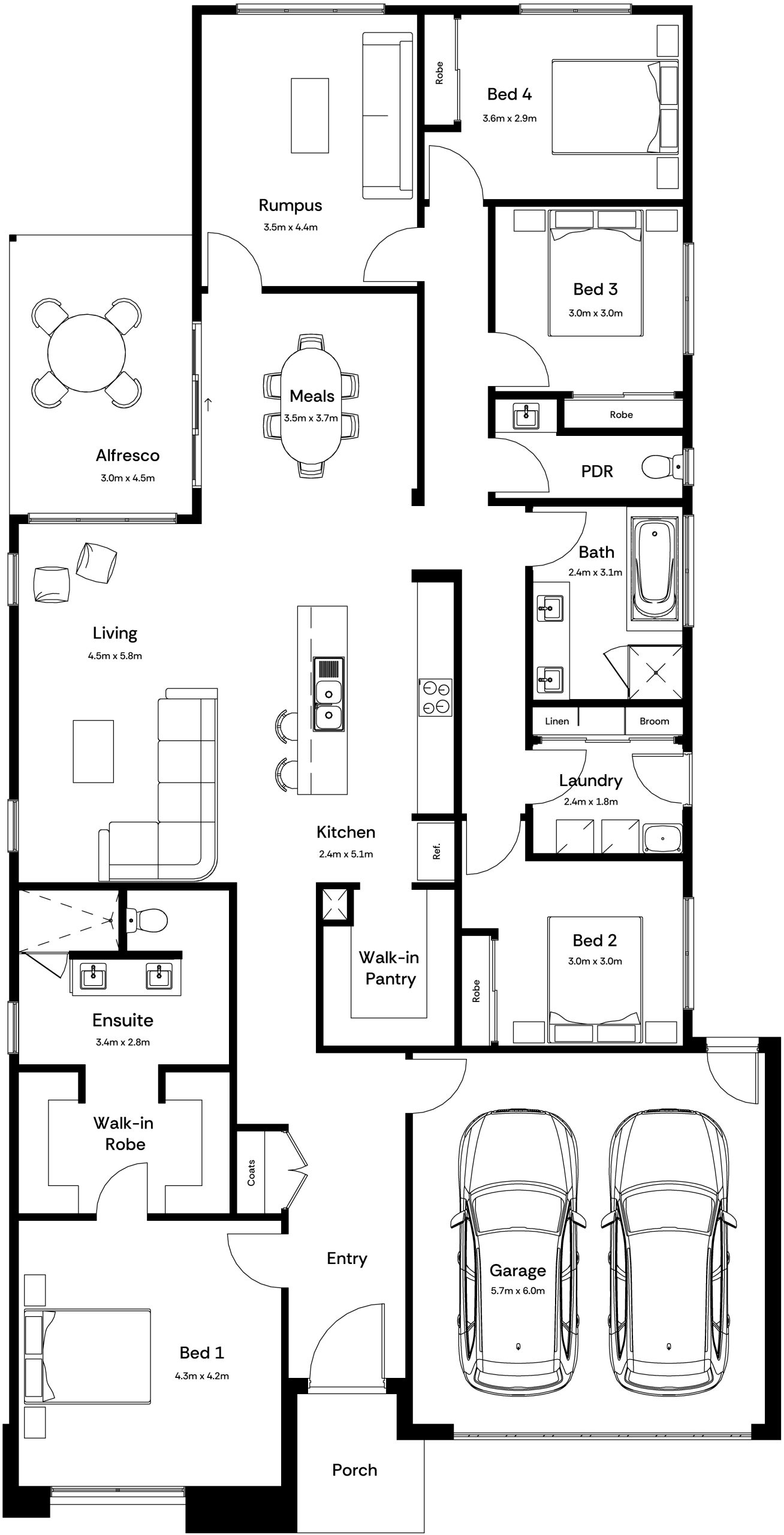
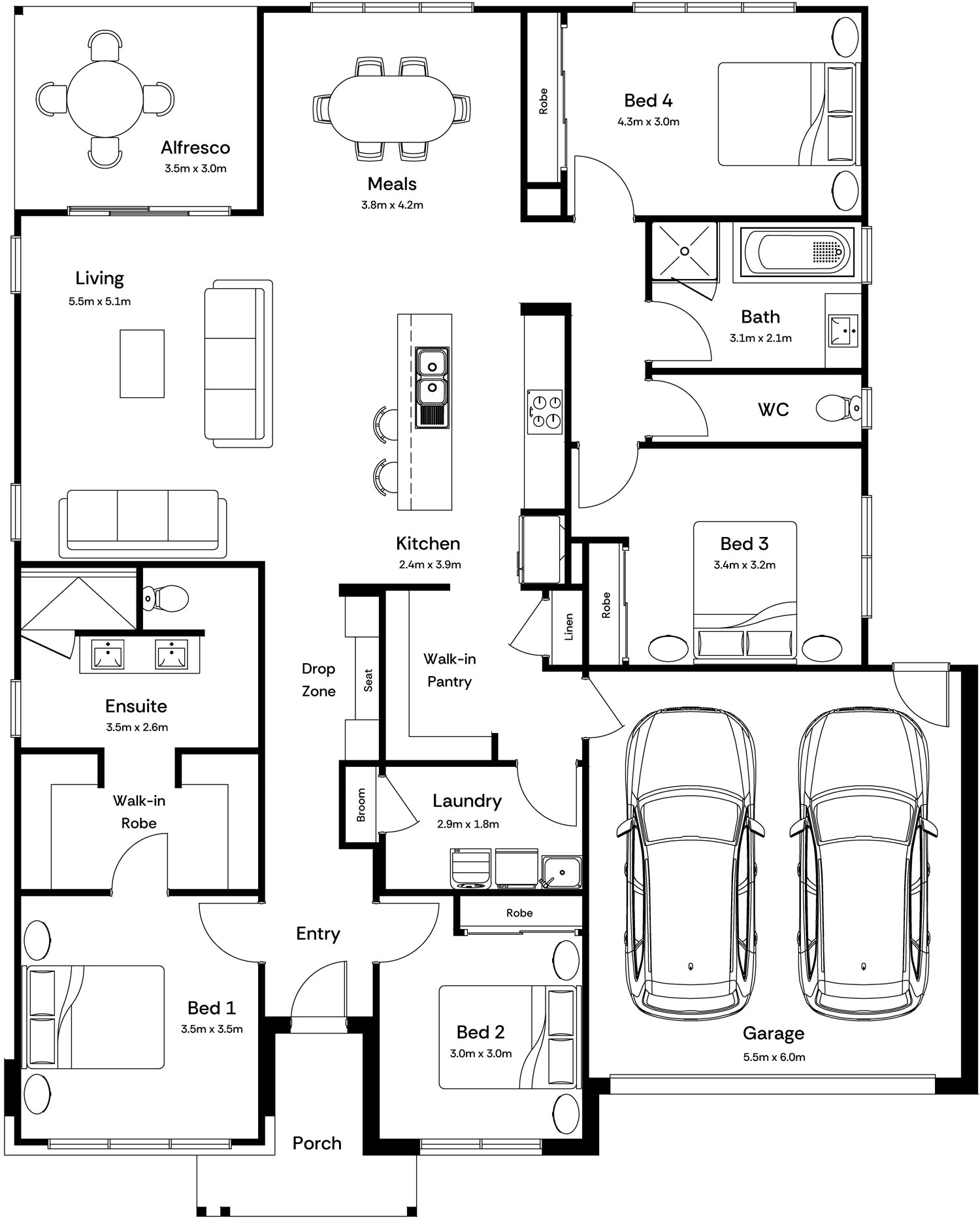
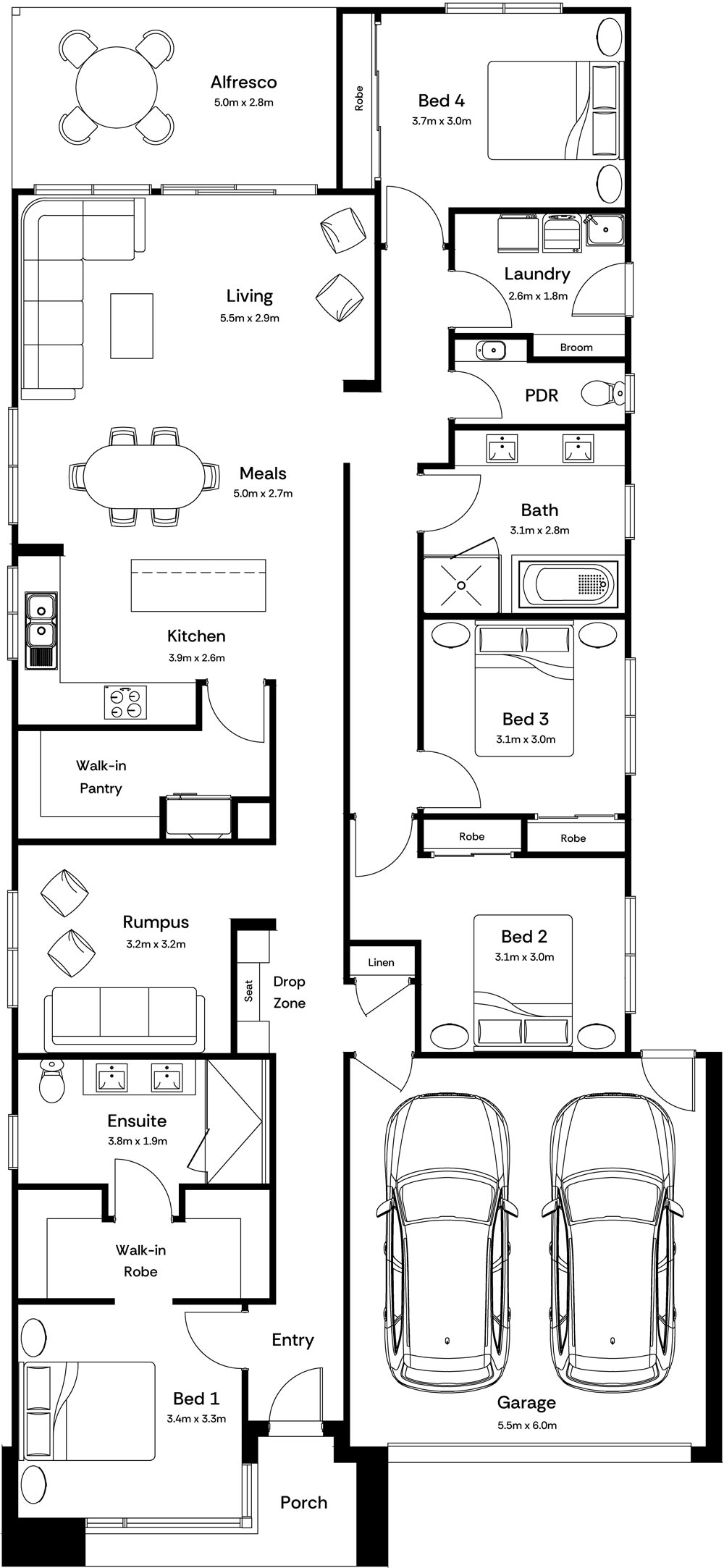
Building new means starting with a blank canvas and ending up with a home that’s shaped around your life, not someone else’s.
The upsides
- It’s yours from the ground up. You choose the floorplan, the façade, the finishes. No compromises, no patchwork renovations.
- New homes are built to today’s standards, which means better energy efficiency and lower running costs.
- The $10,000 First Home Owner Grant applies to new homes only. Established homes don’t qualify.
- Everything’s fresh. New fixtures, new appliances, no mystery stains or 70s-era oven to learn to love.
The things to keep in mind
- It takes longer to move in than to buy an established home. A build typically runs several months to around a year once construction starts, and if your land isn’t titled yet, that wait comes first..
- There are decisions to make along the way. The fun kind, mostly, but decisions all the same.
- Some builders quote a tempting base price, then pile on the extras. Site costs, fencing, landscaping, driveways. They add up fast if you’re not told about them upfront.
- With a new build, you may be looking at growing communities rather than older inner suburbs. That can mean more choice, newer neighbourhoods and a more achievable entry point, but it’s still worth thinking about your commute, local shops, schools, parks and how the area may grow over time.
That last point is worth pausing on, because it’s exactly where a lot of first home buyers feel uneasy. The good news? It doesn’t have to be that way.
Buying an established home
An established home is one that’s been lived in before. For some first home buyers, that’s exactly the appeal.
The upsides
- You can usually move in faster, often within weeks of settling.
- You might land in an established, leafy suburb that’s close to transport, cafés and shops.
- What you see is (mostly) what you get; you can walk through before you buy.
Things to keep in mind
- You’re inheriting someone else’s choices. Their layout, their kitchen, their colour palette. Making it feel like yours can mean renovating, which adds up quickly.
- Older homes can hide a few surprises. Ageing plumbing, tired wiring, or a hot water system that decides to quit three months in. A building and pest inspection helps, but it can’t catch everything.
- Older properties are often less energy efficient, which can mean higher heating and cooling bills.
- Established homes aren’t eligible for the First Home Owner Grant.
Established homes suit buyers who value location and speed above all, and who don’t mind rolling up their sleeves (or opening their wallets) for the odd update down the track.
What does it cost to build versus buy?
When you choose to build, your costs are the land, the build contract, and everything in between. Site costs, the works needed to prepare your block, vary and aren’t always included in an advertised price. You’ll also want to budget for driveways, fencing, landscaping and window furnishings. None of it is hidden, but it’s easy to miss when you’re comparing a build price to a sale price.
When you buy established, the listing price is closer to the total, but not the whole story. Older homes bring maintenance and renovation costs on their own schedule, plus whatever a building inspection turns up. You also pay stamp duty on the full property value.
Building also takes time, and you’ll likely be paying rent while your home goes up. That overlap belongs in your budget from the start.
What support is available for first home buyers?
Each of these has its own eligibility rules, and they do change. Check the current details before you sign anything. The State Revenue Office covers the Victorian schemes below, and the First Home Guarantee is federal, administered through Housing Australia.
The First Home Owner Grant
A one-off $10,000 payment for eligible first home buyers buying or building a new home valued at $750,000 or less. Important bit: this one’s for new homes only. Established homes don’t qualify.
Stamp duty exemption or concession
Eligible first home buyers pay no stamp duty on homes valued up to $600,000, and a reduced rate on homes between $600,001 and $750,000. This one applies to both new and established homes, and it can save you tens of thousands.
The First Home Guarantee
This lets eligible first home buyers get in with as little as a 5% deposit instead of 20%, without paying Lenders Mortgage Insurance, with the government guaranteeing part of your loan. Since late 2025, the income caps and yearly place limits were removed, and the Victorian property price caps sit at $950,000 for Melbourne and Geelong (and $650,000 for the rest of the state).
Two of these lean toward new homes. The FHOG applies to new builds only, and on a house and land package, where you buy the land and contract the build separately, stamp duty is generally assessed on the land value rather than the finished home. On a first home, that difference can be considerable, though it depends on how your contract is structured, so confirm it with the SRO or your conveyancer.
If you build, your finances work differently. A construction loan is drawn down in stages as your home is built, so you only pay interest on what’s been released; repayments start small and grow as the build progresses. For a first home buyer still paying rent, that gradual ramp-up matters.Read our full guide to construction loans.
Stack a few of these together, and the deposit gap you’ve been stressing about can start to feel a lot more manageable. If grants and finance make your head spin, that’s exactly the kind of thing we’re here to help you make sense of.
Don’t forget the running costs
The sticker price is only half the story. What a home costs you month to month matters just as much, especially when you’re budgeting carefully.
Every new home in Victoria must now be built to a minimum 7-star energy rating, which means better insulation and a home that costs less to heat and cool. Government analysis put the savings from $300 to over $1,000 a year against the old standard. All-electric is the standard in every Mayde home, with no gas connection to pay for and a setup ready for solar.
Older homes weren’t built anywhere near those standards. What you save at purchase, you can slowly pay back in energy bills.
But building sounds hard…
If the thought of building feels daunting, you’re not alone. But you’re not on your own, either.
The Mayde process is refreshingly simple:
- Reach out to our team of talented, caring humans
- Choose a home design (and personalise it), or land if you need it
- Sort your finances. Read our helpful guide on how much deposit you need for your first home.
- Sign the contract
- Watch your home grow from the ground up
- Move in and pour yourself a well-earned celebratory drink
So, which should you choose?
Here’s a quick gut-check.
Leaning toward established might make sense if you need to move right now, you’ve got your heart set on a specific established suburb, and you’re comfortable taking on potential maintenance or renovations.
Leaning toward building new tends to suit you if you want a home tailored to your life, you care about lower running costs and modern design, and you’d like to take advantage of the grants and concessions made for first home buyers.
And if you want a brand new home but you’re not keen on the wait or the unknowns, our house and land packages and ready-built options are a lovely middle ground; your dream home, in a dream location, without the guesswork.
We’re Mayde for firsts
Whatever you decide, you deserve to enjoy this journey. That’s the whole reason we exist: to make building your first home one you’ll actually love being part of.
So if you’ve got questions, come and have a chat for honest advice from people genuinely on your team.
Let’s make this journey truly remarkable.
This article is general information only and does not take your personal circumstances into account. Government grants, concessions and schemes have eligibility criteria and can change. Always confirm the current details with the State Revenue Office Victoria and a qualified finance professional before making a decision.