Titled vs untitled land and what it means for your first home
When you start looking at house and land packages, you’ll see blocks described as either titled or untitled. The difference decides something that matters a lot: when you can actually start building.
Here’s what each term means, what it changes for your budget and timeline, and how to work out which one suits you.
Titled vs untitled land comparison
| Titled land | Untitled land | |
| What it means | The block is registered and legally ready to build on | The block isn’t registered yet, you’re buying before it’s ready |
| When you can build | Soon after you settle | Only once it is titled, which can take months or longer |
| Price | Usually higher | Usually lower |
| When you pay for the land | Settlement happens soon after you sign | The land balance isn’t due until it is titled |
| Suits you if | You want certainty and want to move sooner | You want a lower entry price and more time to save |
What is titled land?
Titled land is a block that has finished the registration process. It has a Certificate of Title, the official record that says the land exists as its own lot, with set boundaries, and who owns it.
Titled land is ready to be built on. Once you’ve settled, that’s when you’ve paid for the land and it’s legally yours, you can move into building, as long as your permits and approvals are in place.
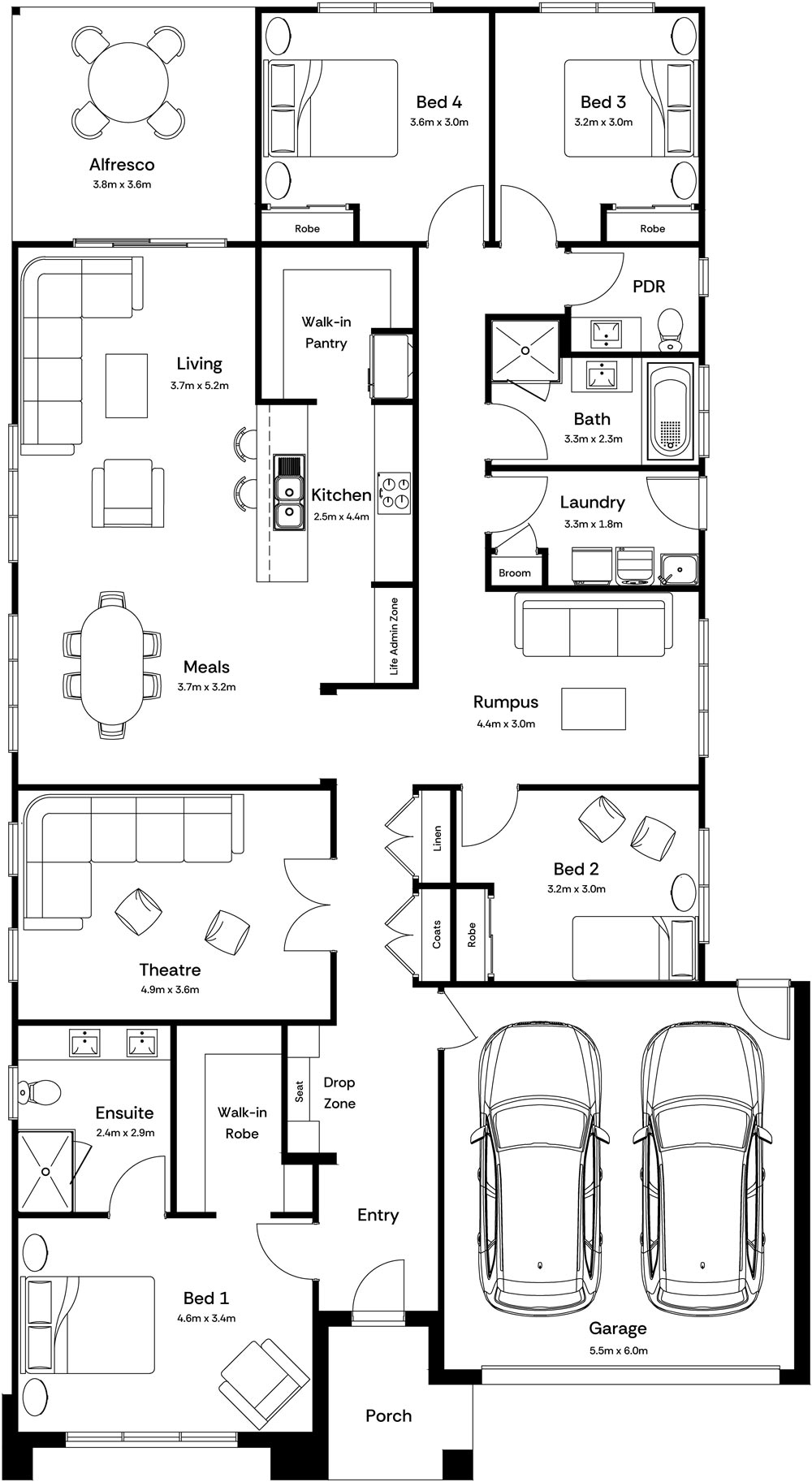
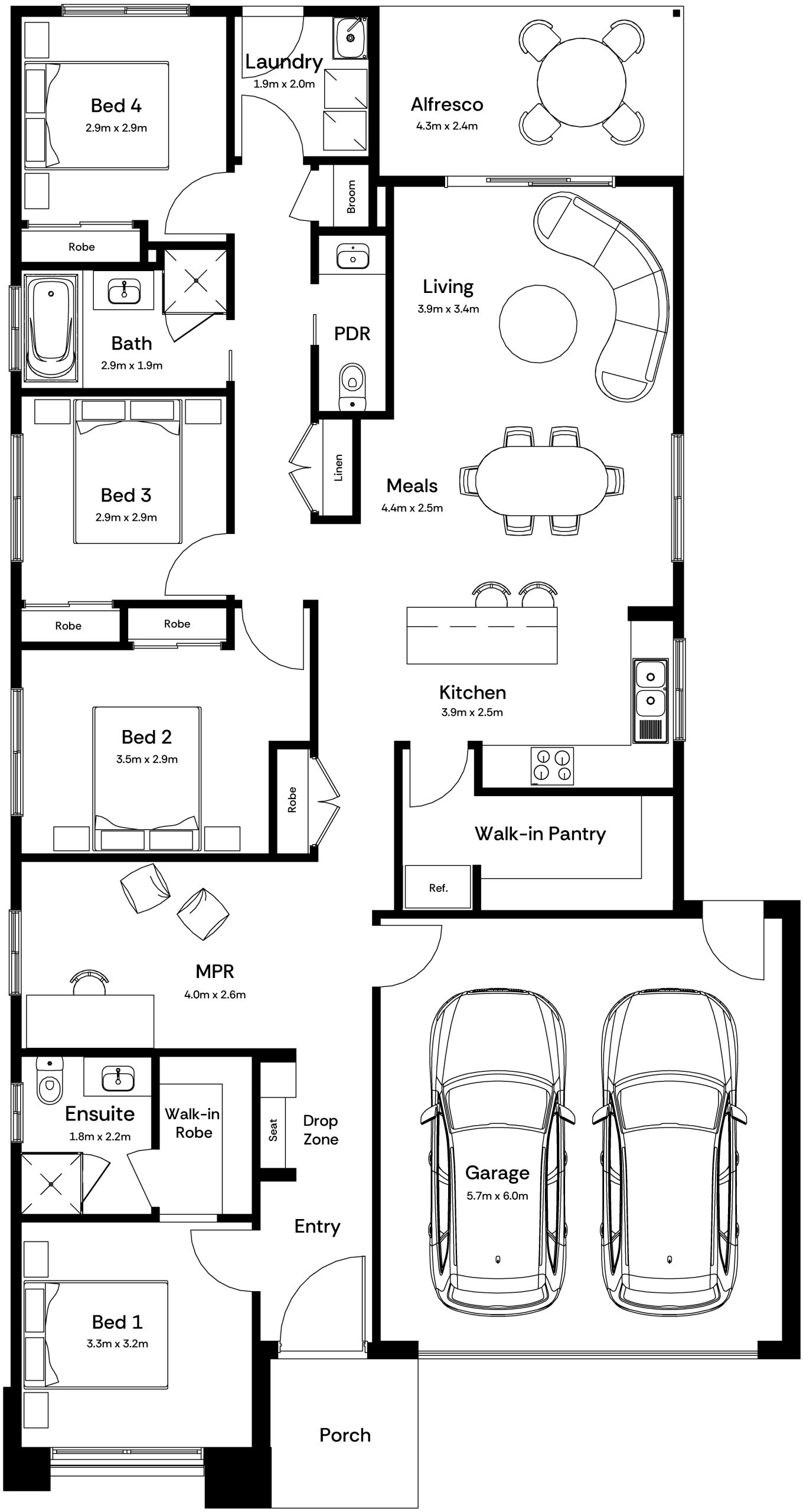
Titled land
The trade-off for Titled land is cost and availability. Titled land usually costs more, and there’s less of it around, in growth areas, it often only comes up when someone resells a block or changes their mind.
What you get is certainty. You know you can settle and build soon, which makes titled land a strong choice if you’re renting and want to stop, or you’re working to a firm timeline.
What is untitled land?
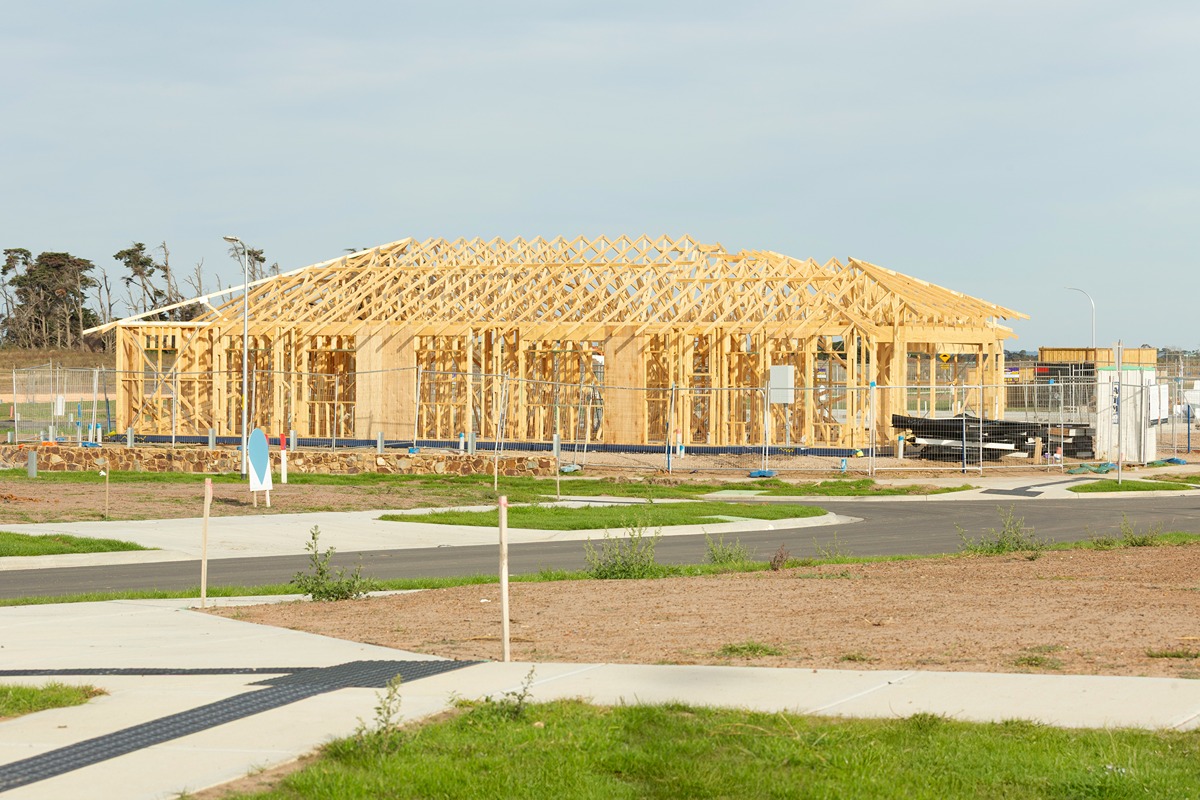
Untitled land hasn’t been registered yet. You’re buying it “subject to registration,” which means the developer is still finishing the work that turns a paddock into a street.
That work includes roads, footpaths, drainage, power, water and sewerage, plus marking out each individual lot. Only once all of that is done and the plan of subdivision is registered, does the land get its title.
Your contract will give you an estimated title date. That’s the developer’s best guess at when the block will be ready, not a guarantee.
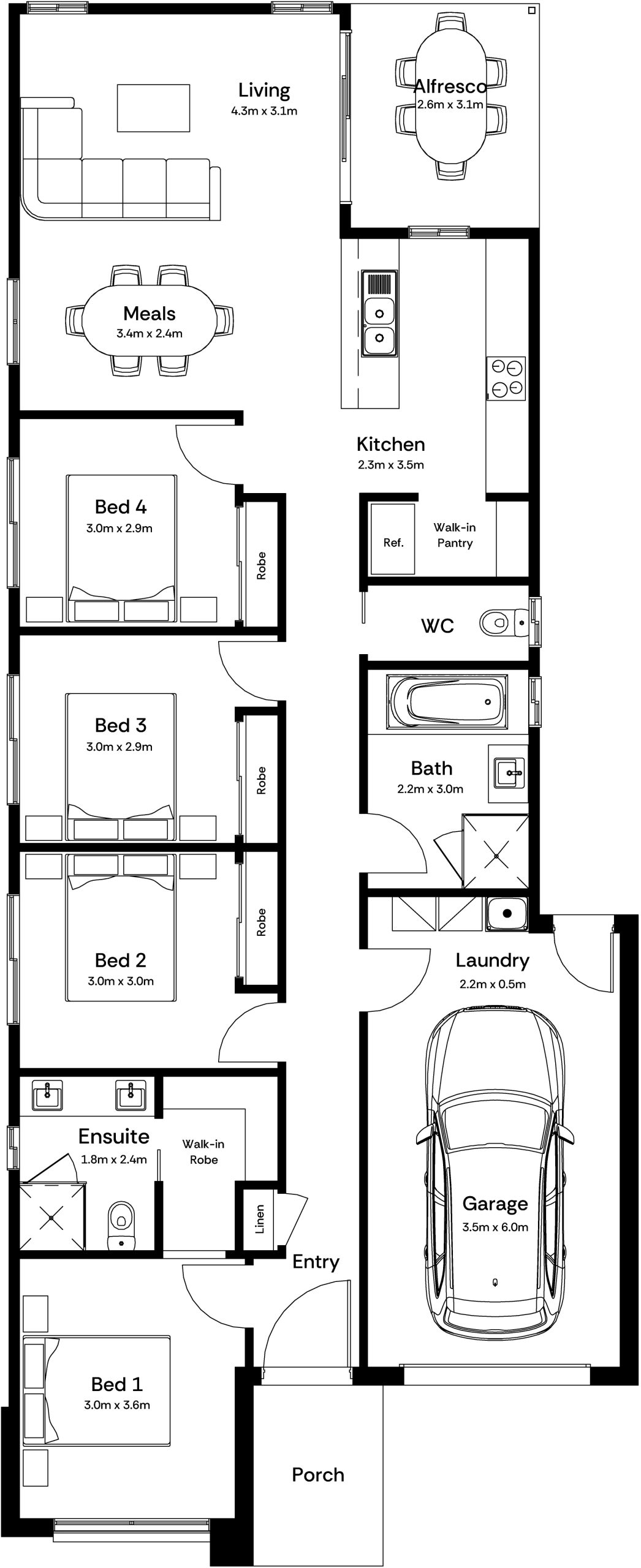
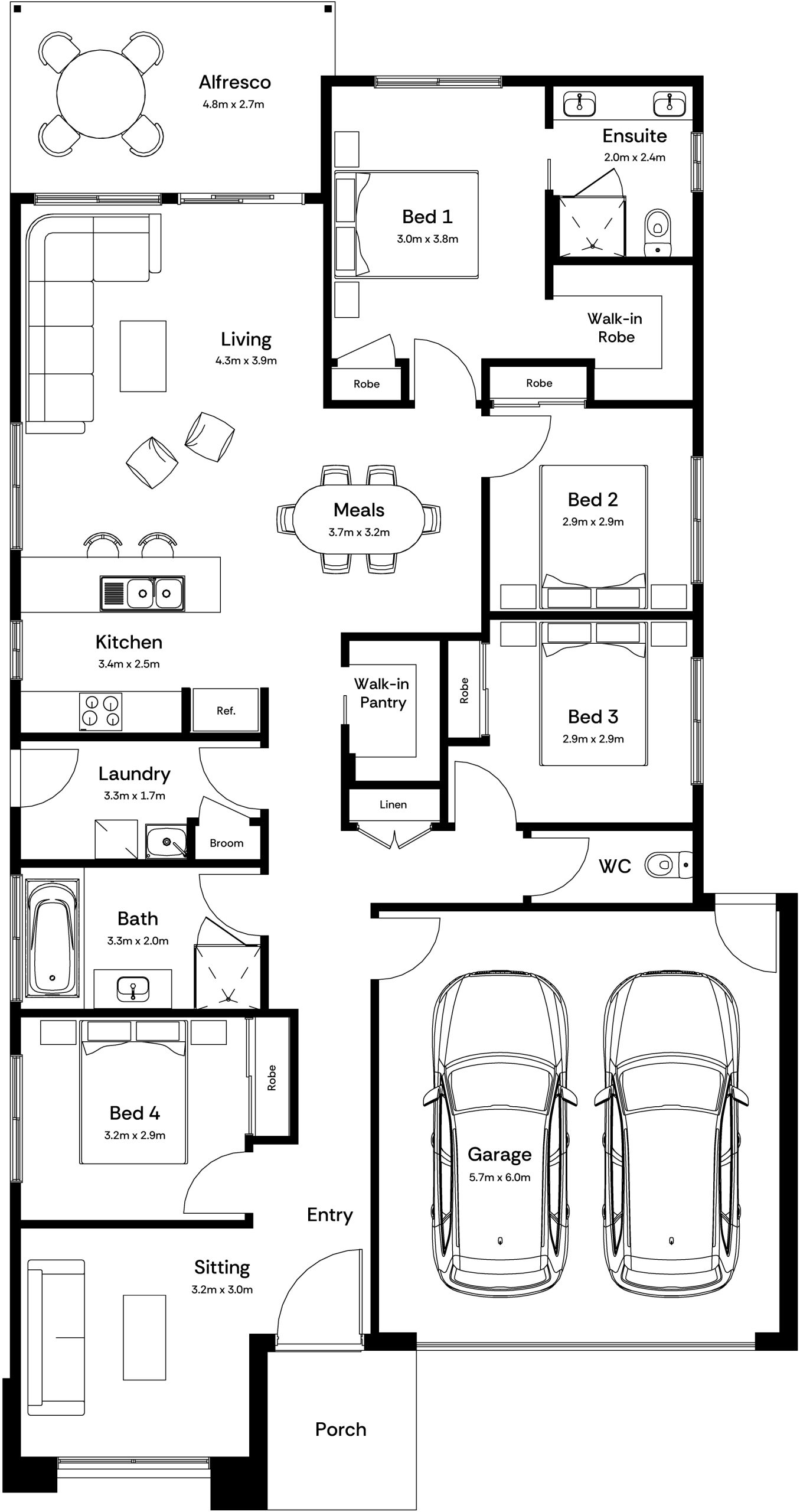
Untitled land
The trade-off for Untitled land is waiting. You can’t build yet, and you may be paying rent while you wait for a title date that could move.
In return, you usually get a lower price to buy in, and you lock in today’s price rather than tomorrow’s. Because the land balance isn’t due until the block titles, you also get more time to save, sort your finance and plan your home.
Why the difference matters
Titled or untitled changes three things: your timeline, your finance, and when you can build.
Your timeline. With titled land, you can settle and get started soon. With untitled land, everything waits until the block titles. If the estate is early in its development, that could be many months away.
Your finance. Lenders treat the two differently. Your land loan can’t be settled until the block is titled, and if you’re building, your construction loan only starts once the land has settled. On untitled land, that means holding your pre-approval for longer, and your lender may ask for updated paperwork closer to settlement.
When you can build. You can’t build on untitled land. Construction only begins once the land is titled, you’ve settled, and your building contract is in place.
What they both cost
Buying untitled land can mean paying less stamp duty, and there’s a specific reason why.
Stamp duty (officially land transfer duty) is worked out on the dutiable value of what you buy. For vacant land, the State Revenue Office assesses the value of the land alone; it does not include the cost of your building contract. So buying land and building on it is treated differently from buying a home that’s already finished.
As a first home buyer in Victoria, you may also be eligible for help. As at July 2026, the State Revenue Office lists:
- A First Home Owner Grant of $10,000 for eligible buyers building or buying a new home, up to a $750,000 cap. A house and land package can count as a new home.
- A stamp duty exemption where the dutiable value is $600,000 or less, and a concession on a sliding scale from $600,001 to $750,000. This can apply to vacant land you intend to build your first home on.
These come with conditions, including moving into the home within 12 months of settling and living there for at least 12 months. Amounts and rules can change, so check your eligibility and the current figures directly with the State Revenue Office at sro.vic.gov.au, or ask your broker or conveyancer.
What happens if your land is delayed
Delays are common, and usually not a disaster. Weather, a long wet season, or council and infrastructure hold-ups can all push a title date out. If that happens, your site start moves with it, and a good builder will keep you across any changes.
You also have protections. Untitled land is sold under an off-the-plan contract, and those contracts include a “sunset clause”, a final date by which the land has to be titled. In the past, some developers used these clauses to cancel contracts and resell blocks for more after prices rose.
Victorian law changed that. Under the Sale of Land Act (amended in 2019), a developer generally can’t cancel your contract under a sunset clause on their own. They need your written consent, with at least 28 days’ notice, or an order from the Supreme Court. In short, you can’t simply be pushed off your block because the market moved.
The detail lives in your contract, so it’s worth having your conveyancer or solicitor explain the sunset date and your rights before you sign.
Which is right for you?
A simple way to think about it:
Untitled land may suit you if you want a lower price to get in, you’re comfortable waiting, and you’d value the extra time to save and plan. It works well when you’re not in a rush and want your money to go further.
Titled land may suit you if you want certainty, you’re keen to stop renting, or you’re building to a set timeline. You’ll usually pay more, but you trade that for a faster, clearer path to your keys.
There’s no wrong answer here, just the one that fits your budget, your timeline, and how much certainty you want.
Questions to ask before you buy
Whether a block is titled or untitled, these are worth asking upfront:
- Is this block titled or untitled?
- If it’s untitled, what’s the estimated title date, and what’s the sunset date in the contract?
- What happens to my deposit and my rights if the title is delayed?
- When would I need to settle, and when could I start building?
- How will my finance work between now and settlement?
Write the answers down, and get your conveyancer to check the contract before you commit.
Building your first home with Mayde
We build for first home buyers across Victoria, and a lot of that is house and land in growth-area estates, which means untitled land comes up often. If you’re weighing up a block and you’re not sure what the title situation means for your build, that’s the kind of thing we can walk you through.
Take a look at our house and land packages, or have a chat with our team about where you’re up to.