5% vs 20% Deposit: Is Lenders Mortgage Insurance (LMI) Worth It?

For years, Australians have been told the same advice: save a 20% deposit before buying a home. And sure, there’s logic behind it. A bigger deposit can help you avoid Lenders Mortgage Insurance (LMI), borrow less, and potentially access sharper rates. But let’s be real. Saving 20% can feel like trying to catch a tram that keeps speeding up.
That’s why more buyers are looking at the 5% deposit path instead. It can help you get into the market sooner, but it often comes with LMI attached. So, is paying LMI a setback or a smart shortcut to getting the keys sooner?
Let’s break it down.
What is Lenders Mortgage Insurance (LMI)?
LMI is usually a one-off cost charged when you borrow more than 80% of a property’s value. If your deposit is under 20%, there’s a fair chance LMI will apply. Now for the bit that catches people off guard: LMI protects the lender, not you. If repayments stop and the lender sells the property for less than what’s owed, LMI helps cover their loss.
LMI allows lenders to approve loans for buyers with smaller deposits, which means many Australians can buy years sooner than they otherwise could.
Learn more about what Lenders Mortgage Insurance is.
The 20% Deposit Option
Saving a 20% deposit is the traditional path. It can put you in a stronger position from day one.
Benefits often include:
- Typically, no LMI to pay
- Lower loan amount
- Lower monthly repayments
- More equity from day one
- Potential access to more competitive rates
For example, if you buy a $700,000 property with a 20% deposit, you would contribute $140,000 and borrow $560,000.
But for many first-home buyers, the challenge isn’t whether it’s smart. It’s how long it takes to get there.
The 5% Deposit Option
A 5% deposit is a different kind of strategy. Instead of waiting years to save more, you focus on getting in sooner.
Using the same $700,000 example:
- 5% deposit = $35,000
- Loan amount = $665,000
- LMI will most likely apply
For buyers with steady income and borrowing capacity, this path can mean swapping rent payments for mortgage repayments sooner. Yes, the loan is larger. Yes, LMI adds cost. But it may also mean buying now instead of watching the goalposts move again next year.
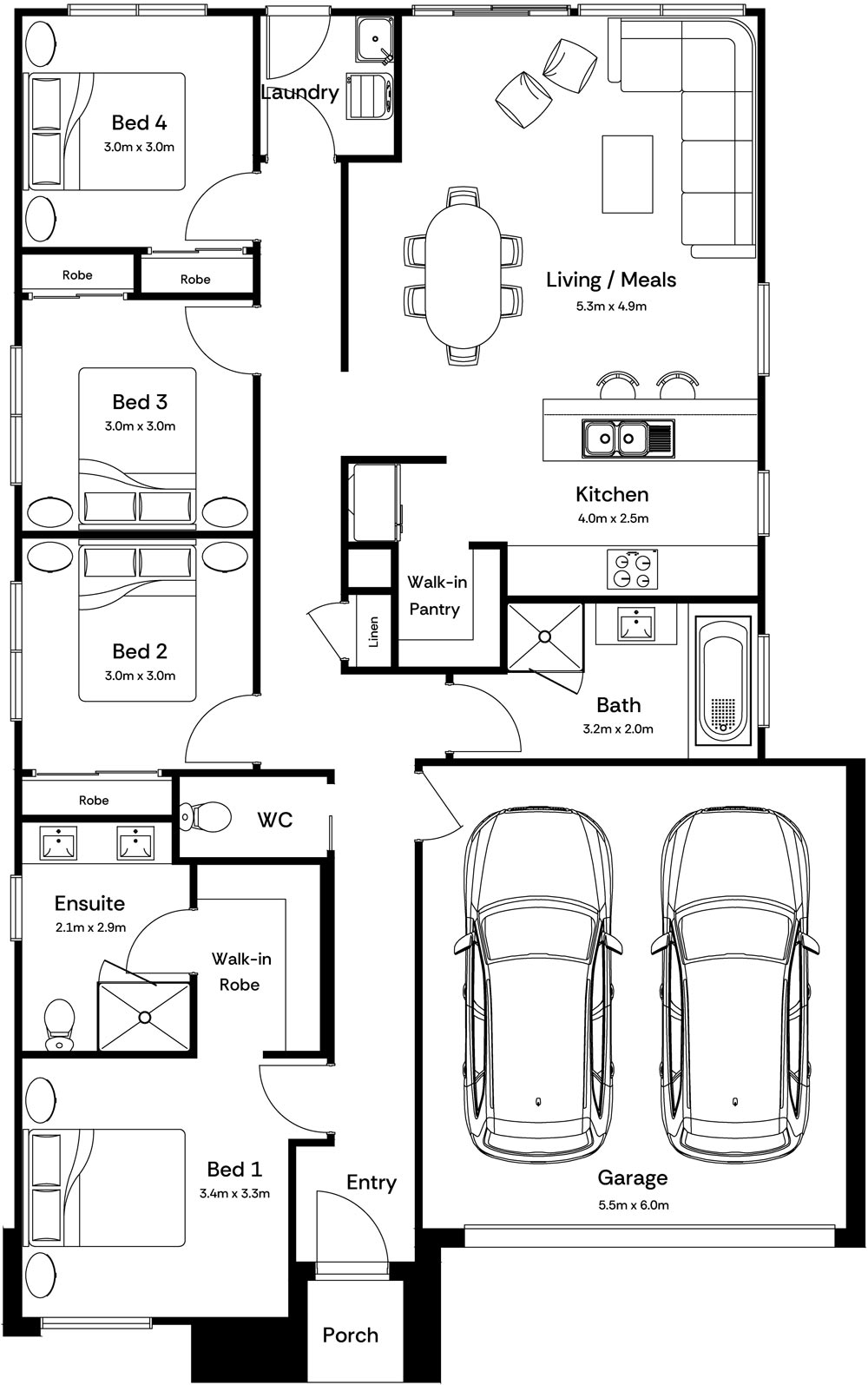
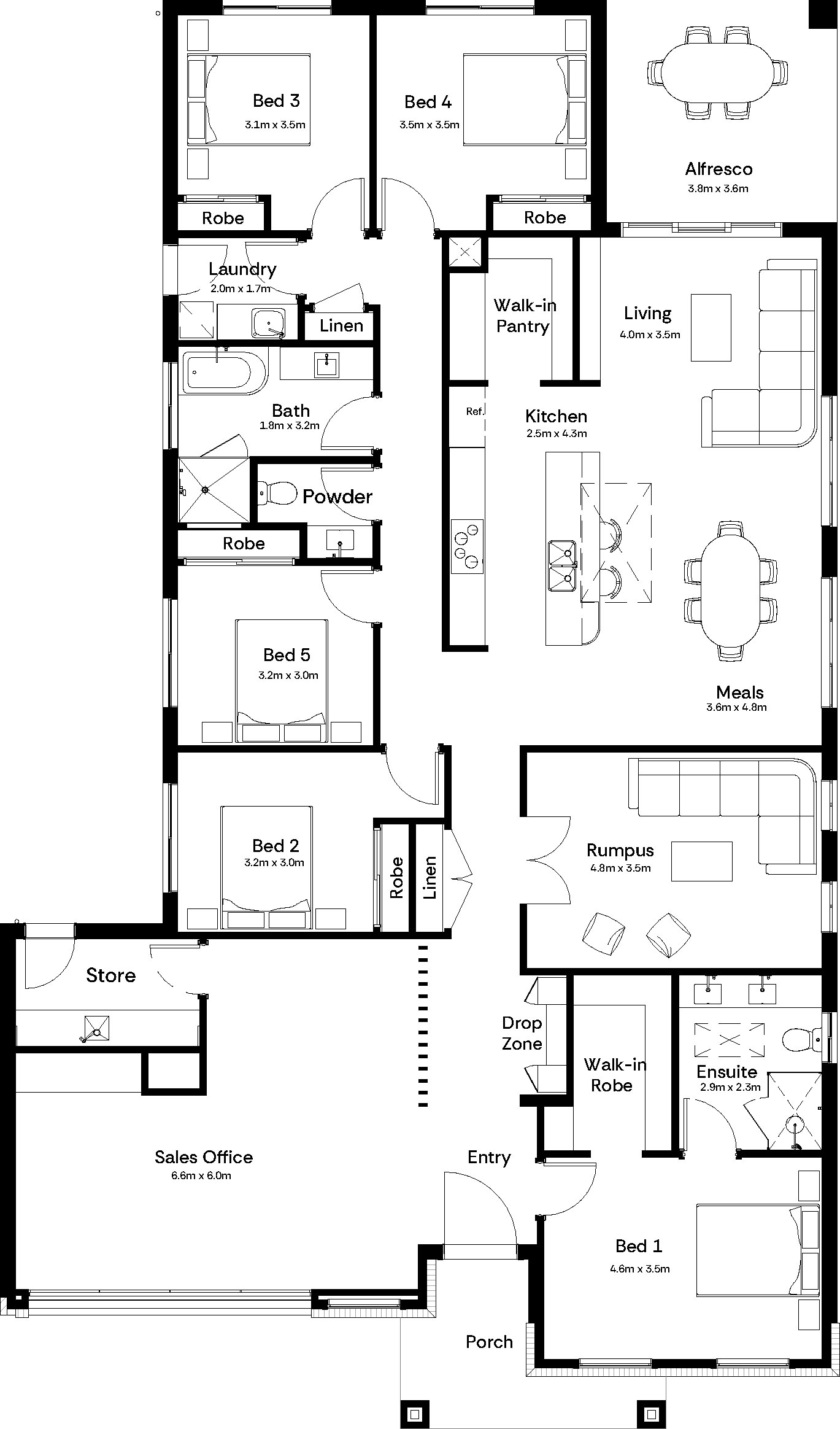
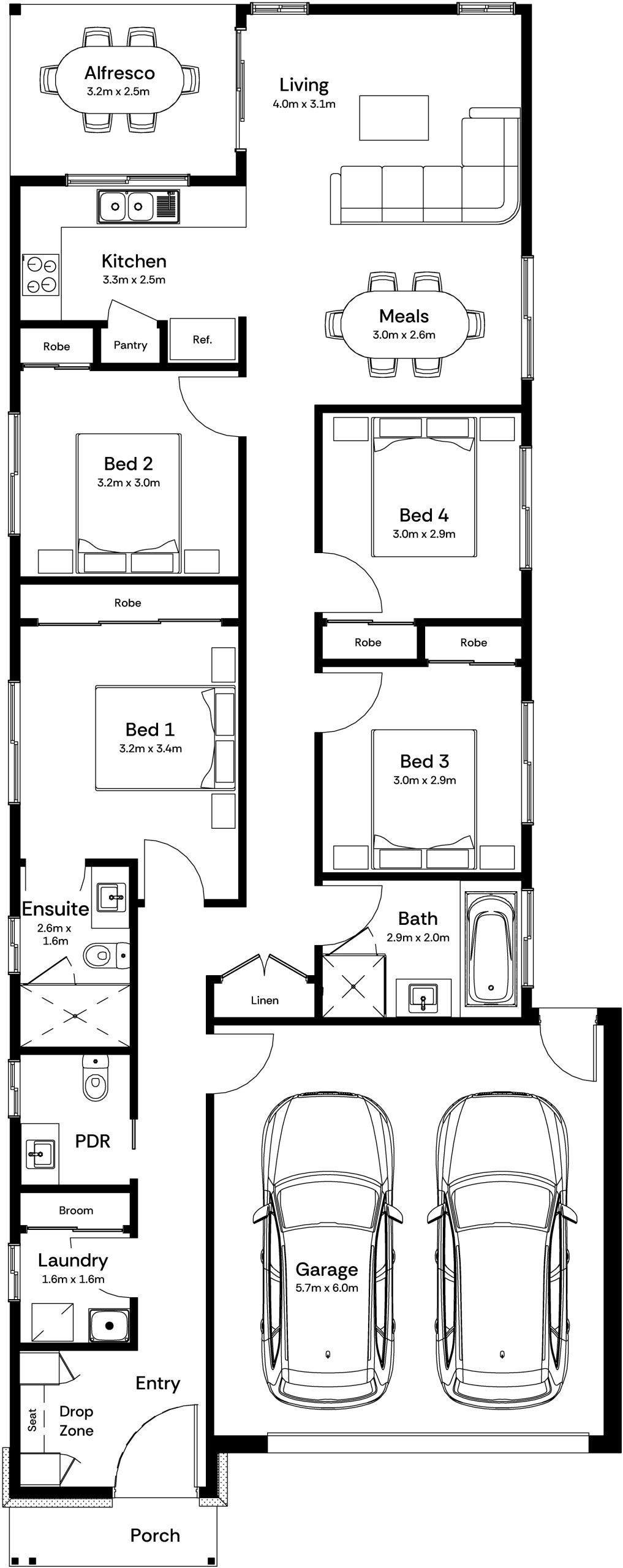
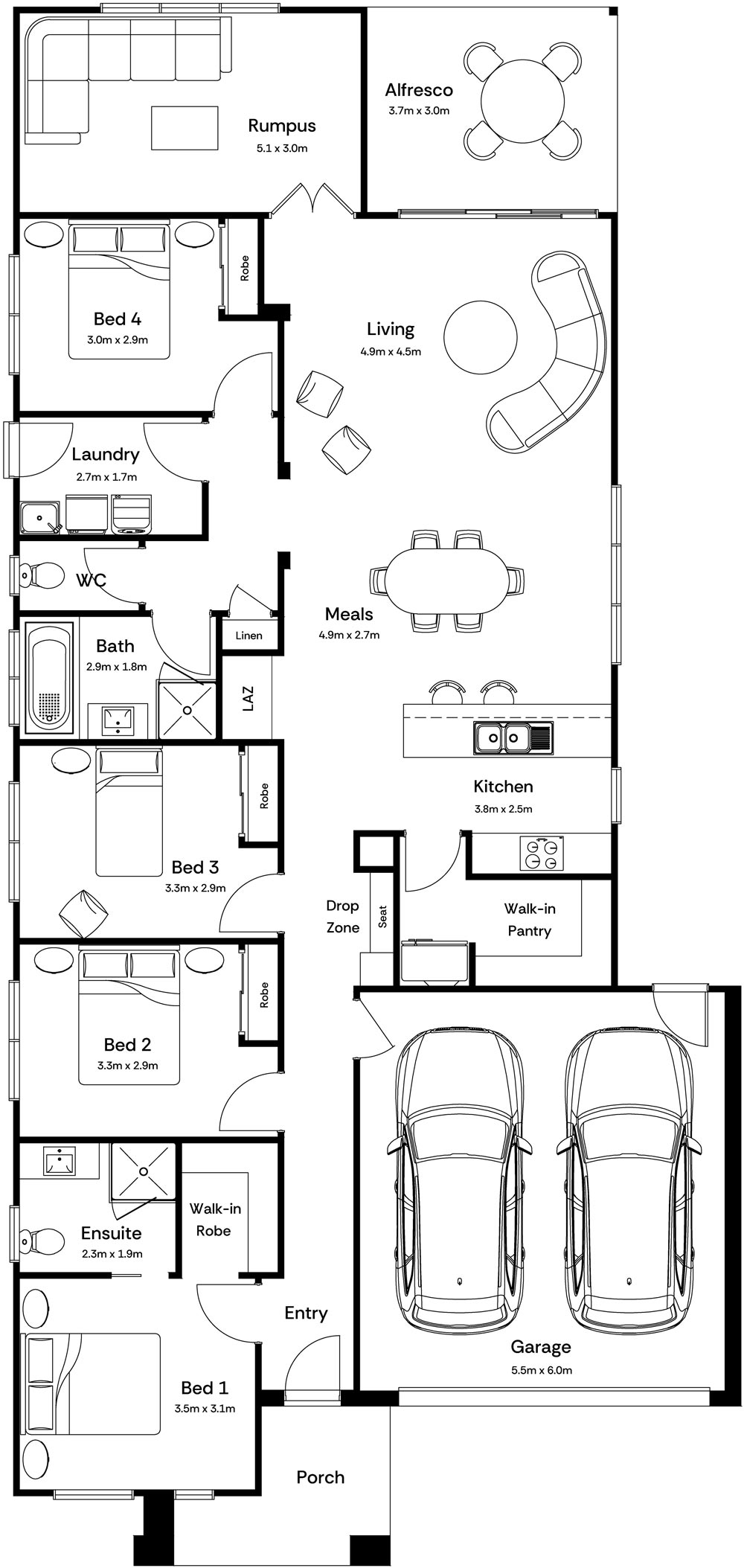
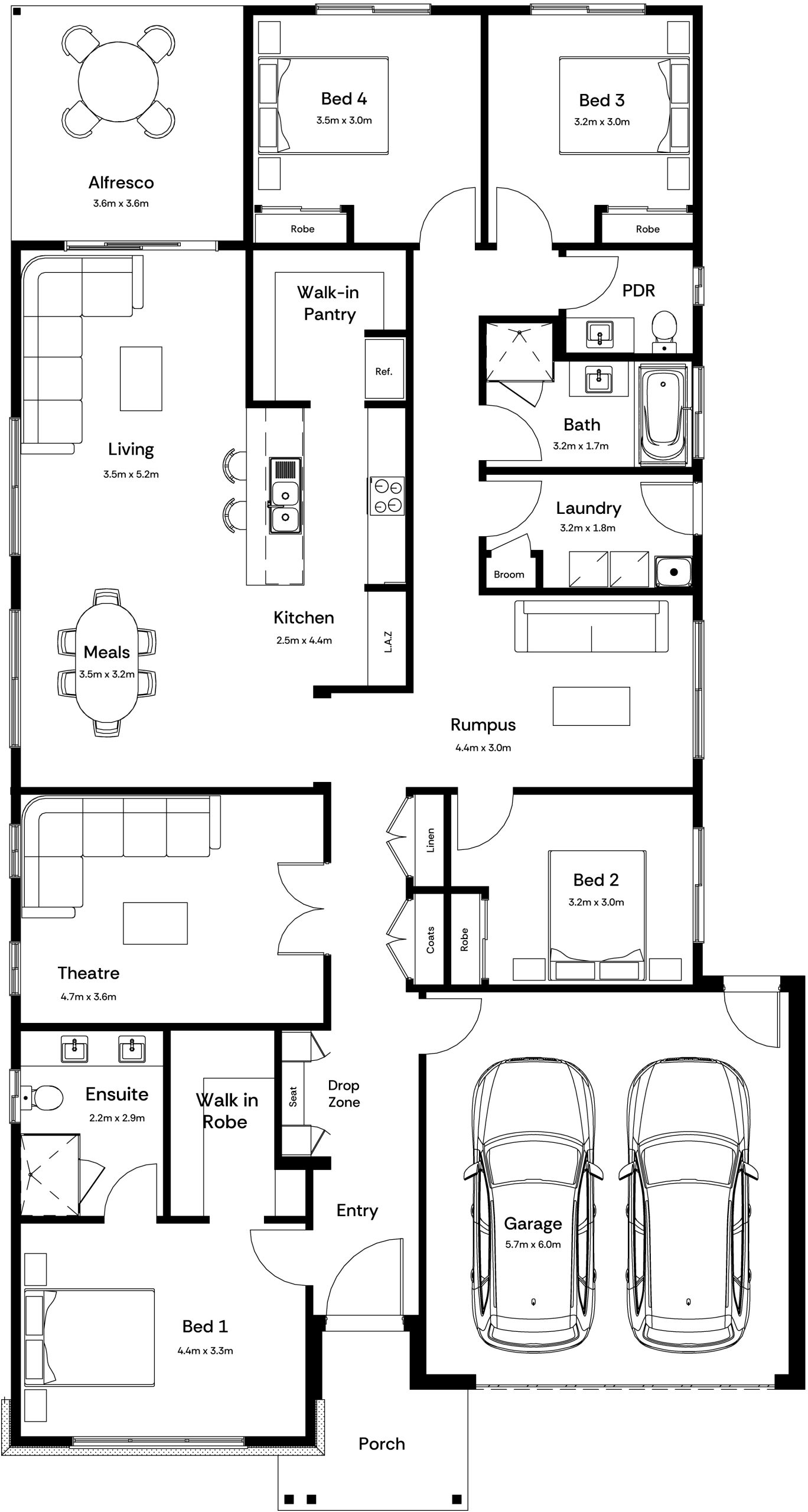
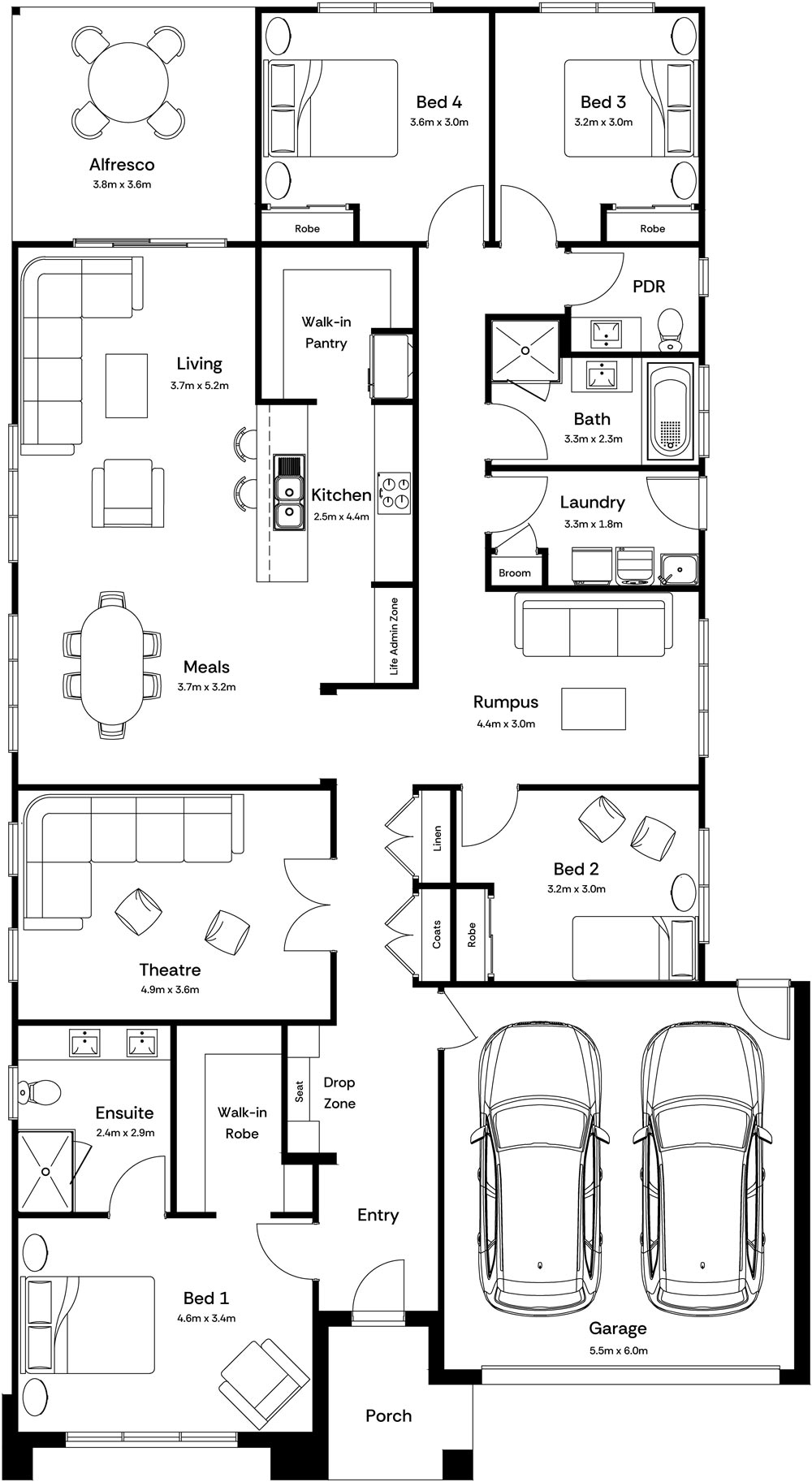
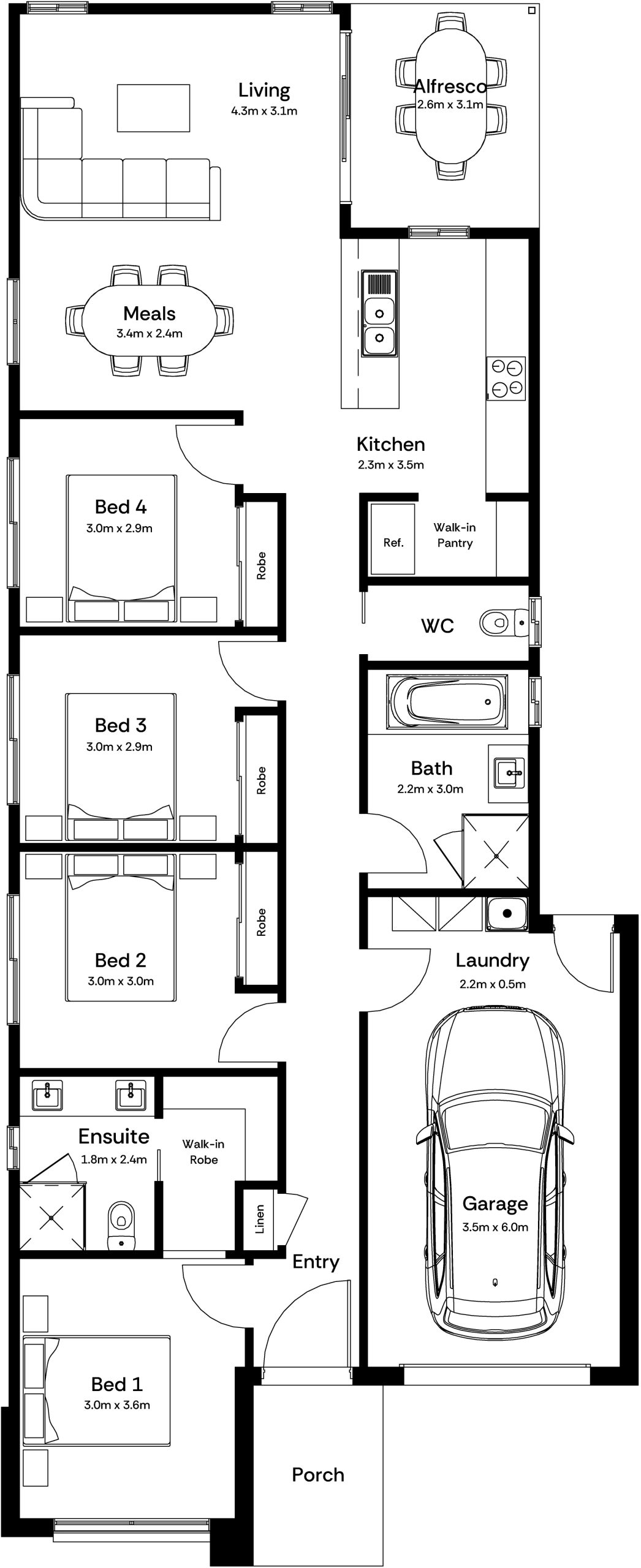
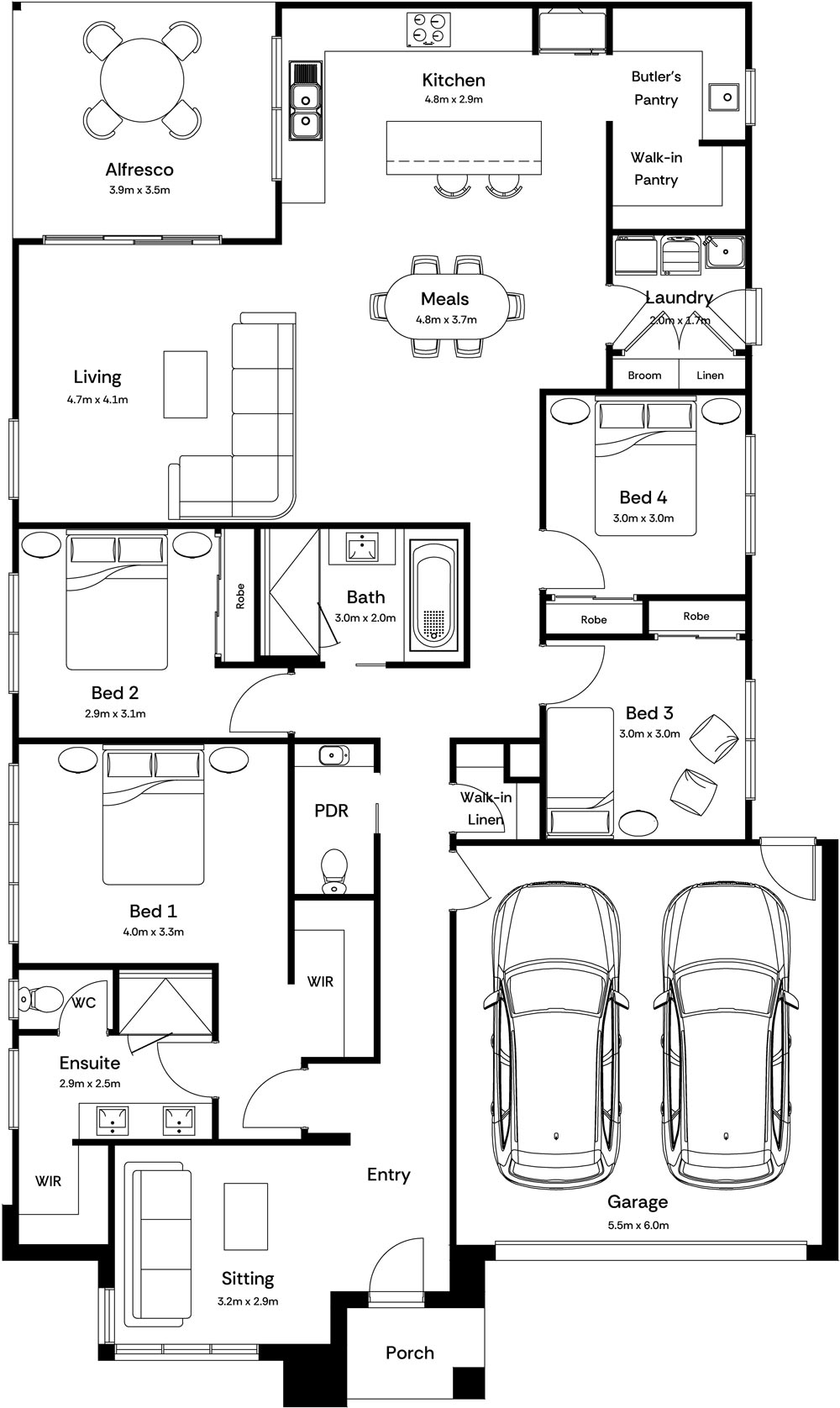
Buying with 5% can help you enter the market sooner, especially if your income supports repayments. Learn about Mayde’s low deposit house and land packages to find options that may suit.
When Paying LMI Can Make Sense
LMI gets a bad rap. Sometimes deserved. Sometimes not. Here are a few situations where it can be worth considering.
1. Property Prices Are Rising
If prices in your target area are climbing faster than you can save, waiting can cost more than the LMI itself.
Paying $20,000 in LMI may feel painful. Missing out on $50,000 of growth while you wait? Also painful.
2. You Want to Escape Renting
Rent can make saving harder. If you’re paying hundreds each week and struggling to build momentum, buying sooner may help redirect that money into your own future instead.
3. Your Income is Strong, but Savings Are Limited
Some buyers earn well but haven’t had years to build a deposit. If repayments are manageable, using a smaller deposit may help bring your plans forward instead of putting life on hold.
When Waiting for 20% Might Be Better
There are also times when patience can pay off.
1. Repayments Would Stretch You Too Far
If buying with 5% leaves no breathing room, that pressure can follow you long after settlement day.
2. You Are Buying in a Flat Market
If property prices are stable or softening, there may be less urgency to rush in with a smaller deposit.
3. You Are Close to the 20% Goal
If you’re not far off a 20% deposit, waiting a little longer could help you avoid LMI and reduce what you borrow overall.
Ways to Avoid LMI Without a 20% Deposit
There may be options available that allow you to buy sooner without paying LMI.
Government Schemes
Eligible first-home buyers may access programs such as the Home Guarantee Scheme, where you can purchase with a smaller deposit and avoid LMI.
Guarantor Loans
Some buyers use a family guarantor, where equity in someone else’s home helps secure the loan.
Professional Waivers
Certain professions, such as doctors, lawyers, and accountants, may qualify for LMI waivers with some lenders.
These pathways depend on eligibility and lender policy, so tailored advice is important.
So, Is LMI Worth It?
There is no one-size-fits-all answer.
If paying LMI helps you secure the right property sooner, stop renting, and benefit from long-term growth, it may be a worthwhile investment.
If it pushes your finances too hard or you are close to a 20% deposit already, waiting could be the smarter move.
The real cost is not just the LMI premium. It is also the cost of waiting, the cost of renting longer, and the cost of missing opportunities.
Your Next Step
Buying your first home is a big move. Exciting, nerve-wracking, and full of decisions. You don’t need to know everything before you begin. You just need to know your options.
Whether you’re working with 5%, aiming for 20%, or somewhere in between, the right strategy starts with numbers that make sense for you. Check out our breakdown of how much deposit is required for a first home in Victoria to map out your timeline.
That’s where a financial specialist comes in. They’ll help you weigh it all up and move forward with confidence.