Land contract vs building contract: what’s the difference?
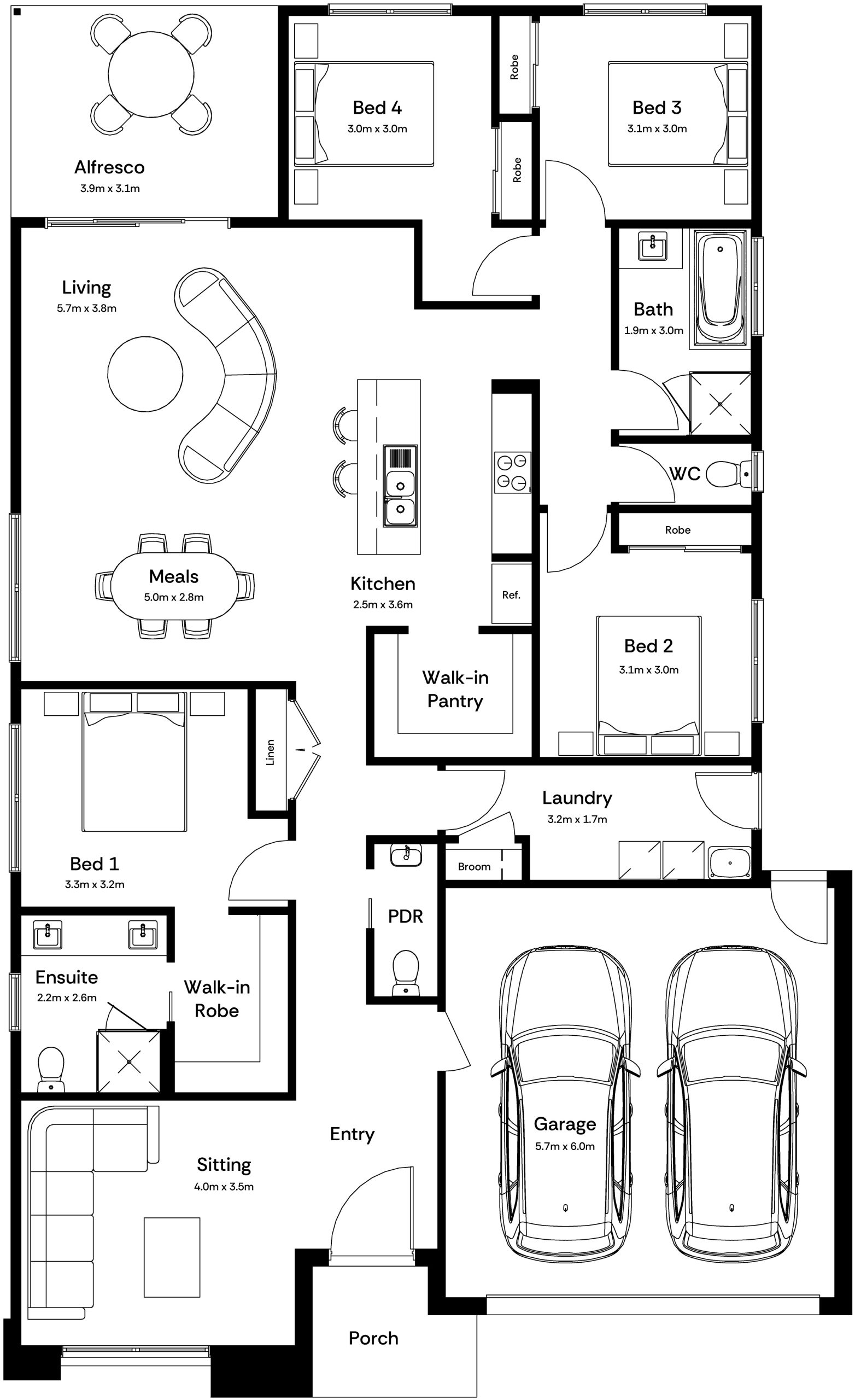
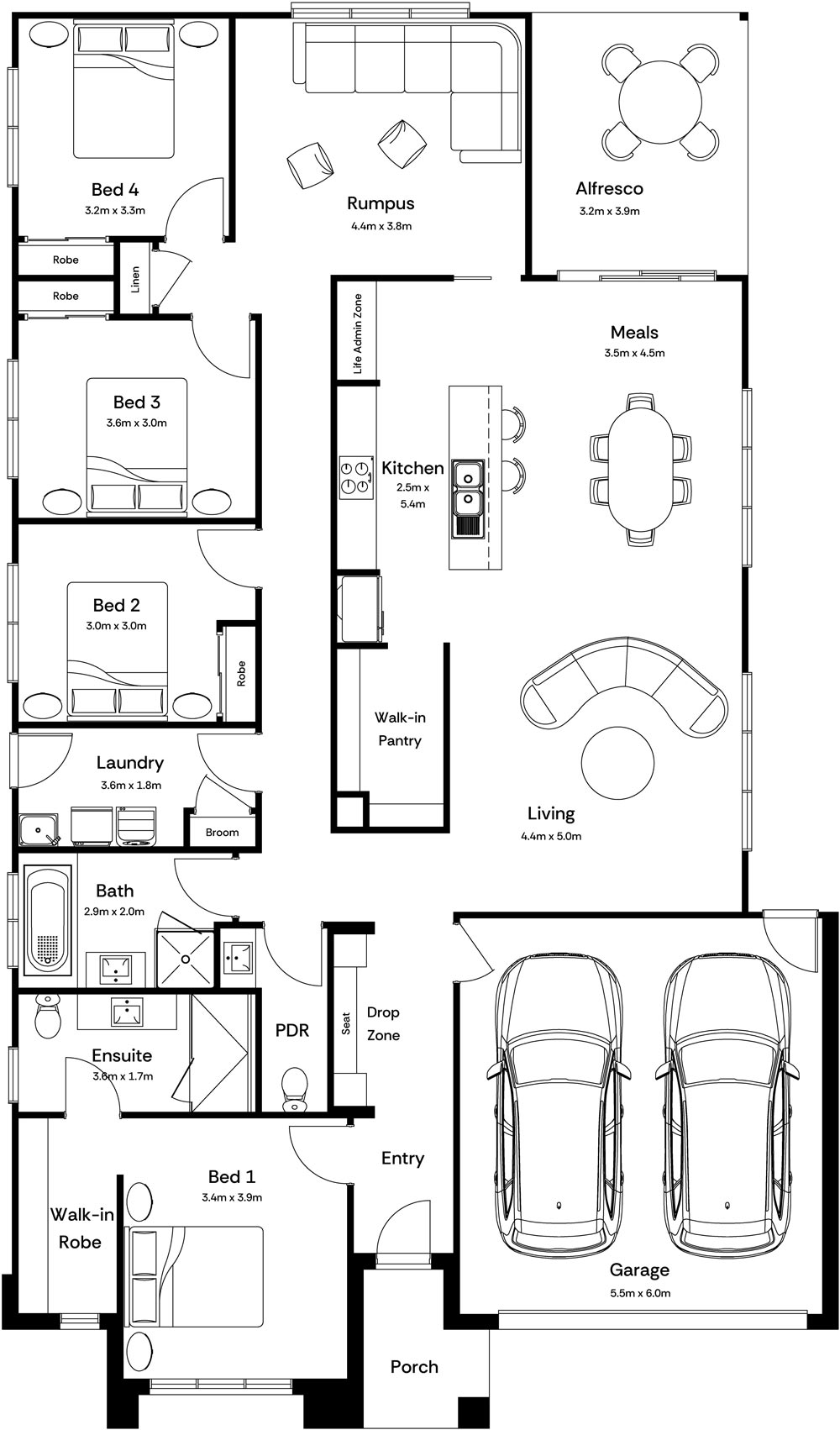
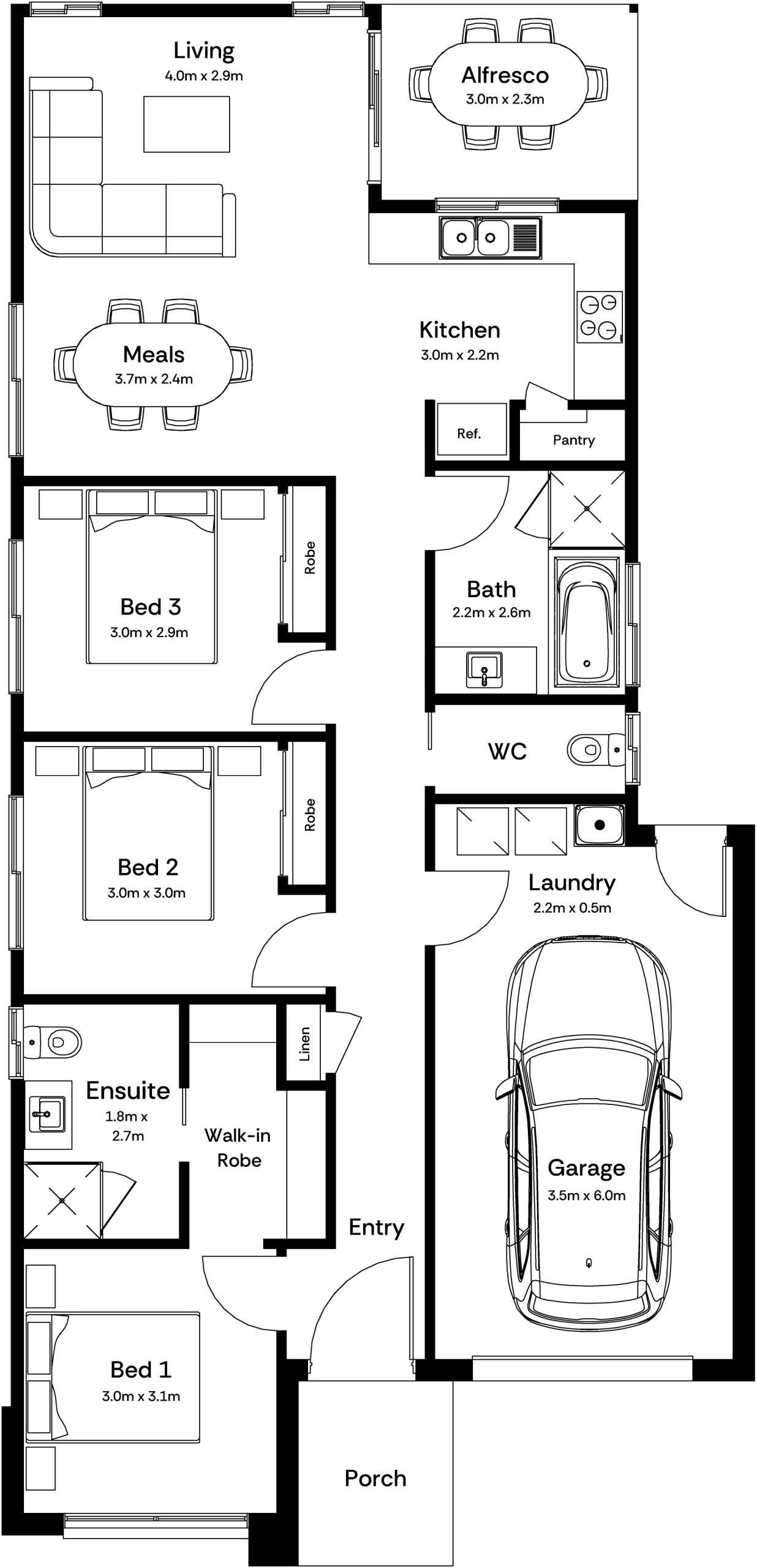
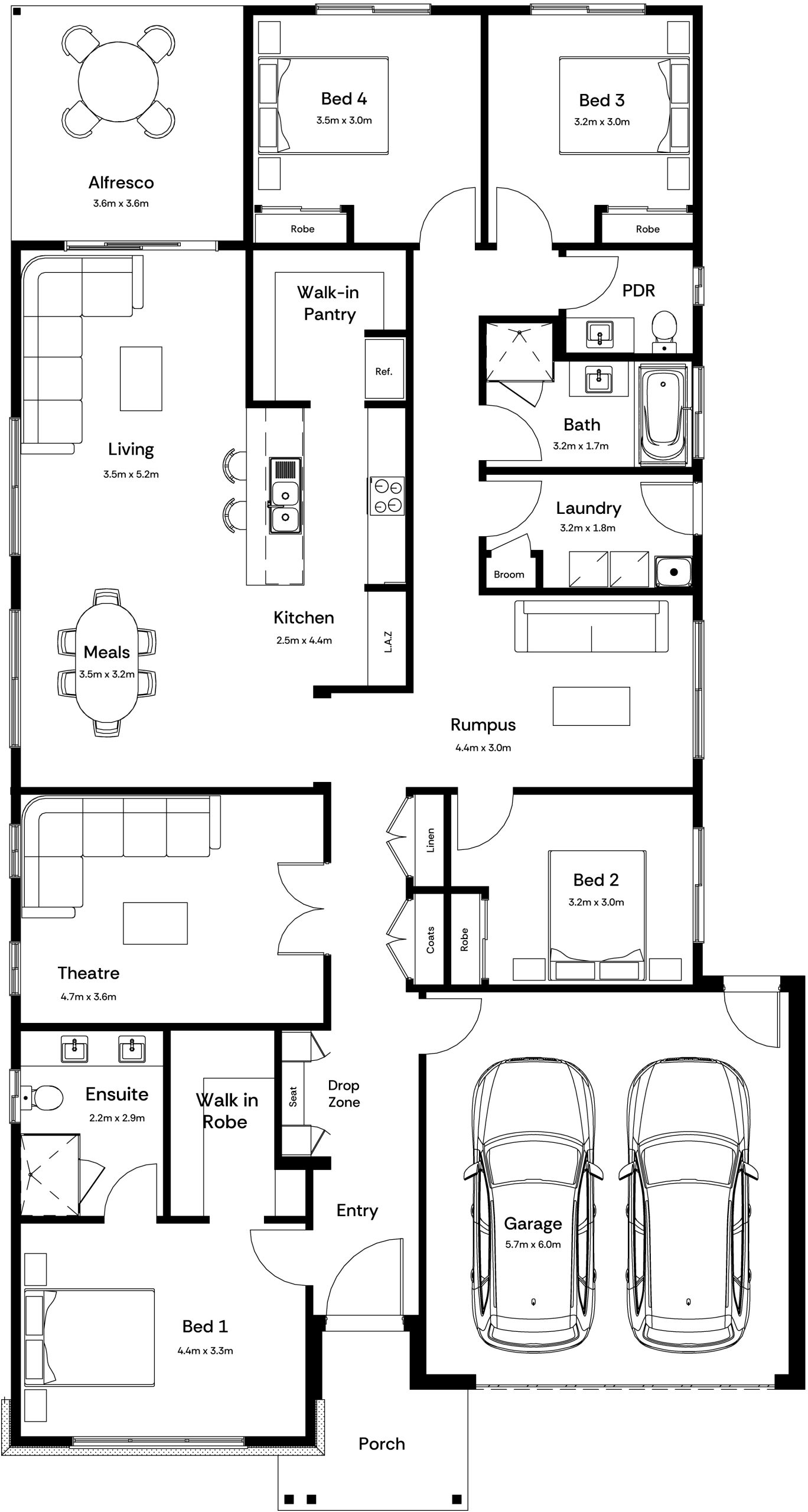
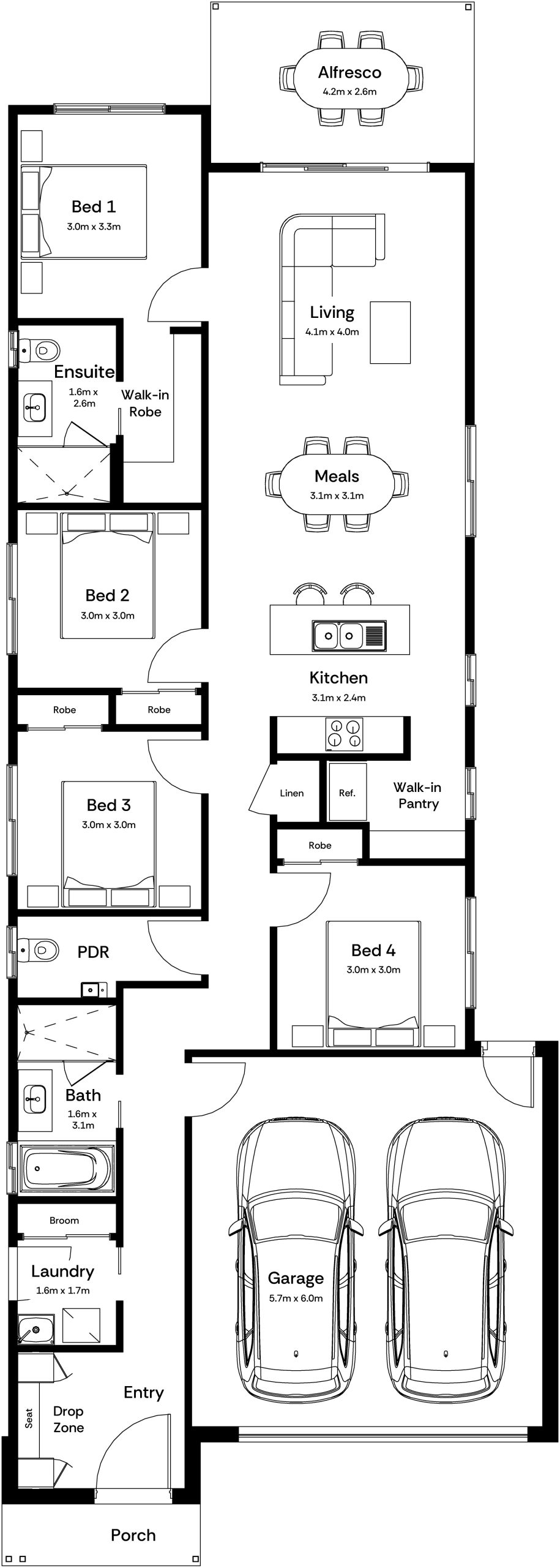
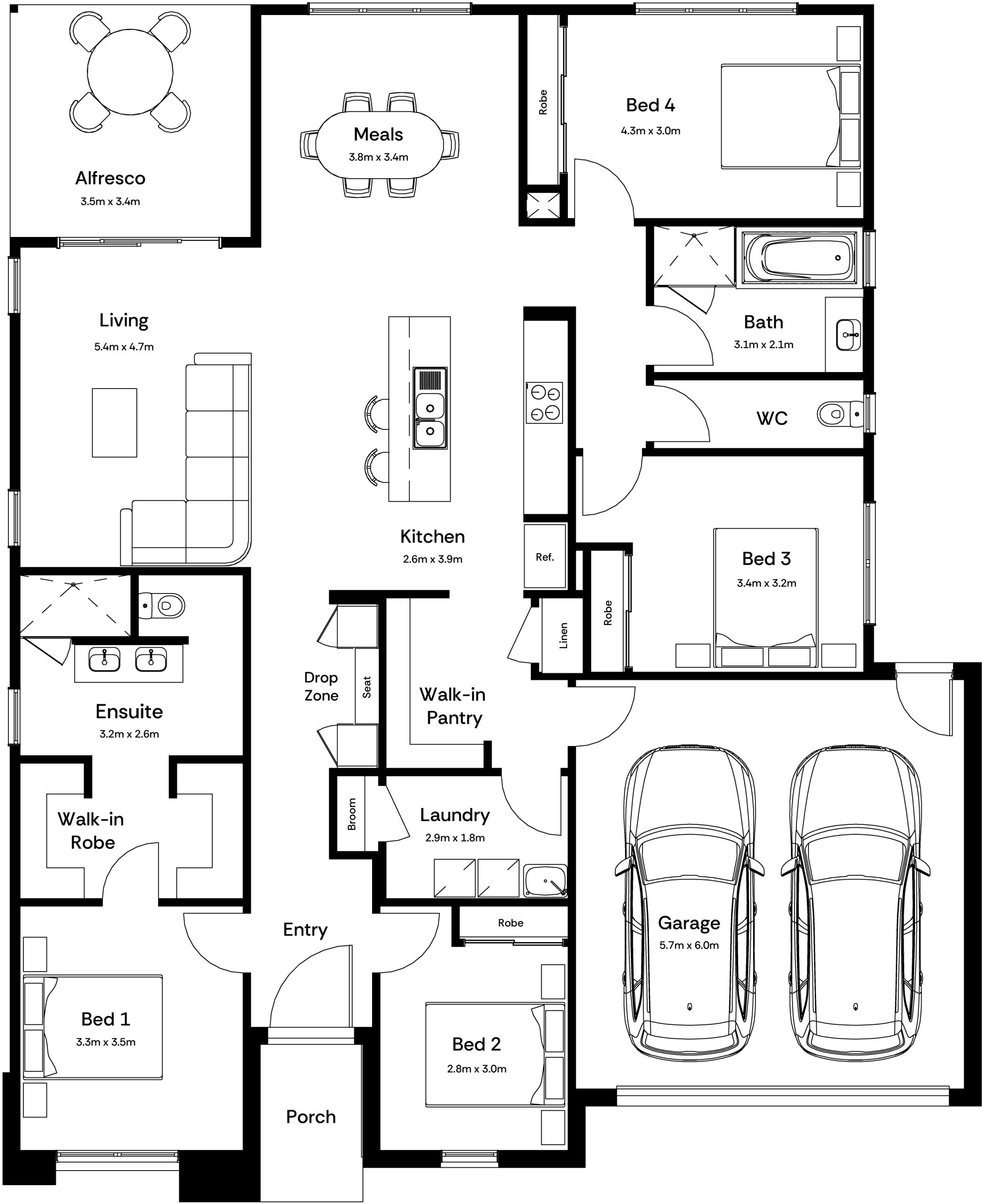
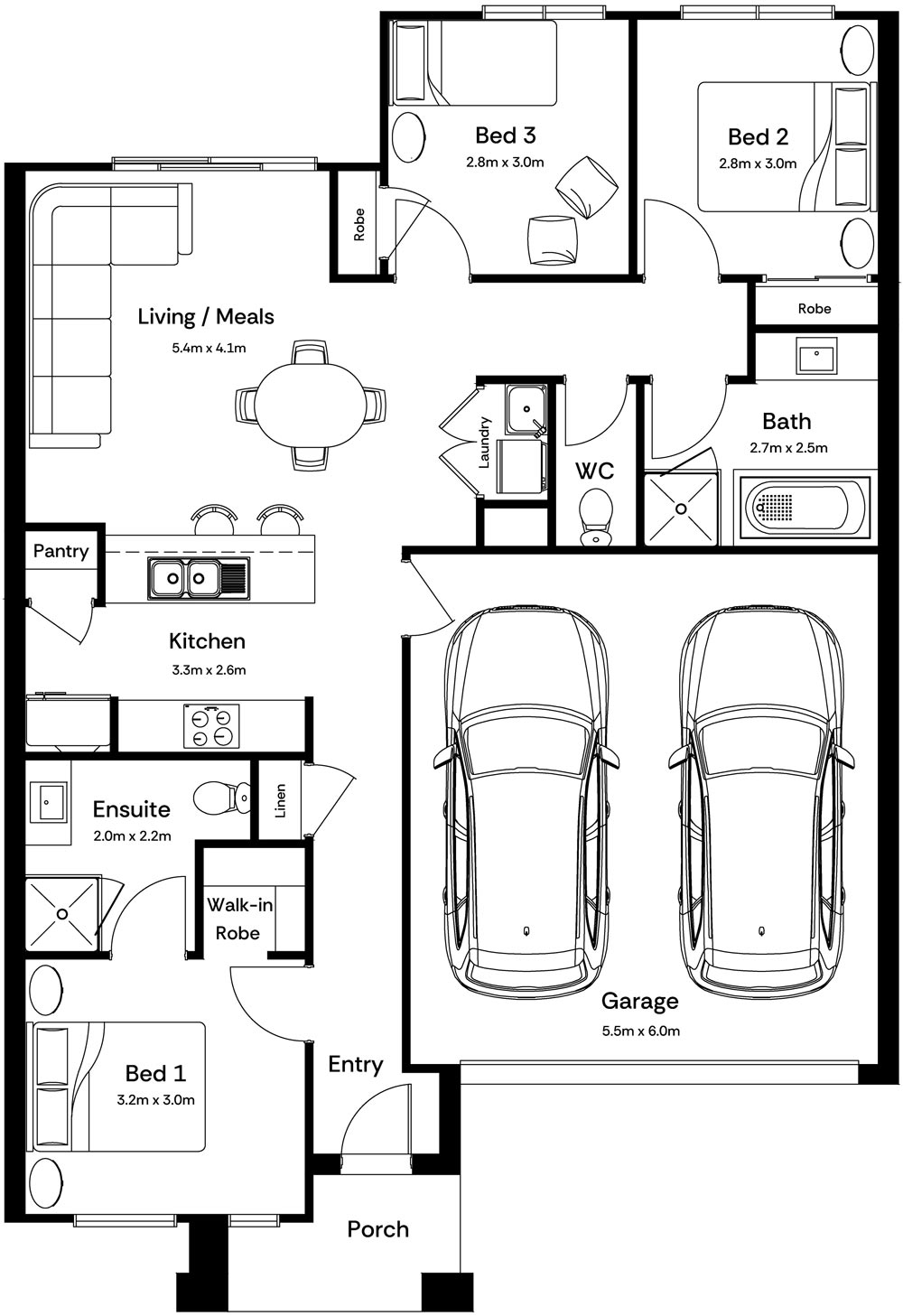
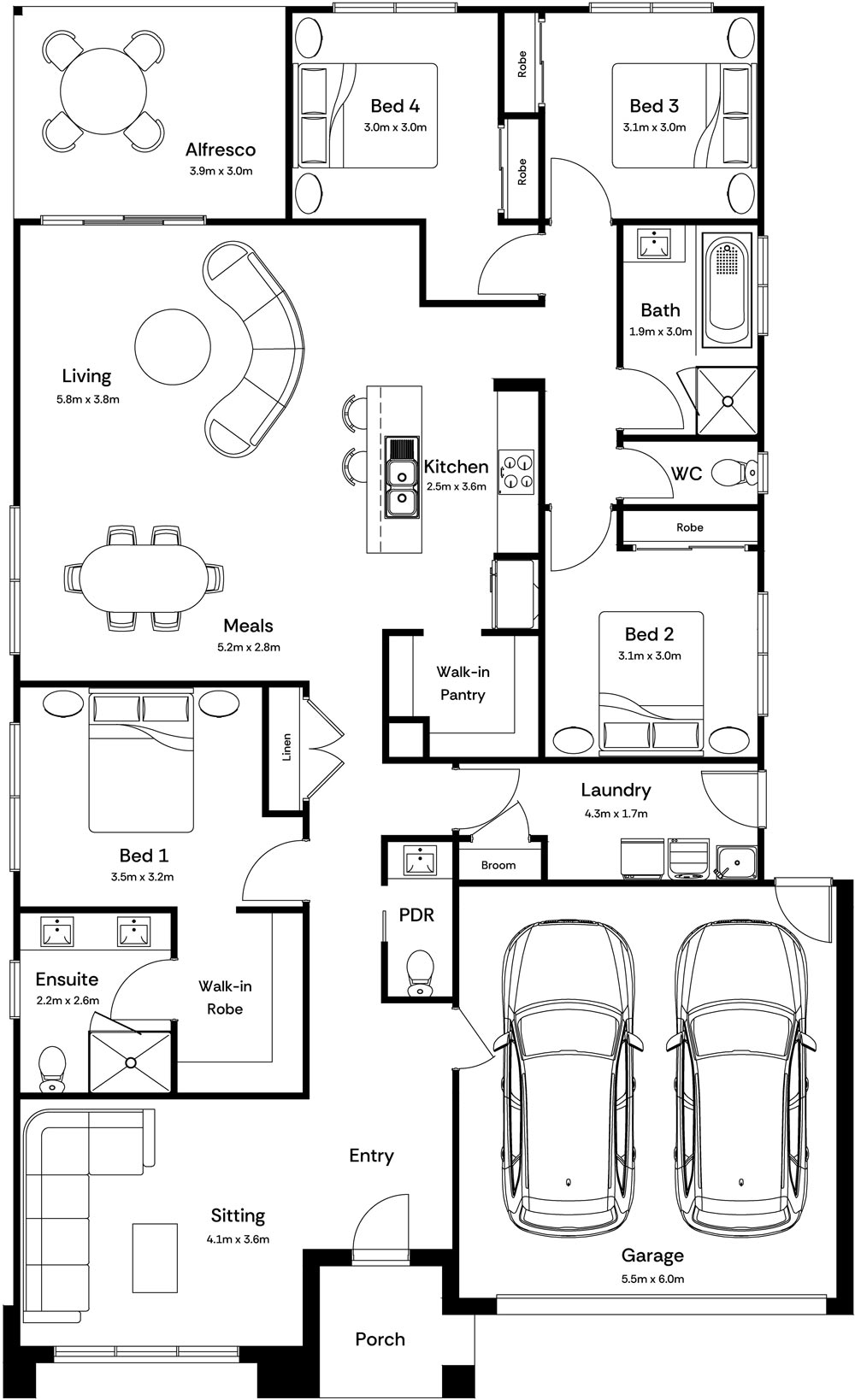
If you are looking at a house and land package for your first home, you will probably hear about a land contract and a building contract.
Despite being advertised as one house and land package, you will usually sign two separate contracts. One is for the block of land and the other is for the construction of your home. This is the standard structure used across many house and land packages.
It sounds more complicated than it is, but the difference matters. Each contract covers something different, may involve a different party and has its own price, timing, conditions and obligations.
Here is what first home buyers should understand before signing either one.
Why are there two contracts in a house and land package?
A typical house and land package brings together two separate things:
The land is commonly owned and sold by a land developer or another landowner, while the home is constructed by the builder.
That means you are usually entering into one agreement to buy the land and another agreement to build the home.
The two may be presented together as a package because the home design has been matched to a particular block, but legally they remain separate agreements.
What is a land contract?
The land contract, sometimes called a contract of sale, is the agreement to purchase the block of land.
It is usually between you and whoever owns the land, which may be the estate developer or another landowner.
The contract sets out the terms under which you are buying the property. Depending on the particular contract and land, this may include things such as:
If you are buying land that has not titled yet, there can be a significant gap between signing the contract and actually settling on the block.
This is one reason it is important to understand the expected title timing before you commit.
What does land settlement mean?
Settlement is when the land purchase is completed and ownership transfers to you.
You pay the balance of the purchase price, usually with the help of your lender if you are financing the purchase, and the land is transferred into your name.
If you are buying untitled land in a new estate, settlement cannot happen until the relevant lot has been created and registered. In Victoria, Consumer Affairs Victoria specifically warns buyers that delays to subdivision registration can affect a linked building contract and recommends having the two agreements checked together.
What is a building contract?
The building contract is the agreement between you and the builder to construct the home on your land.
This is where the details of the actual house should be documented.
Depending on your contract, it can cover things such as:
Both Victoria and Queensland have specific laws governing domestic building contracts, although the exact requirements differ between the two states. Consumer Affairs Victoria requires detailed plans, specifications, pricing and payment information in applicable domestic building contracts, while the QBCC similarly requires Queensland building contracts to document matters including the scope, price, plans and specifications and completion timing.
Land contract vs building contract at a glance
| Land contract | Building contract | |
|---|---|---|
| What are you buying? | The block of land | Construction of your home |
| Who is it usually with? | Landowner or developer | Builder |
| What is the price for? | Land | Building the home |
| Main timing point | Land settlement | Construction period |
| Payments | Deposit and balance at settlement | Deposit and progress payments |
| Key things to check | Lot, title, settlement, conditions and restrictions | Plans, inclusions, price, site costs, timing and variations |
| When is it complete? | When the land settles | When the contracted building work is completed |
The exact terms will always depend on the contracts you are given.
Does the land contract come first?
Often, but not necessarily by very long.
With a house and land package you may secure the block and home around the same time, particularly when a builder and developer have already matched a particular home design with a particular lot.
The important thing is not which document lands in your inbox first. It is making sure you understand both agreements before becoming committed to the overall purchase.
You do not want to discover after signing the land contract that the home you planned to build cannot fit the block, does not meet estate requirements or costs significantly more than you expected.
Likewise, you do not want to sign a building contract without understanding when the land is expected to title and settle.
The two contracts need to work together
This is probably the most important part.
Although the land and building are presented as one package, the contracts themselves are separate.
That means you should not assume that something happening with one contract automatically changes or cancels the other.
For example, if untitled land is significantly delayed, you need to understand what that means for your building contract and its timeframes. Consumer Affairs Victoria specifically advises buyers of house and land packages to check that their building contract appropriately deals with land-registration timing and what happens if registration does not occur as expected.
Before signing, make sure you understand:
This is an area where having the contracts independently reviewed can be particularly useful.
What happens if your land is untitled?
Untitled land is common in new estates.
It generally means you are agreeing to purchase a block that is still being prepared and has not yet received its individual registered title.
You can sign the land contract before the title exists, but settlement takes place later once the required subdivision and registration processes have been completed.
That timing matters to your build.
If the title is delayed, the date your builder can move towards construction may also move. There can also be knock-on effects for finance, pricing and other timeframes depending on your agreements.
Ask what the expected title date is, but remember that an expected date is not necessarily a guaranteed one.
How do the two contracts work with finance?
Your lender needs to understand both the land purchase and the construction of your home.
Typically, the land portion is used to settle the block, while construction finance is released progressively as the home is built. Construction loans commonly use progress payments rather than releasing the full construction amount at the beginning.
This is another reason the combined package price is not quite the same thing as buying an established home for the same amount.
You are paying for two components at different points in the process.
Your lender or broker can explain exactly how this will work with your particular loan.
Does a fixed price house and land package still have two contracts?
Usually, yes.
The phrase fixed price house and land package does not necessarily mean you are signing one contract for one fixed amount.
You may still have a separate land price and building price that have been presented together to give you the overall package price.
It is also worth understanding exactly what fixed price means in your building contract.
Building contracts can still provide for changes in particular circumstances, including agreed variations and certain allowances or provisional items. Victorian consumer guidance, for example, specifically distinguishes fixed contract pricing from permitted adjustments such as variations, prime cost items and provisional sums.
So instead of stopping at “Is it fixed price?”, ask:
What is fixed, what is included and what could still change?
That will give you a much more useful answer.
What should you check in the land contract?
You do not need to become a property lawyer, but you should understand what you are agreeing to.
Before signing, make sure you are clear on:
A conveyancer or solicitor can review the contract and explain anything you are unsure about.
What should you check in the building contract?
The building contract deserves the same attention.
Make sure you understand:
Official guidance in both Victoria and Queensland recommends carefully reviewing the contract, plans and specifications and seeking legal advice if you do not understand the terms before signing.
Do the same rules apply in Victoria and Queensland?
The broad house and land structure is similar, but the laws governing contracts are not identical.
Victoria and Queensland have different legislation covering residential property sales and domestic building contracts, including differences in areas such as cooling-off rights, disclosure requirements, deposits, insurance and contract requirements.
That is why it is better to get advice based on the state you are buying in rather than relying on a generic contract checklist you found online.
Why get both contracts reviewed?
The land contract and building contract do different jobs, but together they determine whether your overall house and land plan works.
Having both reviewed can help you understand whether:
You may be very excited about choosing kitchen colours at this point. Unfortunately, the contracts are the part worth reading first.
Land and building contract FAQs
Is a house and land package one contract or two?
A typical house and land package involves two separate contracts: one to purchase the land and another with the builder to construct the home.
Who do I sign the land contract with?
Usually the owner or developer selling the block.
The builder may help coordinate the house and land package, but that does not necessarily mean the builder owns or sells the land.
Who do I sign the building contract with?
The building contract is entered into with the builder responsible for constructing your home.
Do I pay two deposits?
You may have separate payment or deposit obligations under the land and building contracts.
The amount, timing and legal requirements depend on the agreements and the state in which you are building, so check each contract rather than assuming the same rules apply to both.
What happens if my land title is delayed?
A delay to land registration can delay settlement and may affect when construction can begin.
What happens to your building contract will depend on its terms, which is why the relationship between the two contracts should be checked before you sign.
Does my building contract include the land?
Generally, no. In a typical two-contract house and land package, the land purchase sits under the land contract and construction of the home sits under the building contract.
When does the builder start building?
Construction generally cannot begin simply because you have signed the building contract.
The land needs to be ready for construction and relevant contractual, finance, approval and site requirements need to be satisfied first. The exact process and timing will depend on your block, builder and contracts.
Should I get both contracts checked before signing?
It is a good idea to have the contracts independently reviewed if you do not fully understand them.
Both Consumer Affairs Victoria and the QBCC recommend obtaining appropriate legal advice before signing building contracts, particularly where you have questions about your rights and obligations.
Two contracts, one first home
A house and land package is designed to make finding the home and block easier, but it is still important to understand what you are signing.
The simple version is:
Your land contract buys the block. Your building contract builds the home.
Read both, understand how they work together and ask questions about anything that is not clear before you commit.
Important information
Information on this page is general in nature and does not constitute legal, financial or property advice. Contract terms, deposit requirements, settlement arrangements, building requirements, consumer protections and other legal obligations can vary depending on the property, contract and state in which you are buying or building. Have your land and building contracts reviewed by an appropriately qualified legal professional and speak with your lender or mortgage broker about your finance before signing or making property decisions.
Information last reviewed: August 2026.