To rent or buy?
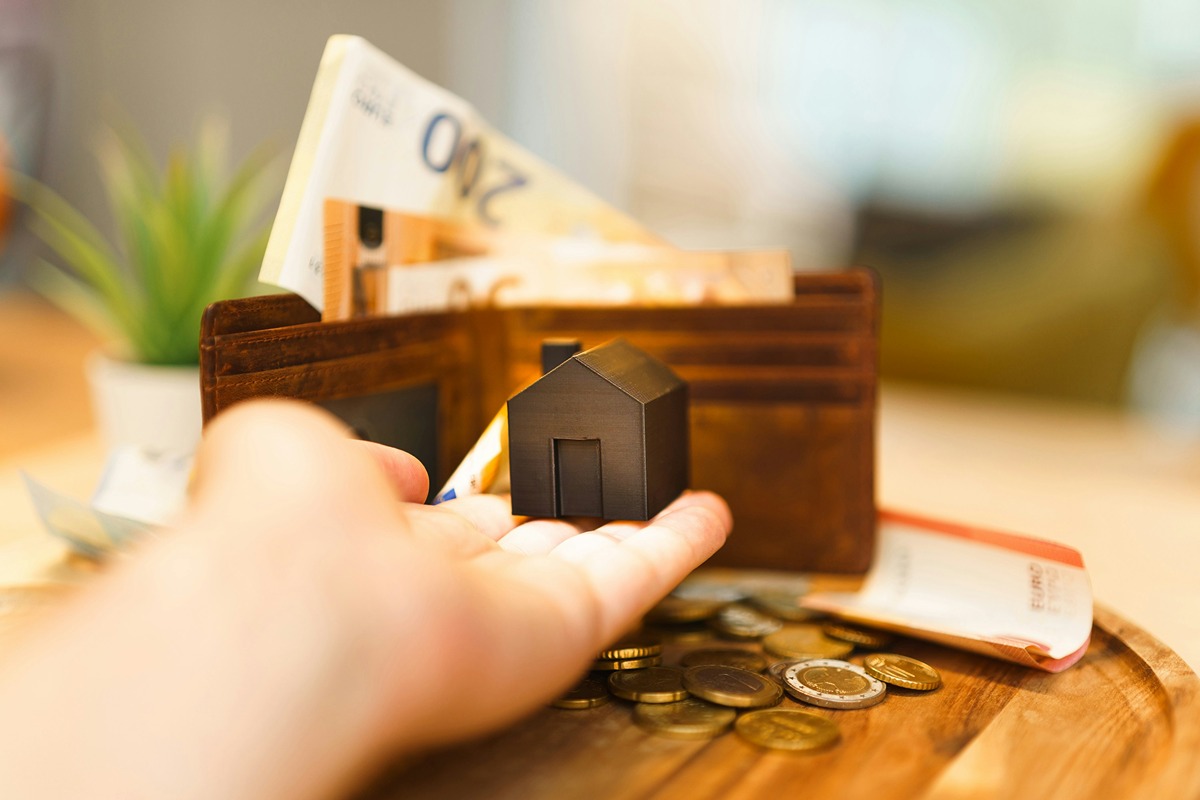
“Rent money is dead money.” It’s one of those lines people love to repeat, especially when you’re thinking about buying your first home. But the truth is a little more complicated.
Renting can make sense if you need flexibility, are still building your savings, or are not sure where you want to settle yet. Buying can make sense if you are ready for more stability, can manage the repayments, and want to start building equity in a place of your own.
There is no single right answer. The best choice depends on your income, your savings, your lifestyle, and what you want the next few years to look like. Two people earning the same amount could look at the same market and make completely different decisions.
So let’s look at both sides clearly, including the costs, trade-offs and first home buyer support that could help you decide when the time is right.
Renting vs buying at a glance
| Renting may suit you if… | Buying may suit you if… | |
| Flexibility | You may move in the next few years | You’re ready to stay put for a while |
| Upfront cost | You need more time to save | You have a deposit, or may qualify for support |
| Control | You’re happy with a short-term home | You want to make a home feel like yours |
| Ongoing costs | You want fewer maintenance surprises | You can manage repayments and owner costs |
| Long-term goal | You’ll save or invest the difference | You want to build equity over time |
The case for renting
Renting is often treated as the lesser option. It isn’t. For some people and for some life stages, it can be a smart and right choice.
Flexibility
A lease is a shorter commitment than a mortgage. If you might move for work, travel, or simply aren’t sure where you want to be in a few years, that freedom has real value.
There are fewer property costs when you rent; you are not responsible for council rates, building insurance, maintenance and major repairs. The landlord is responsible. When something breaks, it’s their bill, not yours.
It can cost less in the short term
Depending on where you live and what you’d buy, weekly rent is sometimes lower than the equivalent mortgage repayment in the first years of a loan.
If your life is still taking shape, renting is a reasonable, financially sound choice, provided you make use of the flexibility and, ideally, save the difference.
The case for buying
Owning a home carries advantages that are easy to feel and easy to underestimate.
You have more stability. You’re not waiting to see if your lease will be renewed. You’re not at the mercy of a landlord deciding to sell. You can plan around a home that stays where it is.
That kind of stability tends to matter more as life settles. If you’re thinking about a partner, pets, kids, work, school zones, or simply wanting somewhere that feels like yours, buying can make sense.
You’re building equity
Part of every mortgage repayment is interest (the cost of borrowing), but the rest reduces what you owe. Over time, that becomes money held in something you own. Rent, by comparison, builds equity for someone else.
You can make the place your own
When you own your home, you have more freedom to shape it around your life. Paint the walls. Choose the finishes. Plant the garden. Make changes without asking for permission every time.
And if you build new, you get to make many of those decisions from the start.
A mortgage ends
This is the point most often missed. A home loan has a final repayment. Renting continues for as long as you need somewhere to live, including in retirement, when income is usually lower. Owning your home outright by then is a very different position to be in.
Things to keep in mind when buying
Budget for more than the deposit you need. The deposit is the number everyone focuses on, but it isn’t the only cash you need at the start. Depending on what you buy, you may also be paying stamp duty, conveyancing or legal fees, loan application fees, a building inspection, and the cost of actually moving in. These are usually a few per cent of the purchase price, and they’re due around settlement, not spread out. Work out your full upfront figure early, not once you’re already attached to a place.
Repayments can change. If your loan has a variable rate, your repayments move when rates do. A repayment that’s comfortable today may not be comfortable at a higher rate. It’s worth budgeting against a repayment somewhat above the current one, rather than the maximum a lender is willing to approve; those are rarely the same number.
The costs don’t stop at the loan. Council rates, building insurance, water charges and maintenance are all yours once you own. Nothing dramatic, but they’re the costs a renter never sees, and they belong in your monthly figure from the beginning.
What first home buyers should know
Most rent-versus-buy advice is written for buyers in general. As a first home buyer, your position is different, and usually better than the standard comparison suggests.
In Victoria, several forms of government support currently reduce the cost of buying for the first time:
- A $10,000 First Home Owner Grant for buying or building a new home (it applies to new builds only, not established houses).
- No stamp duty on a first home valued up to $600,000, with a reduced rate up to $750,000. Stamp duty is one of the largest upfront costs of buying, so this is a substantial saving.
- Low-deposit schemes that allow eligible buyers to purchase with a smaller deposit, in some cases around 5%, without paying lenders mortgage insurance.
The First Home Owner Grant is one reason building new can be worth considering as a first home buyer. It doesn’t apply to established homes, but it may apply if you’re buying or building a new home that meets the eligibility rules.
That said, grants and schemes can change. Always check the current details with the State Revenue Office Victoria, Housing Australia, your broker or your lender before making a decision.
Questions worth sitting with
- How settled are you? The more likely you are to move in the next few years, the more flexibility is worth. The more ready you are to stay put, the more stability is.
- What deposit can you realistically reach? Set a genuine figure, but check the low-deposit schemes before assuming it’s further away than it is.
- Could you manage repayments if rates rose? Budget against a slightly higher repayment than today’s, not the maximum a lender will approve.
- Would you save the difference? Renting only comes out ahead financially if you invest the money you’re not putting into a mortgage. If it were spent instead, the forced saving that comes with a mortgage may serve you better.
So, should you rent or buy?
Renting may make sense if you need flexibility, want more time to save, or aren’t ready to commit to one place yet.
Buying may make sense if you’re ready for stability, can manage the repayments, and want to start building equity in a home of your own.
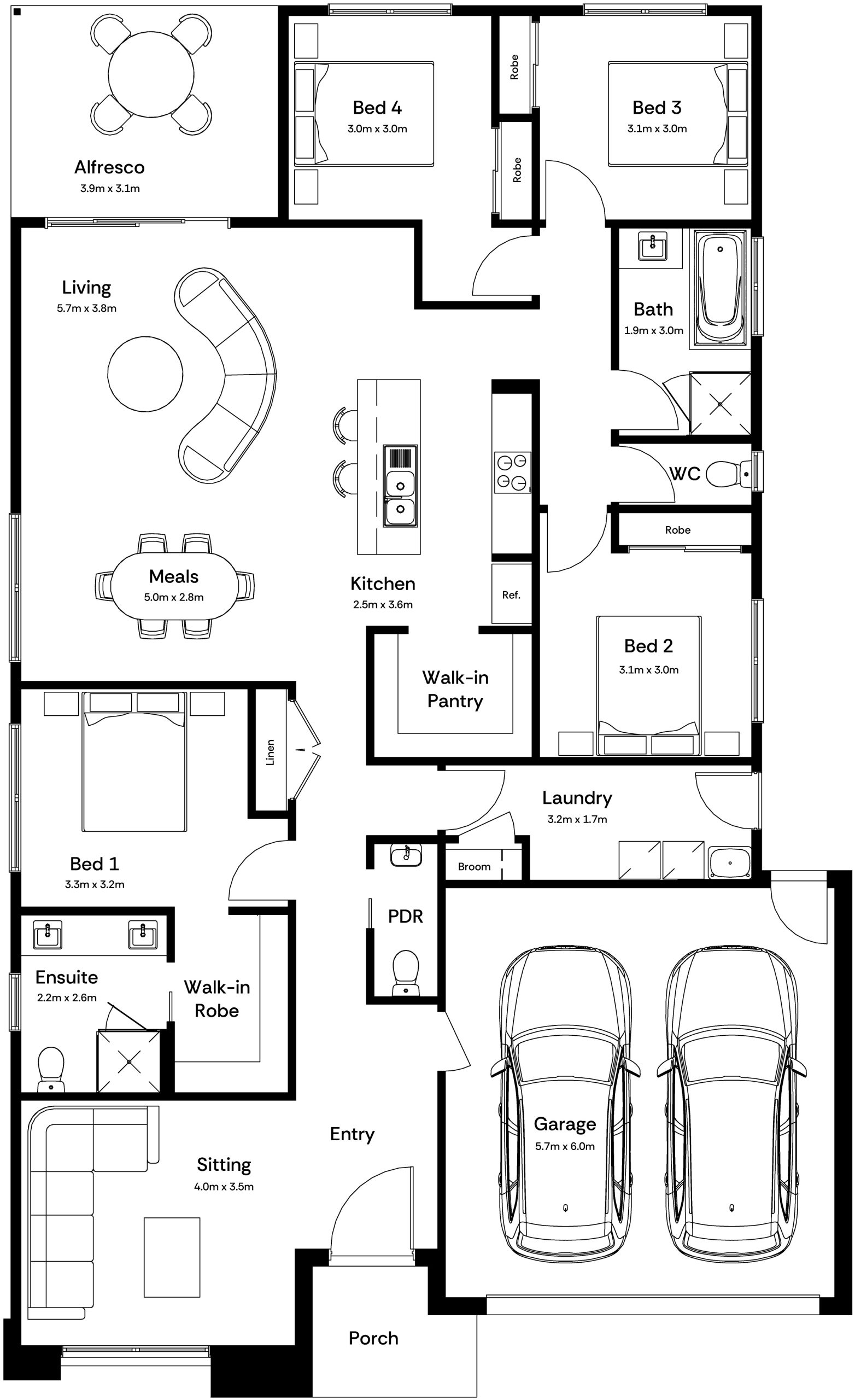
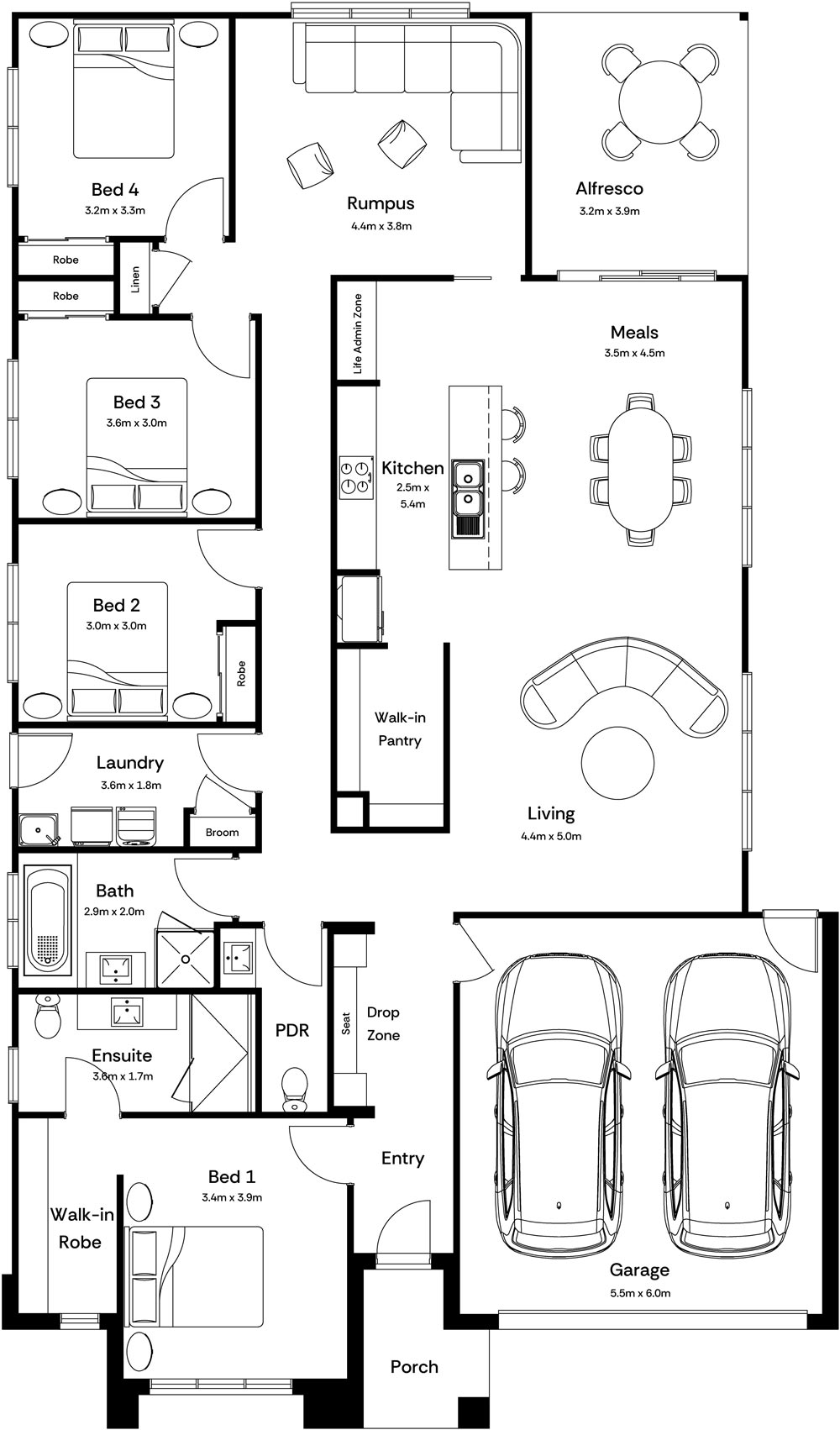
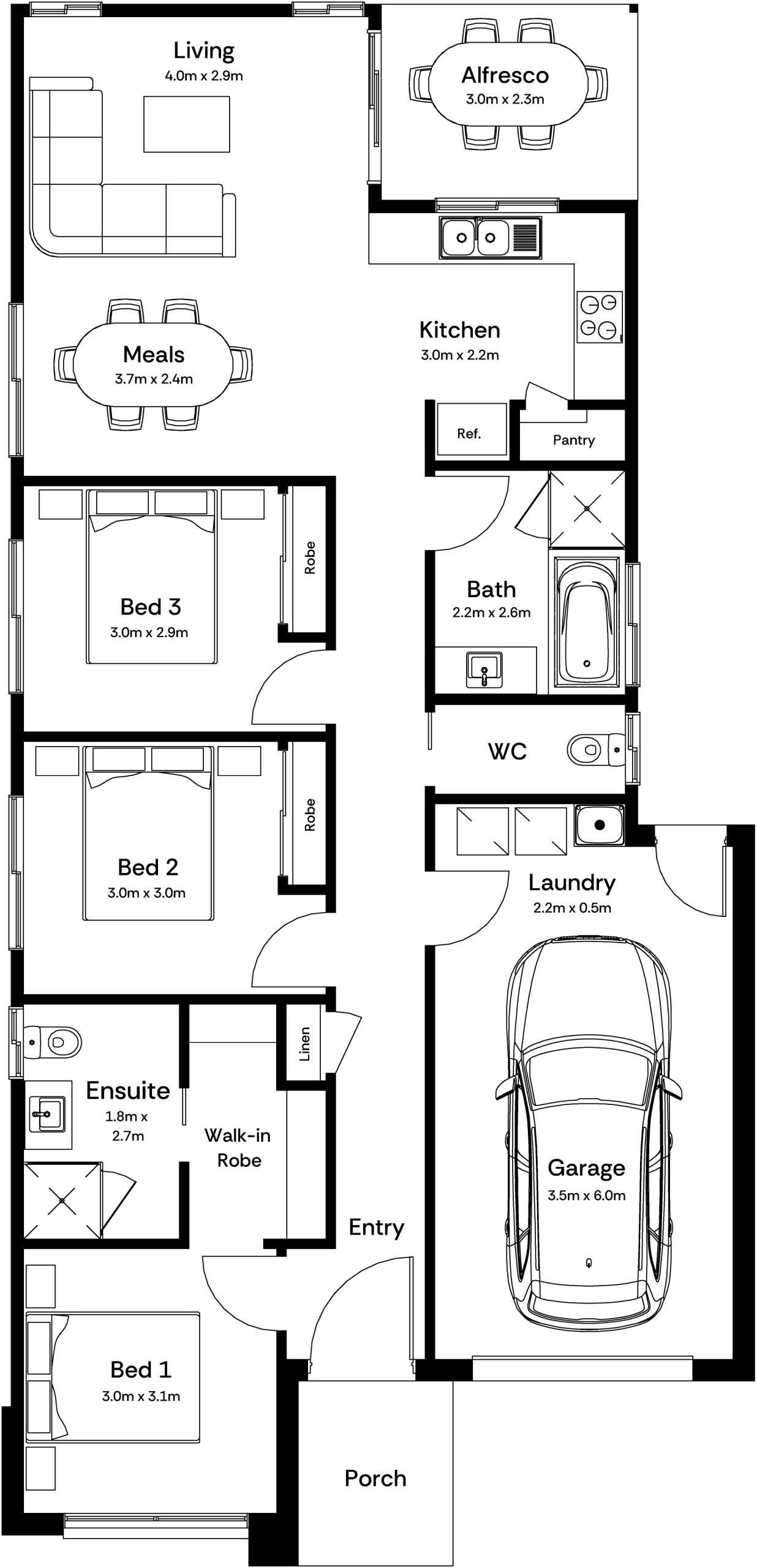
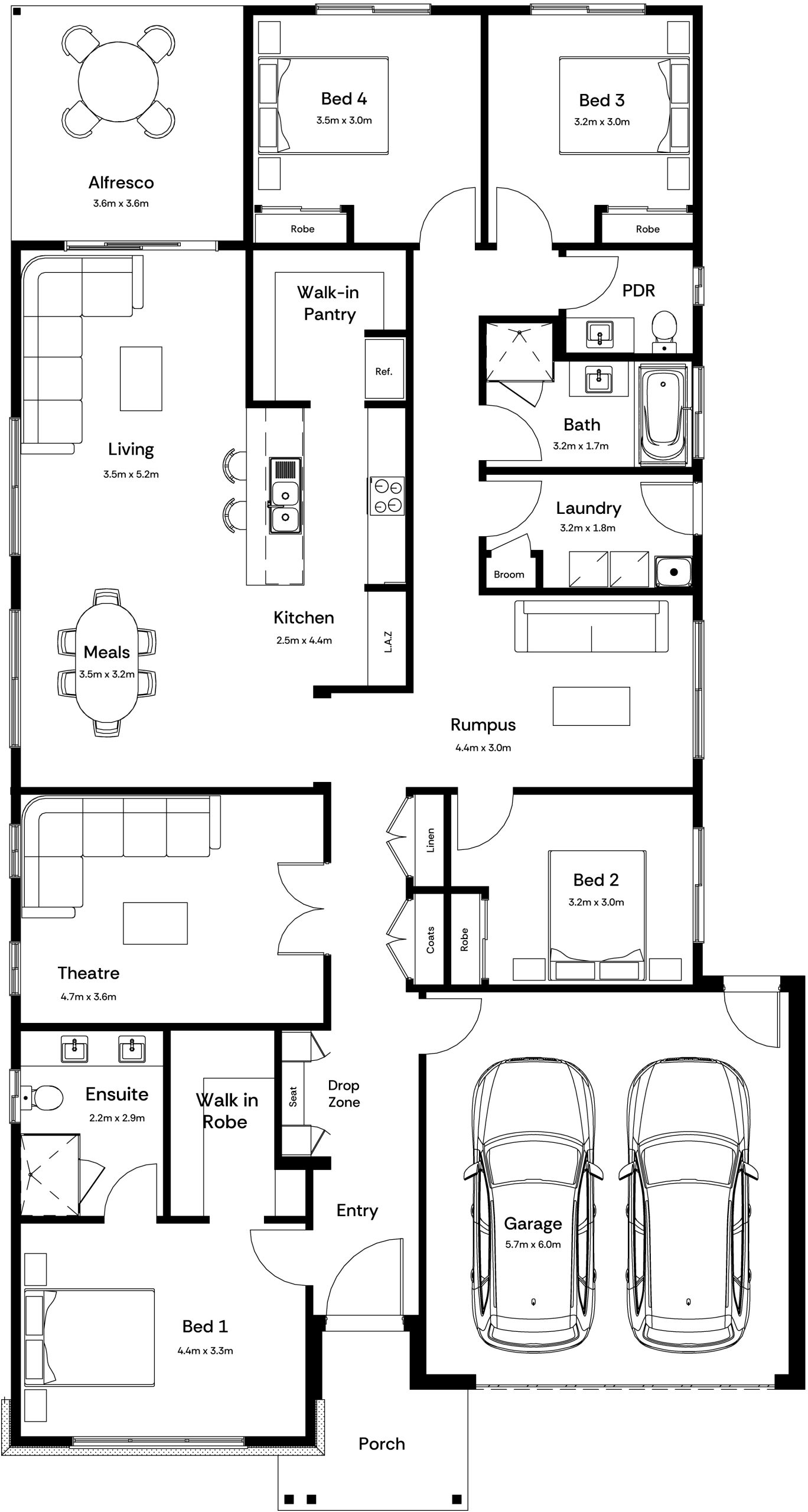
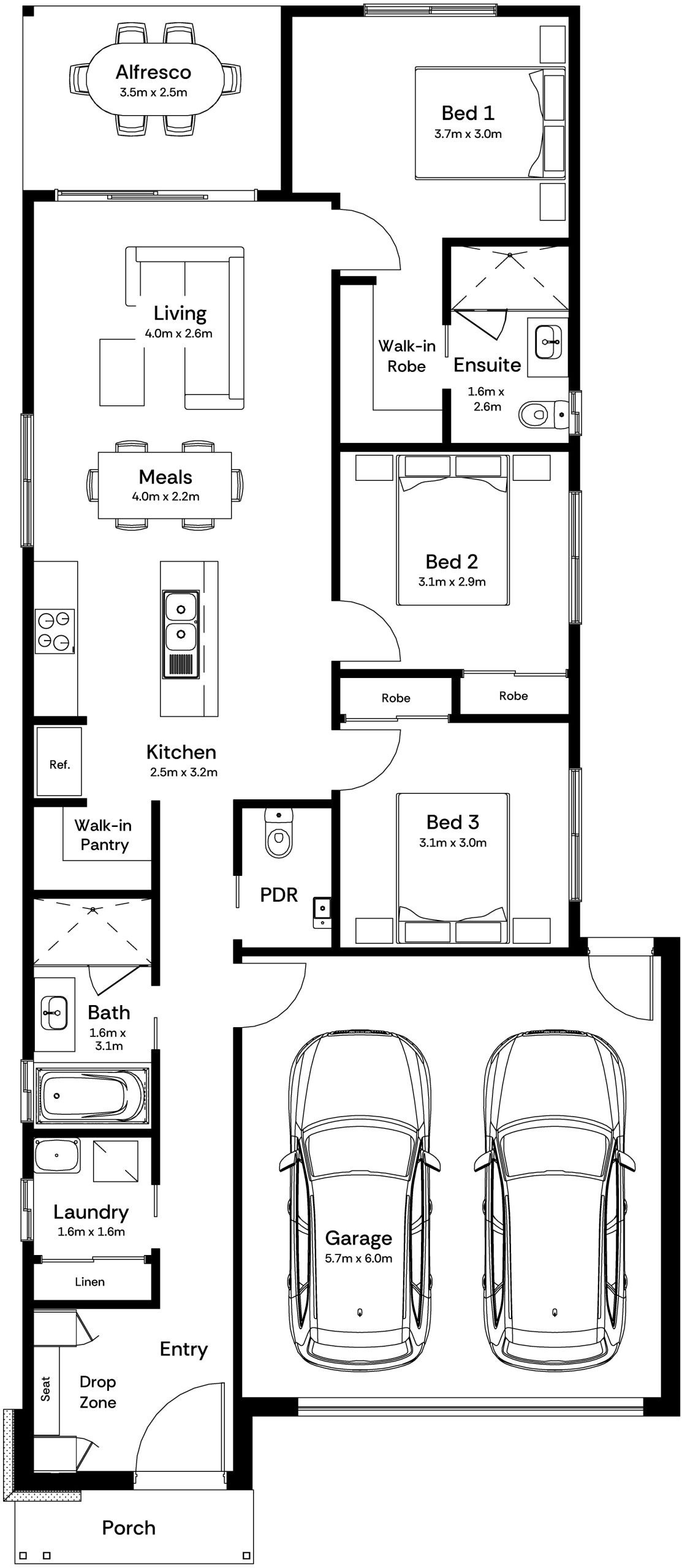
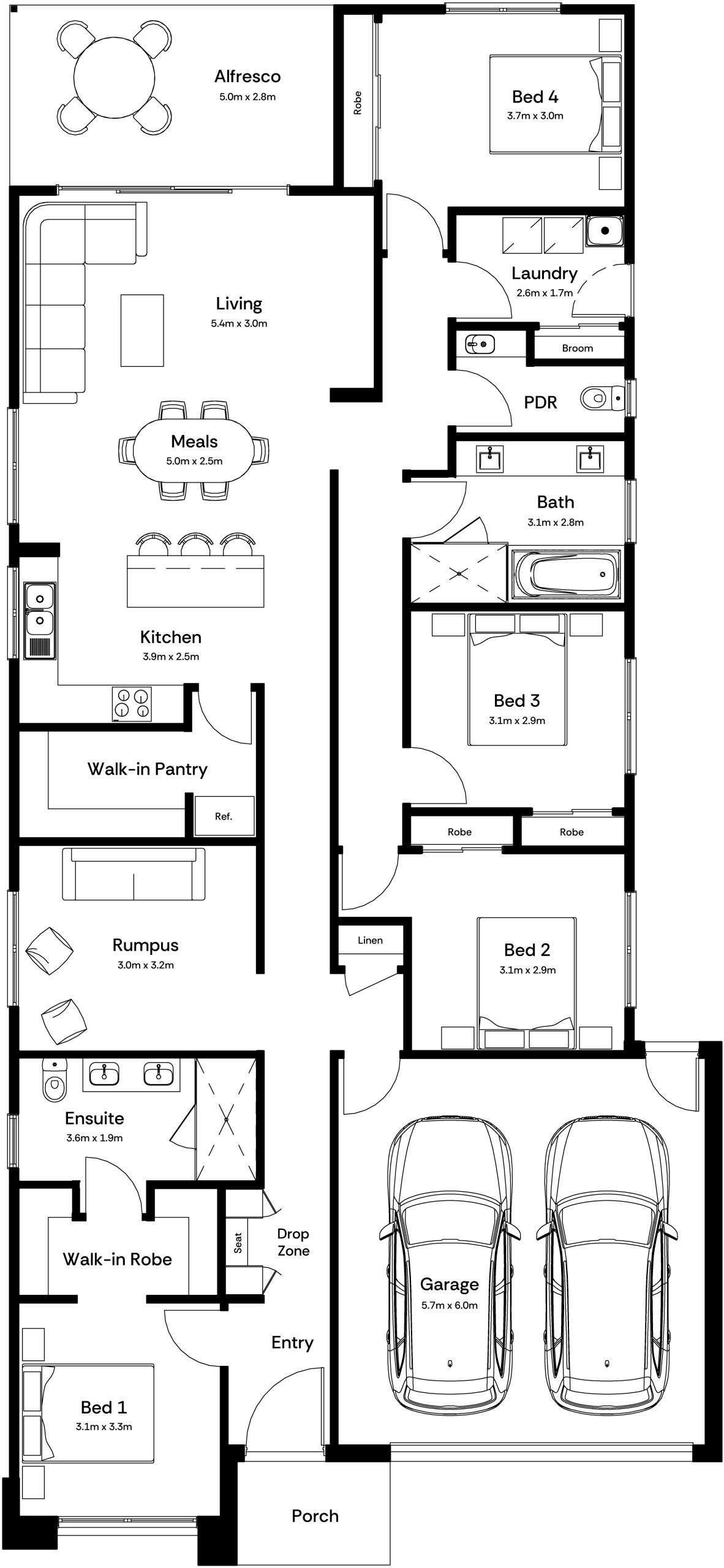
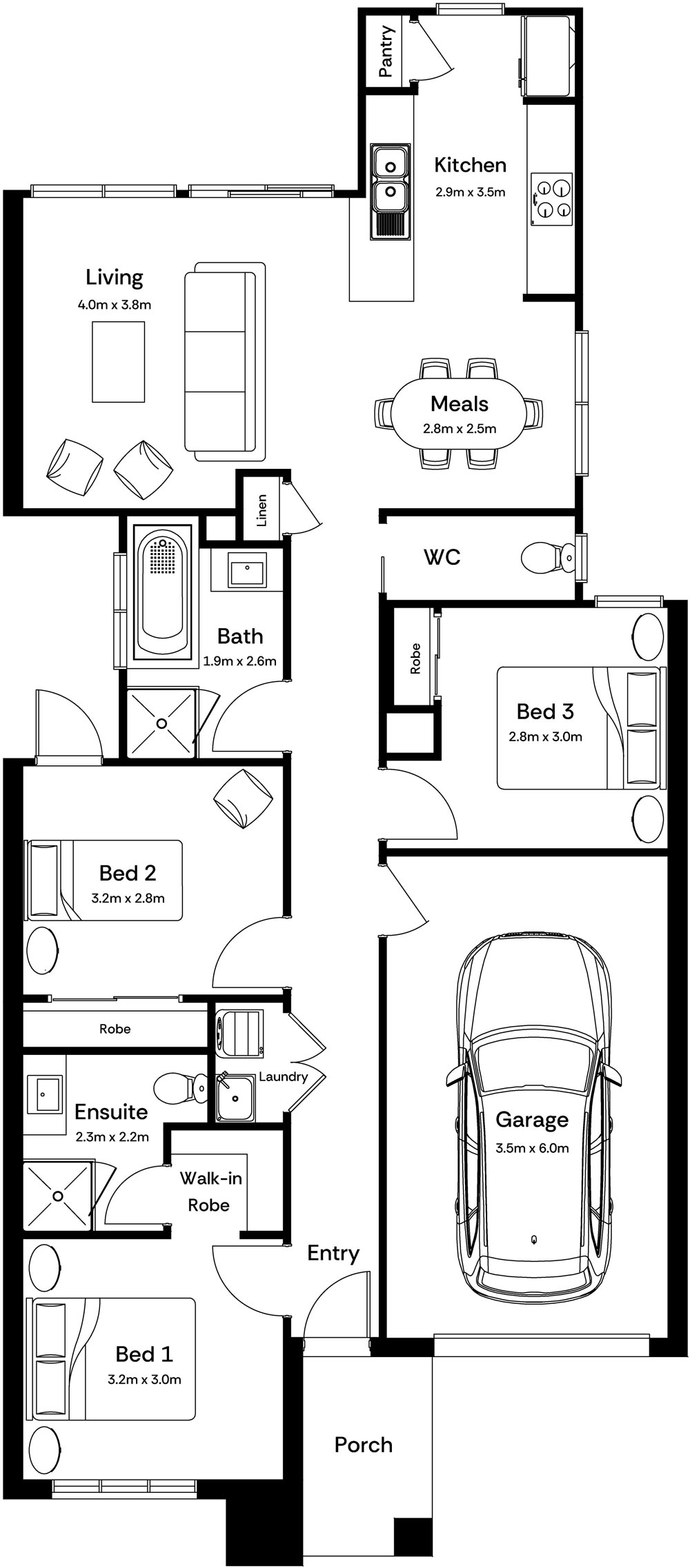
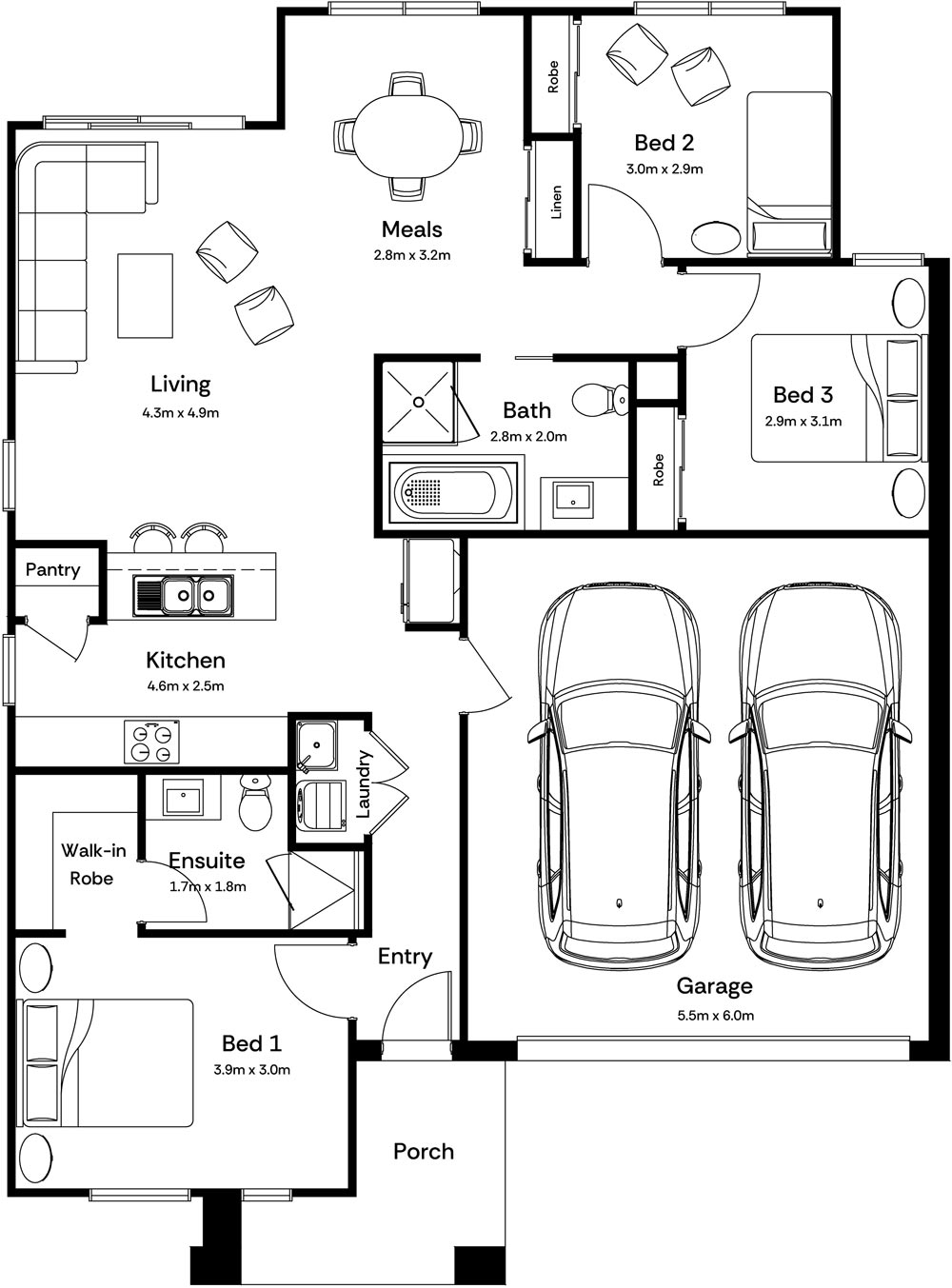
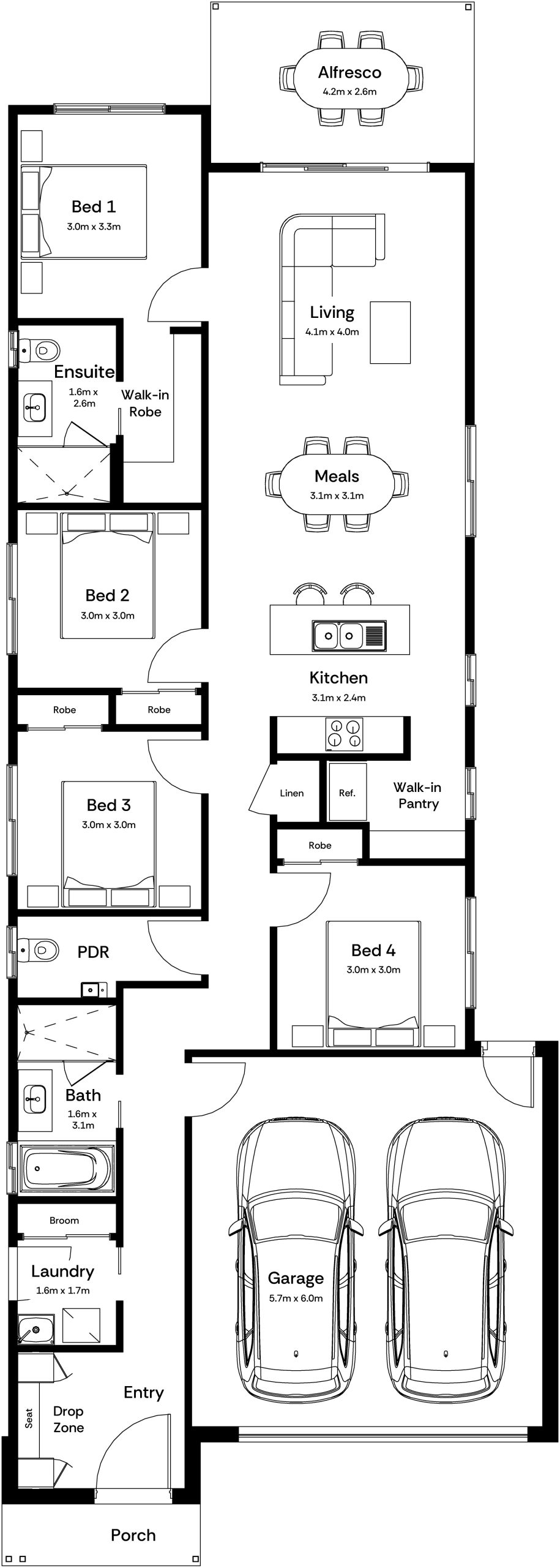
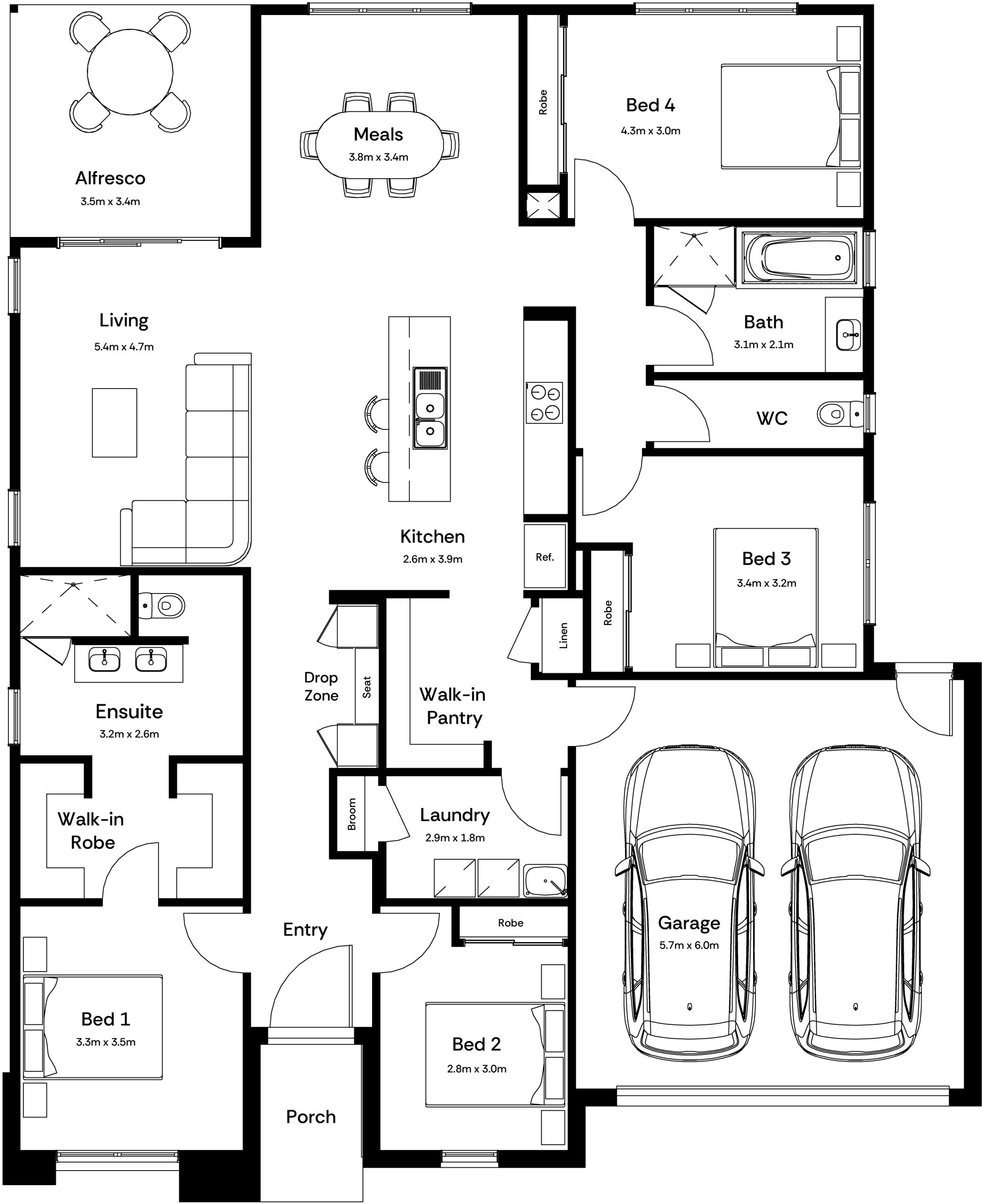
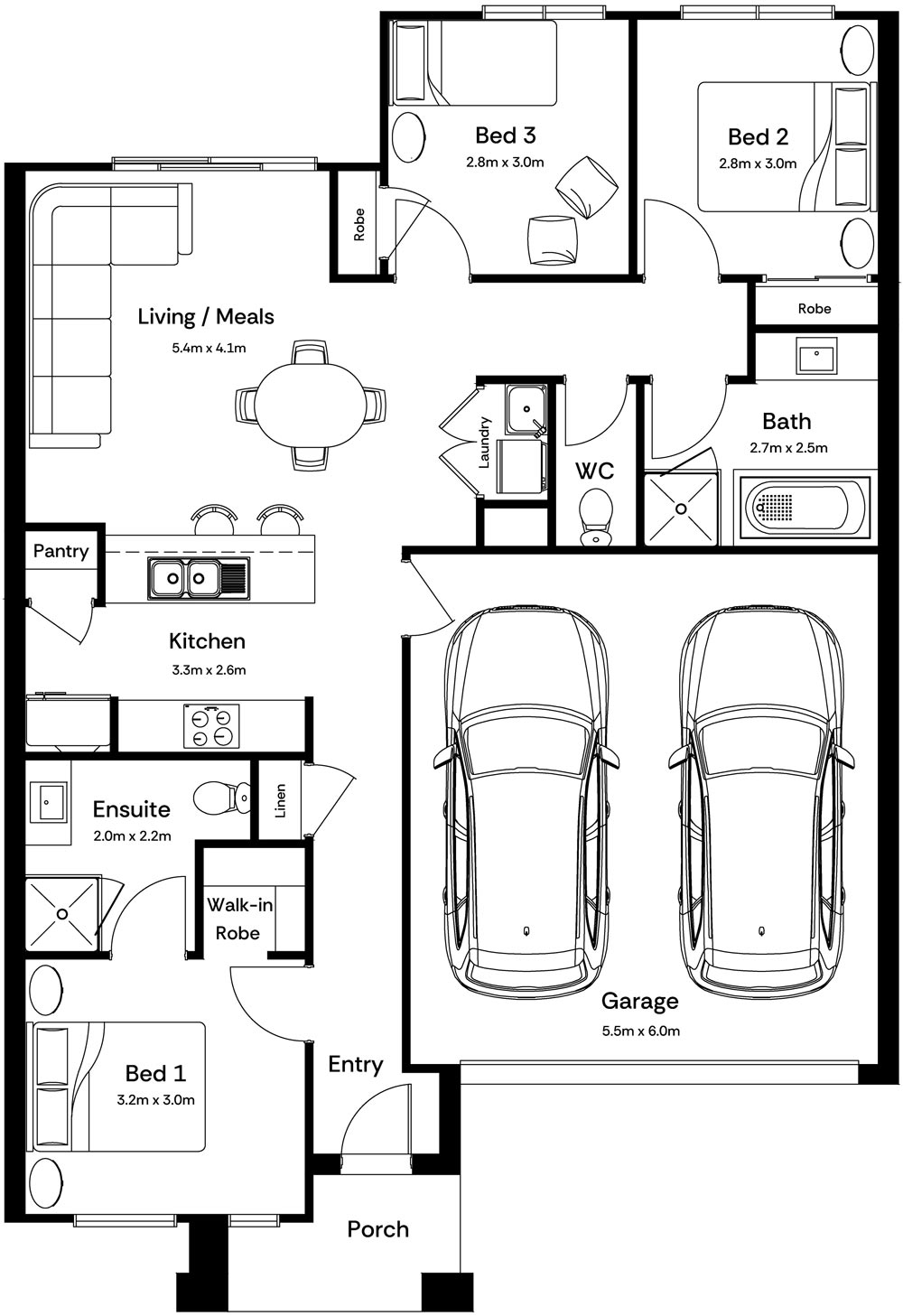
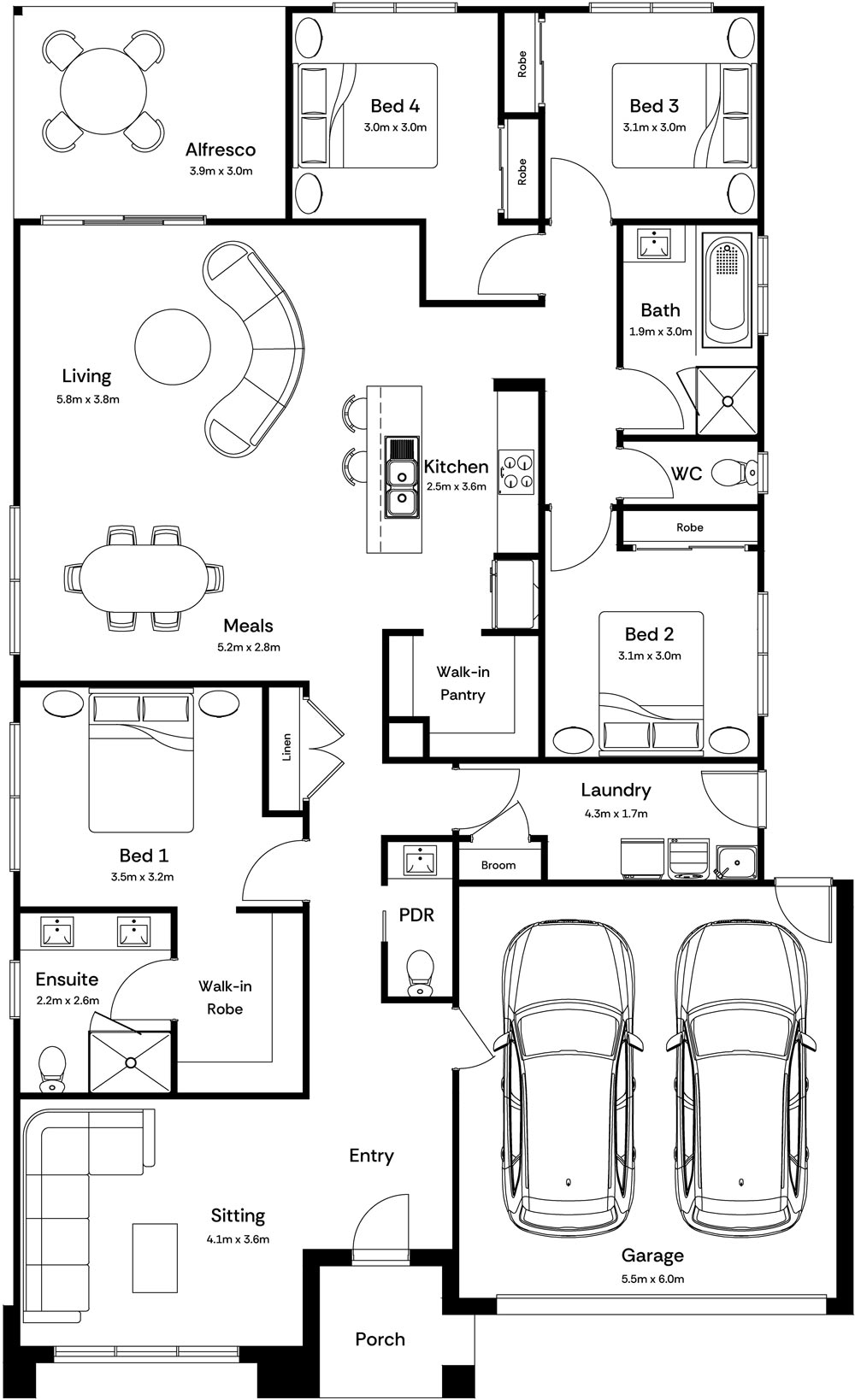
And if buying feels right but you’re not sure where to start, building new could be worth considering. For first home buyers, it can open the door to government support, modern inclusions, lower running costs and a home designed around the way you actually want to live.
For when you’re ready to build
If buying or building starts to look like the right move, that’s where we can help. Come and have a chat for honest advice from people genuinely on your team.
We work only with first home buyers, which means the questions you’re weighing, such as what a build actually costs, which grants apply, what’s included and what isn’t, are ones we answer every day.
And if the answer for now is to keep renting a while longer, that’s a sound decision too.
This article is general information to help you think the decision through. It isn’t financial advice, and individual circumstances differ. Grants, schemes and thresholds change over time, so confirm the current detail with theState Revenue Office, a licensed mortgage broker, or a financial adviser before making any decisions.